
Tools
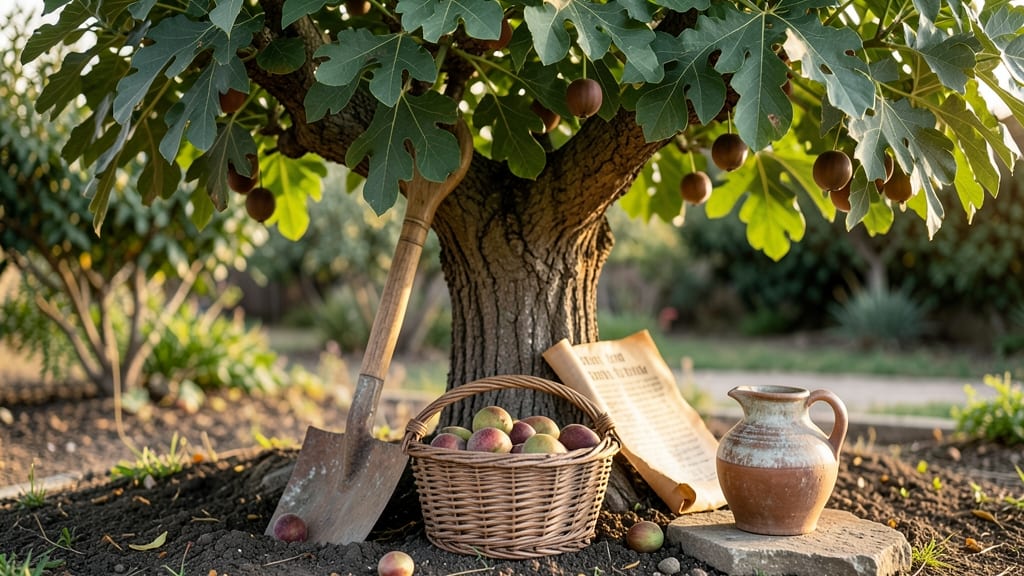
The garden in the Bible represents Eden, God's perfect creation where Adam and Eve lived in harmony with nature, surrounded by abundant vegetation, fruit-bearing trees, and the legendary Tree of Life—embodying divine provision and humanity's original relationship with the natural world.
The biblical garden of Eden serves as more than just a story—it's a foundational symbol of divine creation and human responsibility. 🌿 This lush paradise wasn't just a beautiful landscape but a carefully designed ecosystem where every plant and tree had purpose, from the Four Rivers that watered it to the forbidden fruit that tested humanity's obedience.
What makes Eden unique is how it reflects ancient horticultural knowledge combined with theological meaning, showing God's intention for humans to cultivate and care for the earth as stewards.
Beyond its symbolic role, Eden's description offers practical insights for modern gardeners. The diversity of plants and intentional design principles can inspire sustainable gardening practices today. Many permaculture techniques, like companion planting and water conservation, find their roots in the biblical concept of working with nature rather than against it.
Understanding Eden's purpose helps us see gardening not just as a hobby, but as an act of partnership with creation.
💡 In This Article
- Biblical Garden of Eden: Symbolism and Creation Details
- Gardening Lessons from Eden: How Biblical Gardens Inspire Modern Cultivation
Biblical garden of Eden: symbolism and creation details
The Garden of Eden wasn't just a physical place but a theological masterpiece designed to reflect God's perfect creation.
According to Genesis 2:8-9, it was planted eastward in Eden with every kind of tree pleasing to the eye and good for food—including the iconic Tree of Life, whose fruit symbolized eternal life and divine provision.
The garden's lush vegetation would have included fruit-bearing trees like figs and pomegranates, which were common in the ancient Near East, alongside aromatic plants like myrrh and frankincense that would have filled the air with intoxicating scents.
What makes Eden's design remarkable is its hydrological system: four rivers—Pishon, Gihon, Hiddekel (Tigris), and Euphrates—flowed from the garden to nourish the surrounding regions. The Pishon's description as "winding around Havilah" suggests it carried gold and precious stones, while Gihon likely flowed through Ethiopia.
These rivers weren't just water sources but life-giving arteries that sustained both the garden and the civilizations that would later emerge. The garden's location at the headwaters would have made it a fertile paradise with rich, volcanic soil perfect for cultivation.
The forbidden fruit's identity remains debated, but botanists suggest it may have been from the pomegranate family, which contains seeds symbolizing potential life (as seen in the story of Jonah).
The tree's placement at the garden's center created a visual focal point, emphasizing the boundary between divine provision and human choice. This deliberate design reflects ancient Near Eastern temple gardens, where sacred groves were carefully arranged to symbolize divine presence and order in creation.
Eden's purpose extended beyond beauty—it was a school of divine stewardship. The command to "work and keep" the garden (Genesis 2:15) established humanity's role as caretakers, not conquerors. This principle mirrors modern permaculture ethics, where ecosystems are designed to be self-sustaining.
The garden's abundance also demonstrated God's provision system: every need was met through natural processes, from the rivers to the fruit-bearing trees, showing how creation could sustain life without human exploitation.
What's often overlooked is Eden's sensory experience. The garden's description includes "every tree pleasing to the eye," suggesting vibrant colors from flowering plants and fruit trees.
The combination of running water, aromatic plants, and diverse vegetation would have created an intoxicating atmosphere—one that would have been both physically nourishing and spiritually uplifting. This sensory richness wasn't accidental; it was part of God's design to create an environment that would foster deep connection between humanity and creation.
The garden's symbolic significance extends to its role in biblical theology. Eden represents the original state of shalom (peace and wholeness) where humans lived in perfect relationship with God, each other, and nature.
This harmony was disrupted by sin, but the promise of restoration through Christ (Revelation 22:2) points back to Eden's vision—a renewed garden where the Tree of Life bears fruit again. This theological framework shows how biblical gardens aren't just historical accounts but living symbols of God's redemptive plan.