
Planting
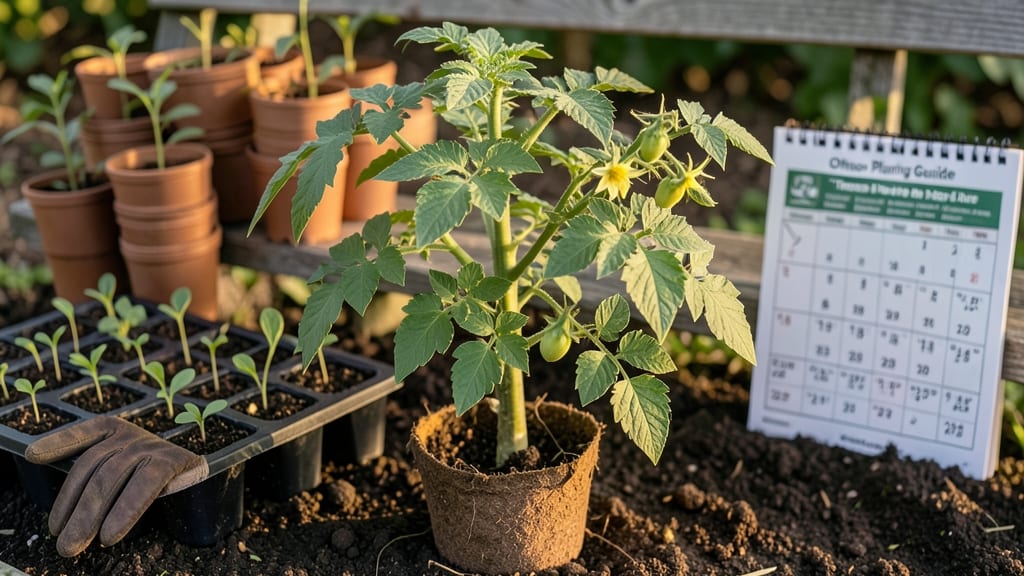
The best time to plant a garden in Ohio depends on your crop type, but late April to early May is the golden window for most vegetables and flowers—after the last frost and when soil warms up.
Ohio’s unpredictable climate can make timing your garden planting a real challenge—but getting it wrong could mean lost crops or wasted effort. Knowing the exact frost-free window for each plant type ensures your garden thrives, not just survives.
Cool-season crops like spinach and peas can go in as early as March, while tomatoes and peppers need to wait until soil temperatures hit 55°F+—usually mid-May. Even then, a late frost can still sneak in, so plan ahead.
Below, I break down Ohio’s frost dates by region, the ideal planting schedule for 20+ common crops, and 5 proven strategies to extend your growing season—so you can avoid common mistakes and maximize your harvest.
Ohio’s frost dates by region: when to plant cool vs warm-season crops
Ohio’s last spring frost and first fall frost dates vary dramatically by region, making precise planting timing essential. Northern Ohio (USDA Zones 5a-5b) faces earlier frosts than southern Ohio (Zones 6a-6b), with differences of 2-3 weeks between regions.
Understanding these windows helps you avoid frost damage to tender plants while maximizing yields for cool-season and warm-season crops.
For cool-season crops like spinach, peas, and lettuce, planting too early risks frost-killed seedlings, while waiting too long means bolting before harvest. Meanwhile, warm-season crops such as tomatoes, peppers, and cucumbers demand soil temperatures above 55°F to thrive.
Ohio’s frost-free growing season typically spans 150-200 days, depending on location—critical for planning succession plantings.
Northern Ohio (e.g., Cleveland, Toledo) usually sees its last spring frost around April 20-May 5, while southern Ohio (e.g., Cincinnati, Columbus) averages April 10-May 1. The first fall frost arrives October 15-November 1 in the north and October 30-November 15 in the south. These dates shift yearly, so always monitor local forecasts.
In northern Ohio, plant cool-season crops like kale and carrots in early spring (March 15-April 15) and again in late summer (August 1-September 15) for fall harvests. Warm-season crops such as tomatoes and peppers should wait until soil temperatures reach 60°F+, typically after May 15.
Use row covers or cold frames to push early plantings if needed.
For central Ohio, where frost dates are slightly later, you can start spinach and peas as early as March 1 under protective covers. Tomatoes and peppers thrive when transplanted after May 1, but consider starter plants in late April under cloches for a head start.
Southern Ohio’s longer season lets you plant cool-season crops like broccoli as early as February 20 and enjoy warm-season harvests until October 30.
Adjust for microclimates—southern exposures warm faster, while low-lying areas frost earlier. Test soil temperatures with a soil thermometer (aim for 55°F+ for warm-season crops) to avoid guessing. Succession planting every 2-3 weeks ensures continuous harvests, especially for lettuce and radishes, which bolt quickly in heat.
If a late frost threatens, use frost cloth or row covers to protect young plants. For warm-season crops, wait until nighttime temperatures stay above 50°F consistently. Peppers and eggplants, sensitive to cold, should never be planted before May 15 in northern Ohio—even with covers.
Track your local frost dates using resources like the Ohio State University Extension or Almanac’s Frost/Freeze Calculator. Historical data shows northern Ohio’s frost-free season averages 150 days, while southern Ohio enjoys 200+ days. Plan accordingly to maximize your garden’s potential!
Pro tip: Start warm-season seeds indoors 6-8 weeks before your region’s last frost date. This gives seedlings a head start and extends your harvest window. For example, tomato seedlings in northern Ohio should begin indoors by March 15 for transplanting in early May.
🌱
Best planting schedule for Ohio gardens: month-by-month crop guide
Timing your garden in Ohio means working with a short but sweet frost-free window—typically April through October—but knowing the exact months for each crop can mean the difference between a bountiful harvest and a sad salad.
Ohio’s USDA Zones 5–6 and microclimates (like urban heat islands) add extra layers, so I’ve broken down the best planting schedule by month to maximize your yield.
Start with cool-season crops like spinach and peas in early spring, then transition to warm-season favorites such as tomatoes and peppers once the soil warms. Succession planting—sowing new seeds every 2–3 weeks—keeps your garden productive all season.
For example, I plant lettuce twice in May and again in early July for a fall harvest.
- March–April: Plant cool-season crops (spinach, peas, kale) as soon as soil is workable (40°F+). Use row covers for early starts.
- May: Transplant tomatoes, peppers, and basil after last frost (mid-May in most of Ohio). Start succession plantings of lettuce and carrots.
- June–July: Sow beans, cucumbers, and squash. Harvest early cool-season crops (like radishes) and replant for fall.
- August: Plant fall broccoli, cabbage, and kale. Extend season with black plastic mulch to warm soil.
- September–October: Direct-sow garlic and onions for next year. Harvest warm-season crops before first frost (mid-October).
Ohio’s microclimates can shift planting dates by 1–2 weeks. For instance, southern Ohio (like Cincinnati) can plant tomatoes 2 weeks earlier than northern areas (like Cleveland). Always check your last frost date—I rely on the Old Farmer’s Almanac or local Cooperative Extension offices for updates.
Don’t forget herbs and flowers! Plant basil and marigolds in May, while rosemary and lavender thrive when planted in early spring or fall. These perennials reward patience with years of growth.
For succession planting, I mark my calendar for June 15 and July 15 to sow bush beans and zucchini—this ensures a steady supply before the heat of August.
Pro tip: Use black plastic mulch in early spring to warm soil 2–3 weeks faster than bare ground. This lets me plant peppers and eggplants in late April instead of waiting until May. Just remove it before July 1 to avoid overheating roots.
By following this schedule, you’ll avoid the common Ohio pitfalls—like bolting lettuce from heat or frost-damaged tomatoes. Happy planting! Your garden will thank you with abundant harvests all season long. 🌱