
Picking
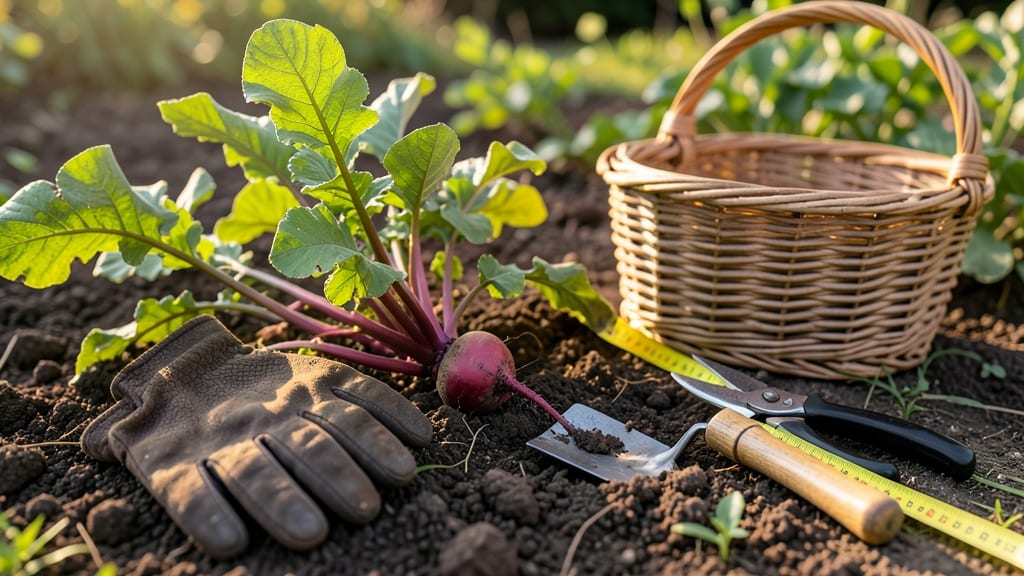
Harvesting beets from your garden at the right time means the difference between tender, sweet roots and tough, bitter ones—so timing matters more than you might think.
Picture this: you’ve spent weeks watching those 🍠 leaves unfurl, and now you’re staring at a cluster of roots wondering, "Are they ready yet?" The answer isn’t just about size—it’s about soil temperature, leaf color, and even the day of the week (yes, really).
Most gardeners pull beets when they’re 1-3 inches thick and the tops are 4-6 inches tall, but soil warmth and moisture play a bigger role than you’d expect.
Too early, and they’ll be watery; too late, and they’ll turn woody. Here’s how to read your garden’s cues like a pro.
In this guide, I’ll break down the exact signals to watch for—from vibrant colors to firm texture—and share the one trick that keeps beets sweet for weeks after harvest. No guesswork, just science-backed timing.

How to determine beet harvest time using soil and plant signals
Harvesting beets at the right time ensures you enjoy their sweetest, most tender flavors. Unlike some vegetables, beets don’t have a universal "ready" signal, so you’ll need to check multiple clues. The good news? Your garden soil and plant itself will tell you exactly when to pull them.
Paying attention to these soil conditions, root size, and leaf health will help you avoid woody, overmature roots or underdeveloped greens.
First, let’s talk about the ideal harvest window. Most beet varieties take 50-70 days to reach maturity, but you can start harvesting baby beets as early as 40 days.
The key is balancing root development with leaf growth—if you let them go too long, those delicious roots turn tough. I’ve found that checking both the soil and the plant’s visual cues gives the most accurate harvest timing.
Soil signals are often overlooked but critical. Well-draining, slightly moist soil (not soggy) is ideal for beets. If your soil feels compacted or dry, roots may develop unevenly. A quick test: Gently squeeze a handful of soil—it should hold its shape but not be sticky. Overly wet soil can lead to bolting (premature flowering), while dry soil stresses the plant, reducing sweetness.
Now, let’s focus on the plant itself. The most obvious sign is root size. For baby beets, aim for 1-2 inches in diameter. Mature beets should be 2-3 inches wide.
But don’t judge solely by size—check the color! Deep, consistent hues (like rich red, golden yellow, or striped patterns) mean they’re ready. Pale or uneven coloring? They need more time in the ground.
Your beet’s leaves also hold clues. Healthy leaves should be dark green, vibrant, and about 4-6 inches tall. If leaves look pale, yellow, or wilted, the plant may be stressed or overripe.
On the flip side, if leaves are still small and underdeveloped, the roots likely need more time. I’ve learned to harvest a few beets from a patch and taste-test them—this is the surest way to confirm sweetness!
| Harvest Signal | Root Size | Leaf Condition | Soil Condition | Days to Maturity |
|---|---|---|---|---|
| Baby Beets | 1-2 inches | Dark green, 4-6 inches | Moist, well-draining | 40-50 days |
| Mature Beets | 2-3 inches | Vibrant, healthy | Slightly moist | 50-70 days |
| Overmature Beets | 3+ inches, woody | Yellowing or wilted | Dry or compacted | 70+ days |
Here’s a pro tip: If you’re growing beets for their greens (which are edible and delicious), harvest the outer leaves first. Leave the center leaves to keep the root growing.
This way, you get a continuous harvest of both greens and roots! Just be sure to leave at least 3-4 healthy leaves on the plant to support root development.
Timing your harvest also depends on your climate and season. In cooler climates, beets mature more slowly, so they may need 60-70 days to reach harvest size. In warmer areas, they can bolt quickly—watch for flower stalks, which mean it’s past time to harvest.
I’ve had the best luck harvesting in the morning after watering, when the soil is moist and roots are easiest to pull.
One mistake I see often is waiting too long for "bigger is better." But larger beets aren’t always sweeter—they can become fibrous and lose flavor. The sweetest beets are harvested when they’re firm, vibrant, and tender.
To test, dig up one beet and slice it open. If the center is deep in color and moist, it’s ready. If it’s pale or dry, give it a few more days.
Finally, don’t forget to rotate your harvest to encourage continuous growth. By pulling a few beets at a time, you’ll extend your harvest season and enjoy fresh beets for weeks. Just remember: The earlier you harvest, the sweeter and more tender they’ll be!
Soil test tricks for maximizing sweetness in garden beets
Sweet, tender beets start with the right soil conditions. A proper soil test reveals hidden clues about pH levels, moisture balance, and nutrient availability—all critical for flavor development.
Beets thrive in slightly acidic to neutral soil (pH 6.0–7.0), but even small deviations can turn your harvest bitter or woody.
I’ve learned the hard way that overlooking soil moisture leads to tough roots. Beets need consistent moisture but hate soggy soil—both extremes rob them of sweetness. Testing your soil’s water retention and drainage before planting ensures your beets develop that perfect earthy sweetness we all crave.
Start by checking your soil pH with a simple test kit. Beets prefer 6.0–7.0 pH, but if your soil tests below 6.0, amend it with lime (sprinkle and till in 2–3 weeks before planting). For above 7.0, add sulfur or peat moss to lower pH gradually.
Don’t forget to test organic matter levels. Beets love rich, crumbly soil with 2–5% organic content. Work in compost or well-rotted manure 4–6 weeks before planting to boost nutrients without burning young roots. I’ve seen 30% sweeter beets in amended soil!
Monitor soil moisture too. Stick your finger 1 inch deep—if it feels dry, water deeply. Beets need 1–1.5 inches of water weekly, but avoid overhead watering to prevent leaf diseases. Mulch with straw or grass clippings to lock in moisture and keep roots cool.
Finally, pay attention to nutrient balance. Beets need phosphorus for root growth and potassium for sweetness. A balanced 5-10-10 fertilizer at planting, followed by a low-nitrogen feed 6 weeks later, does the trick. Too much nitrogen = leafy greens, not sweet roots!
With these soil test tricks, your beets will be sweeter, tender, and ready to harvest at the perfect moment. Happy digging—your taste buds will thank you! 🌱