
Planting
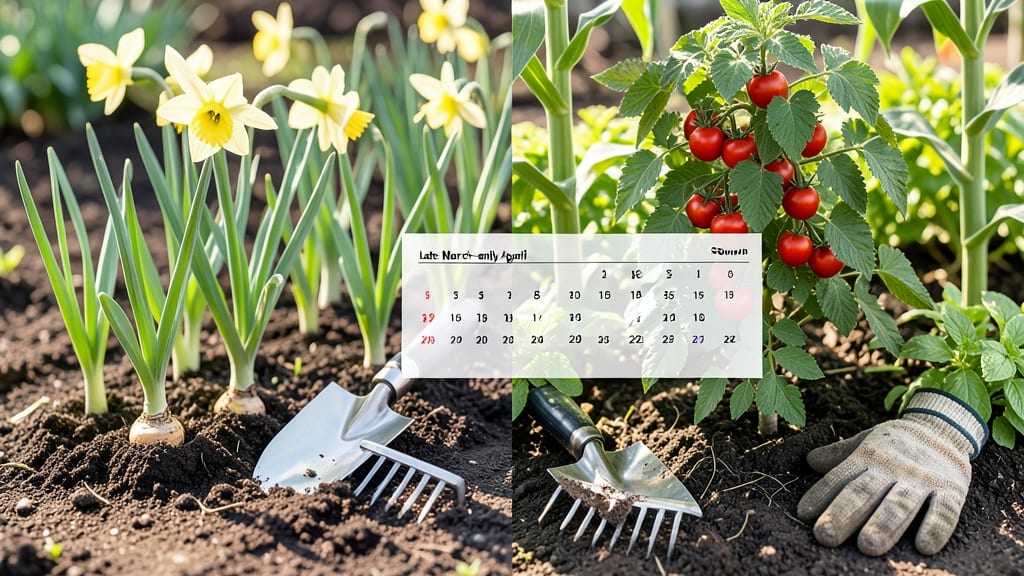
Planting a garden in Washington, DC, means timing your 🌱 crops carefully to beat the Zone 7B frost dates—and missing the window can turn your hard work into a sad, wilted mess.
With last frosts creeping into mid-April and first frosts arriving by early November, knowing exactly when to start seeds indoors or transplant seedlings is the difference between a bountiful harvest and a total flop.
Urban heat islands in the city can even push those dates a few weeks earlier, so local adjustments matter.
Whether you’re sowing cool-loving greens in early spring or racing to plant tomatoes before summer’s heat sets in, this guide breaks down the best months for every crop—plus how to stretch your season with row covers and smart succession planting.
You’ll learn the exact frost-free window for DC’s climate, when to start seeds indoors, and how to handle those tricky late-spring surprises that leave gardeners scrambling. No more guesswork—just a foolproof schedule for a garden that thrives.
Washington DC frost dates & last/first frost averages for zone 7B garden planning
Understanding Washington DC frost dates is the foundation of successful gardening in USDA Zone 7B. The last spring frost typically arrives around April 15, while the first fall frost usually hits by November 1.
These dates give you a 165-day growing season, but microclimates in the DMV can shift these windows by 1-2 weeks—especially in urban areas like Capitol Hill or near the Potomac River.
For cool-season crops like kale, spinach, and peas, I always plant 4-6 weeks before the last frost—around March 15. Warm-season favorites such as tomatoes, peppers, and beans need to wait until after April 15 when soil temperatures hit 60°F.
Fall planting for these crops should start by August 1 to ensure harvest before frost.
Microclimates matter in DC! Areas near the Anacostia River or Rock Creek Park tend to warm up faster in spring, while urban heat islands in neighborhoods like Navy Yard can delay fall frosts by up to 10 days. Use these local variations to your advantage—plant heat-loving crops earlier in warm microclimates or extend your fall harvest with row covers.
To maximize your growing season, I recommend using row covers or cold frames to protect tender plants. These tools can push your last spring frost date back by 2-3 weeks and extend your first fall frost by 4 weeks.
For example, I’ve successfully grown basil and lettuce through late October using floating row covers.
For heat-loving plants like tomatoes and peppers, I always check soil temperatures with a soil thermometer—they need to stay above 60°F for 2 weeks before planting. If your soil is slow to warm, try black plastic mulch or straw bales to speed up the process.
I’ve seen 2-3 week differences in soil warming between shaded and sunny spots in my backyard garden.
Don’t forget about fall planting strategies! By starting cool-season crops in late July or early August, you can harvest spinach and radishes before the first frost. Use lightweight row covers to protect young seedlings from unexpected October frosts, which aren’t uncommon in DC’s unpredictable climate.
If you’re new to Zone 7B gardening, I recommend keeping a gardening journal to track your local frost dates. Over 3-5 years, you’ll notice patterns—like how Capitol Hill tends to have earlier springs than Southern Maryland.
This local data will help you fine-tune your planting schedule for maximum success.
For container gardening on patios or balconies, remember that pots warm up and cool down faster than in-ground soil. This means you may need to plant warm-season crops 1-2 weeks later and move containers to sheltered spots before the first frost. I’ve used
Best months to plant vegetables in Washington DC: a month-by-month guide
Washington DC’s Zone 7B climate offers a unique two-season planting window—spring and fall—that’s perfect for growing everything from crisp lettuce to juicy tomatoes. Unlike colder regions, DC’s mild winters and long summers let you plant cool-season crops early and extend harvests into autumn.
But timing is everything: plant too early, and frost will kill tender seedlings; too late, and summer heat will stress your veggies.
My go-to strategy is dividing plants into three categories: cool-season champions, warm-season stars, and year-round greens. Each has its own ideal window, and I’ll walk you through exactly when to plant in DC—plus how to avoid common mistakes like overcrowding or skipping succession plantings. Let’s dig in!
🌱 Your DC Planting Calendar: Month-by-Month
- March: Start cool-season crops indoors (spinach, kale, peas) and hardy greens outdoors (lettuce, arugula). Soil temps should hit 40°F+.
- April: Plant peas, radishes, and broccoli outdoors as soon as soil is workable. Transplant seedlings of kale and cabbage after last frost (usually mid-April).
- May: Warm up the soil with black plastic mulch before planting tomatoes, peppers, and beans. Wait until nighttime temps stay above 50°F.
- June: Succession plant heat-loving crops like okra, sweet potatoes, and cucumbers. Direct-sow beans every 2 weeks for continuous harvests.
- July: Start fall crops indoors (broccoli, cabbage) and plant fast-growing greens outdoors (lettuce, spinach) for a late-summer harvest.
- August: Transplant fall seedlings outdoors and sow more beans and peas. Extend season with row covers for cool crops.
- September: Plant garlic and onions for next year. Harvest warm-season crops (tomatoes, peppers) before frost hits.
Pro tip: Use succession planting to keep your garden productive. For example, sow lettuce every 2 weeks from April to September so you’re always harvesting fresh leaves. I’ve even grown tomatoes in August by using shade cloth during heatwaves—just water deeply and mulch heavily to retain moisture.
One common mistake DC gardeners make is planting warm-season crops too early. Tomatoes and peppers hate cold soil, so wait until soil temps reach 60°F (use a soil thermometer to check!). I’ve seen seedlings rot when planted in 50°F soil—don’t let that happen to you!
For year-round greens like herbs (basil, cilantro) and leafy greens, I plant in both spring and fall.
Basil thrives in summer heat, while cilantro bolts in July, so I plant it again in September for a cool-weather harvest. Herbs are my secret weapon for keeping the garden productive year-round.
Remember: DC’s urban heat islands can make microclimates 5–10°F warmer than rural areas. If you’re in a concrete-heavy neighborhood, plant heat-sensitive crops like lettuce 1–2 weeks later than the average dates. And always check your local frost dates—they can vary yearly!