
Light Requirements
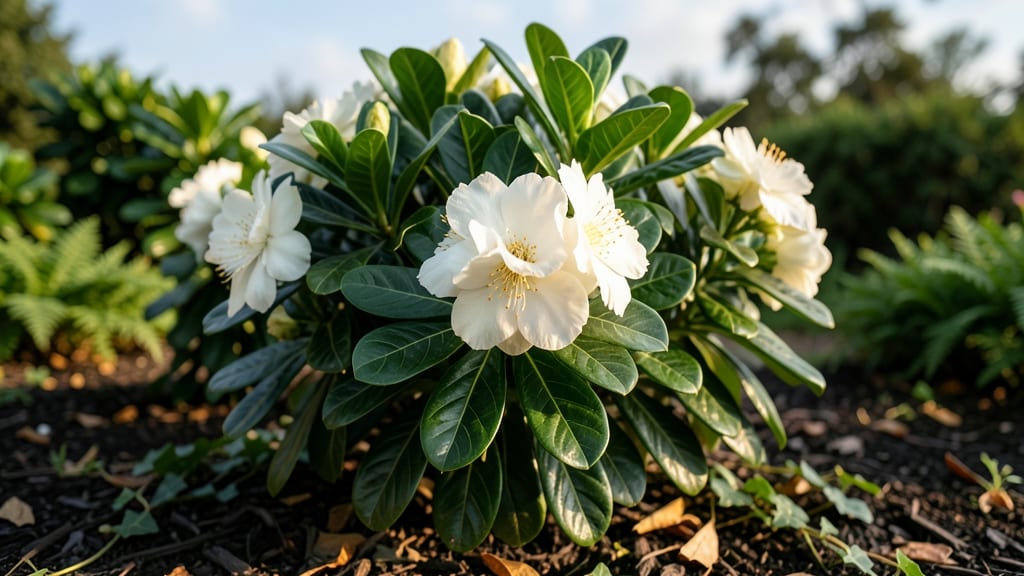
The August Beauty Gardenia’s sun requirements are all about striking the perfect balance—morning sun and afternoon shade—to coax out its showstopping blooms 🌸. Getting this right is the secret to avoiding sunburned leaves and keeping those petals lush and vibrant.
Picture this: your August Beauty Gardenia sits in what seems like the ideal spot, but by midday, the leaves start curling, and the buds refuse to open. That’s your plant’s way of signaling it needs protection from the harsh afternoon rays.
Too much direct sun turns its delicate petals crispy, while too little light leaves you with sparse, lackluster blooms.
Most gardeners assume gardenias need full sun, but the truth is, they’re tropical shrubs that thrive under the dappled light of their native forests. In USDA Zone 9b, where they flourish, the magic happens with morning sunlight to fuel growth—followed by afternoon shade to shield their sensitive foliage.
In this guide, I’ll walk you through the exact sun schedule your August Beauty Gardenia needs, how to tweak it for your local climate, and the telltale signs that you’ve nailed the balance for continuous, vibrant blooms all season.

Optimal morning sun vs. afternoon shade schedule for August Beauty Gardenias
The August Beauty Gardenia thrives on a delicate balance of morning sun and afternoon shade. Unlike many tropical plants, it can't handle the intense afternoon sun that often leads to sunburned leaves and dropped buds.
Let's break down the perfect schedule to keep your gardenia blooming beautifully all season.
In ideal conditions, your August Beauty Gardenia should receive 3-4 hours of morning sun (between 6 AM and 10 AM). This gentle sunlight helps kickstart photosynthesis without overheating the plant. The key is transitioning to dappled shade or filtered light by midday when temperatures rise.
Here's where many gardeners go wrong—they assume "partial shade" means all-day indirect light. For August Beauty Gardenias, this can actually be worse than full sun.
The plant needs that cooling afternoon break to prevent leaf scorch and bud drop. Think of it like giving your plant a midday siesta.
Now let's look at how these requirements vary by climate zone. The comparison table below shows the ideal sun exposure schedule for different growing conditions, from humid subtropical to arid desert climates.
Notice how the hot/dry desert zone requires more afternoon shade? This is because the intense afternoon sun in these areas can raise leaf temperatures to dangerous levels. The August Beauty Gardenia native to tropical forests is accustomed to gentle morning light and filtered afternoon shade from taller trees.
If you notice yellowing leaves or crispy edges on your gardenia, these are classic signs of sun stress. The edges will first turn brown and crispy, while leaves may develop a bleached appearance in severe cases.
To fix this, immediately move your plant to a shadier spot and increase afternoon shade coverage to 50-70% if possible.
For potted August Beauty Gardenias, you have more flexibility to adjust their position. Simply rotate the pot every few weeks to ensure even light exposure all around the plant.
If your gardenia is planted in the ground, consider installing a retractable shade sail or planting nearby tall shrubs like Japanese holly or camellias to provide natural afternoon shade.
Pro tip: Pay attention to your gardenia's flower buds. If they're forming but then dropping off, this is often a sign of heat stress from too much afternoon sun.
The plant is essentially saying, "I can't handle this heat!" In this case, increase shade coverage immediately to save your blooms.
Remember that August Beauty Gardenias are tropical plants at heart. They thrive in conditions that mimic their natural understory habitat—where they receive bright morning light but are protected from the harsh midday sun by taller trees.
Recreating this environment in your garden will reward you with vibrant blooms and lush foliage all season long. 🌸
How to adjust sunlight for August Beauty Gardenias in different climates
Your August Beauty Gardenia thrives on partial shade, but the exact balance shifts dramatically depending on where you live. In hot, dry climates like Arizona or Nevada, afternoon sun can turn leaves crispy within hours, while in humid zones like Florida, too much shade stunts blooms.
The key is adapting your approach to match your local climate—without guessing.
Start by observing your garden’s microclimates. A spot near a west-facing wall might get brutal afternoon heat, while an east-facing area offers gentle morning light. Even within the same yard, these differences can mean the difference between vibrant blooms and struggling foliage.
I’ve learned this the hard way—my first gardenia nearly died in a desert-like summer until I moved it under a 30% shade cloth.
⚠️ WARNING: August Beauty Gardenias HATE Afternoon Sun in Hot Climates Too much direct sun—especially between 12 PM and 4 PM—can cause leaf scorch and bud drop. In USDA Zones 8-10, afternoon shade is non-negotiable.
Even in cooler zones, harsh midday rays stress the plant, reducing bloom quality. If your gardenia’s leaves look yellow or brown at the edges, it’s begging for more shade. For desert gardeners, 50% shade cloth in peak summer (June-August) is a lifesaver.
For humid climates like Florida or Louisiana, the challenge is different. Too much shade leads to leggy growth and fewer blooms. Here, aim for 3-4 hours of morning sun and dappled shade the rest of the day.
Plant near large trees with open canopies (like oak or magnolia) to filter light without blocking airflow. I once saw a gardenia in Miami thrive under a palm tree’s partial shade—the breeze kept humidity in check, and the blooms stayed lush.
In transitional climates (like the Pacific Northwest or Appalachia), adjust seasonally. During summer months, provide afternoon shade, but in early fall, you can gradually increase sun exposure to 6 hours total as temperatures drop.
My gardenia in Zone 7 blooms best when I move it under a lightweight shade sail in July but leave it in full morning sun by September.
Don’t overlook seasonal adjustments. In peak summer, even a gardenia loving morning sun may need protection by noon. Use reflective mulch (like white gravel) to reduce heat radiating from the soil. For potted gardenias, move them to shadier spots during heatwaves—containers heat up faster than in-ground plants.
I keep mine on a porch with afternoon shade during August, and the difference in bloom quality is night and day.
Pro tip: Test your spot with a sunlight tracker for a week. Place a white piece of paper near your gardenia every hour—if it gets hot to the touch by 2 PM, your plant needs more shade.
For desert gardeners, 30-50% shade cloth is ideal; in humid areas, 20-30% cloth suffices. And always water deeply in the morning to prevent stress from heat or humidity.