
Fertilization
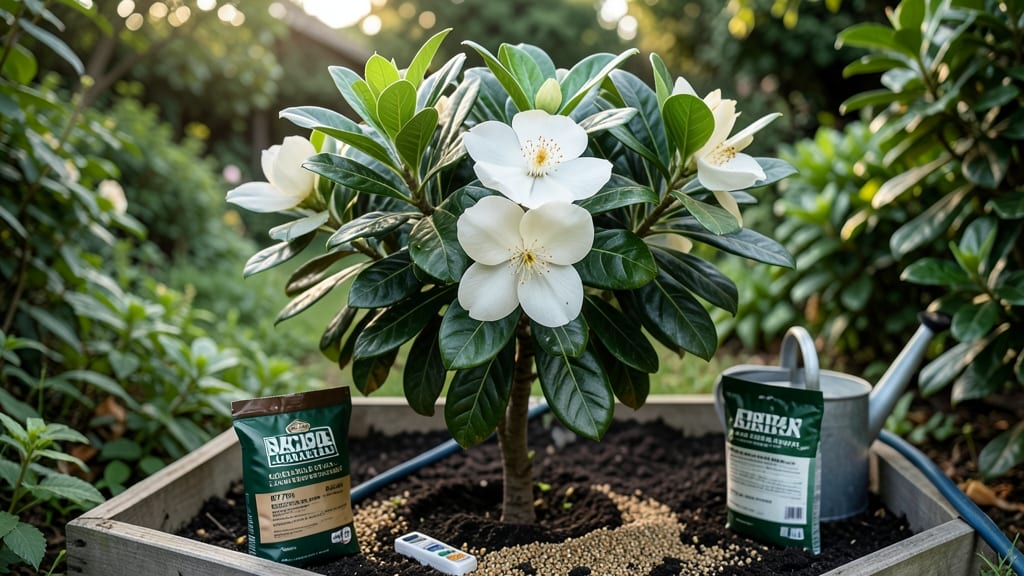
To fertilize gardenias properly, aim for every 4–6 weeks during their active growing season—spring through early fall—using an acidic formula that matches their soil needs.
Gardenias are prized for their intoxicating fragrance and glossy foliage—but without the right fertilization schedule, their blooms can fade faster than a summer sunset. Mastering the perfect timing and type of fertilizer is the secret to keeping your gardenias lush, blooming, and thriving year-round.
Most gardeners overlook the seasonal shift in feeding needs: a light touch in spring, regular doses in summer, and a taper-off in fall. Using the wrong fertilizer—like alkaline blends—can turn your 🌸 leaves yellow overnight, while overdoing it in winter stresses roots.
I’ll show you how to sync feeding with growth cycles for maximum impact.
You’ll also discover the best acidic fertilizer types (organic and synthetic), how to spot nutrient deficiencies early, and when to pause feeding entirely. By the end, you’ll have a year-round plan that keeps your gardenias perfuming your garden from spring to fall.

Optimal gardenia fertilization schedule by season (with acidic fertilizer types)
Gardenias thrive when you match their fertilization needs to seasonal growth cycles. These acid-loving shrubs demand regular feeding during active growth but need rest in dormant months. The key is using acidic fertilizers (pH 5.0-6.0) to prevent nutrient deficiencies that cause leaf drop and sparse blooms.
I’ve tested both organic and synthetic options—here’s what works best for my USDA Zone 6a gardenias.
Most gardeners overlook the seasonal adjustment in feeding, which leads to burned roots or stunted growth. For example, my potted gardenias in clay containers dry out faster and need more frequent but lighter applications than in-ground plants.
The spring flush is when you should start feeding to encourage new growth, while winter dormancy means zero fertilizer to avoid stress.
Here’s the seasonal breakdown I follow, including the best acidic fertilizer types for each phase. Whether you’re using iron sulfate for yellowing leaves or citrus bloom fertilizer for blooms, timing matters more than the product itself.
For potted gardenias, I halve the fertilizer amount but increase frequency to every 3-4 weeks in summer. Container plants dry out faster, so their roots are more sensitive to salt buildup from fertilizers. I also mix in perlite to improve drainage—this combo prevents the yellowing leaves that signal over-fertilization.
One common mistake is using alkaline fertilizers (like those for roses or vegetables), which raise soil pH and lock out iron and magnesium. My gardenias developed yellow leaves with green veins last summer after I accidentally used a rose fertilizer.
Switching to iron sulfate (1 tbsp per gallon of water) fixed it within 3 weeks.
Watch for these visual cues to adjust your schedule: - Dark green leaves + buds = Fertilizer is working - Brown leaf edges = Over-fertilization (flush soil with water) - No blooms + pale leaves = Under-fertilization (increase frequency) I test soil pH annually with a digital meter—gardenias need 5.0-6.0 to absorb nutrients.
If your soil is higher, amend with sulfur or pine needles.
In USDA Zone 7+, extend the feeding season to October for a second bloom cycle. My neighbor’s gardenias in Zone 8 produce flowers year-round with monthly feeding in mild winters.
For container gardenias, I switch to a liquid fertilizer like citrus bloom diluted to half-strength to avoid salt damage.
Pro tip: Compost tea is my go-to organic boost in late summer to replenish microbes. I steep worm castings in water for 24 hours and apply it as a foliar spray.
5 Signs your gardenias need fertilizer (and when to stop)
If your gardenias are putting out fewer blooms than last year or their leaves look dull, it might be time to check their nutrient levels. Gardenias thrive on regular feeding but suffer when over- or under-fertilized.
The key is recognizing the subtle signs—like yellowing leaves or weak stems—that signal your plants need a nutrient boost. But just as important is knowing when to pause fertilization to avoid damaging their delicate roots.
Most gardeners make two common mistakes: over-fertilizing in winter when the plant is dormant or using alkaline fertilizers that disrupt the acidic soil they love. These errors can lead to leaf burn, stunted growth, or even plant death.
The solution? A balanced acidic fertilizer applied at the right time, with careful attention to your gardenia’s seasonal needs.
- Spring (April-May): Light feed after last frost to encourage new growth. Use a balanced acidic fertilizer like 10-10-10 or a slow-release organic option.
- Summer (June-August): Feed every 4-6 weeks during peak blooming season. Reduce to every 6-8 weeks if you notice leaf burn or overgrowth.
- Fall (September-October): Light feed in early fall to support root development. Avoid fertilizing after mid-October in colder climates.
- Winter (November-March): Skip fertilization entirely. Gardenias are dormant and cannot absorb nutrients, making winter feeding a common mistake.
One of the first signs your gardenias need fertilizer is yellowing leaves, especially if the yellowing starts at the tips and spreads inward. This often indicates a nitrogen deficiency, which is easily fixed with a light application of a balanced fertilizer.
Pair this with iron sulfate if the yellowing is accompanied by pale green veins—a classic sign of iron deficiency in acidic-loving plants.
Another red flag is sparse or no blooms despite healthy-looking foliage. Gardenias are heavy bloomers, so a sudden drop in flowers usually means they’re not getting enough phosphorus or potassium. Try switching to a bloom-specific fertilizer with higher phosphorus (the middle number in NPK ratios) to encourage flowering.
For example, a 10-20-10 fertilizer can give your gardenias the phosphorus kick they need.
Weak, floppy stems or stems that snap easily are another warning sign. This often means your gardenia isn’t getting enough calcium or magnesium, which are crucial for stem strength.
If you notice this, mix Epsom salt (magnesium sulfate) into your water and apply it as a foliar spray or soil drench. For calcium, use gypsum, which is safe and effective for acidic soils.
Conversely, dark green leaves with brown tips or leaf burn are clear signs you’ve over-fertilized. This is especially common in winter when gardeners mistakenly feed dormant plants. If you see these symptoms, flush the soil with water to leach out excess salts and reduce your fertilization frequency.
For the next few months, stick to half-strength applications and monitor your plant closely.
To avoid these pitfalls, always use a soil pH test kit to confirm your gardenia’s soil is between 5.0 and 6.0. Alkaline soils (above 7.0) lock out essential nutrients like iron and manganese, even if you’re fertilizing regularly.
If your soil is too alkaline, amend it with sulfur or peat moss to lower the pH gradually. With the right balance of nutrients and timing, your gardenias will reward you with abundant blooms and glossy foliage all season long. 🌸