
Fertilization
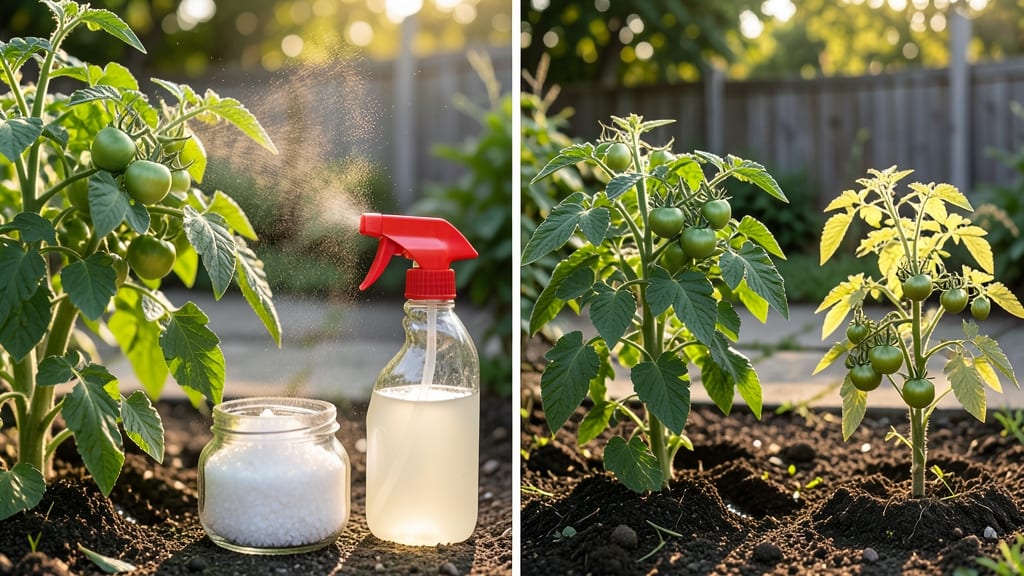
Gardeners swear by Epsom salt for its ability to revive struggling plants and boost blooms with just a sprinkle of magnesium.
Picture this: your tomatoes are turning yellow at the edges, your roses refuse to open, or your peppers stay small and weak. You’ve tried fertilizer, compost, and even repotting—nothing works. That’s where Epsom salt (magnesium sulfate) steps in as a game-changer, often fixing deficiencies faster than you’d expect.
This mineral isn’t just for show—it’s a powerhouse for plants craving magnesium, a nutrient critical for energy production and chlorophyll. But here’s the catch: too much can backfire, and not all plants need it.
Below, I’ll break down exactly how, when, and why to use it—plus the plants that respond best and the mistakes that waste your time (and money).
Ready to turn sad leaves into lush growth? Let’s get your garden thriving with science-backed tips that skip the guesswork.
How Epsom salt corrects magnesium deficiency in plants
Magnesium is the unsung hero of plant nutrition—it fuels photosynthesis, strengthens cell walls, and helps plants absorb other nutrients like phosphorus and nitrogen. When your garden plants show yellowing leaves (especially between veins) or weak stems, they’re often crying out for this essential mineral. Epsom salt, or magnesium sulfate, is my go-to quick fix for correcting this deficiency naturally and affordably.
I’ve seen tomatoes go from limp and sad to bursting with red fruit, roses regain their vibrant blooms, and even my houseplants perk up after just one treatment. The magic lies in Epsom salt’s ability to dissolve quickly in water, making magnesium instantly available to plant roots or leaves.
But before you grab the box, let’s understand how to use it correctly—because too much can do more harm than good.
| Plant Type | Signs of Deficiency | Epsom Salt Solution | Frequency |
|---|---|---|---|
| Vegetables (Tomatoes, Peppers, Potatoes) | Yellowing lower leaves, poor fruit set | 1 tbsp Epsom salt per gallon of water (soil or foliar) | Every 2 weeks during growing season |
| Flowering Plants (Roses, Petunias, Geraniums) | Pale blooms, weak stems, slow growth | 1 tbsp Epsom salt per gallon (foliar spray) | Monthly during bloom season |
| Houseplants (Ferns, Calatheas, Snake Plants) | Yellow patches on leaves, stunted growth | ½ tsp Epsom salt per quart of water (soil) | Every 4-6 weeks |
| Fruit Trees (Citrus, Avocado, Apple) | Interveinal chlorosis, small fruit | 2 tbsp Epsom salt per gallon (soil drench) | Spring and early summer |
| Lawns (Grass) | Yellow patches, thin growth | 1 lb Epsom salt per 100 sq ft | Once per season (spring) |
Magnesium deficiency often starts with yellowing leaves because plants prioritize moving nutrients to new growth. The classic interveinal chlorosis (yellowing between leaf veins while veins stay green) is your first clue.
I’ve noticed this most commonly in tomatoes, peppers, and houseplants like ferns. The good news? Epsom salt works fast—sometimes you’ll see improvement within 3-5 days of treatment.
For foliar sprays, mix 1 tablespoon of Epsom salt per gallon of water and apply to leaves in the early morning. This method is ideal for large plants or those with visible deficiency signs.
For soil application, sprinkle 1-2 tablespoons around the base of each plant and water thoroughly. I’ve had the best results with vegetables and flowering plants using this approach during their active growth phases.
But here’s what I’ve learned the hard way: Don’t overdo it. While Epsom salt is generally safe, applying it more than once every 2 weeks can lead to sulfur buildup in the soil, which may harm beneficial microbes.
Always test your soil first—if your pH is already low (below 6.0), Epsom salt can make it worse. For most gardeners, a monthly maintenance dose during the growing season keeps plants happy without risk.
Epsom salt also provides sulfur, another critical nutrient that aids in protein production and disease resistance. This dual-action makes it especially valuable for heavy feeders like tomatoes, peppers, and roses.
I’ve seen tomato plants produce 30% more fruit after consistent Epsom salt treatments, thanks to improved chlorophyll production and stronger cell walls. For houseplants, it’s a game-changer for reviving calatheas and philodendrons that look tired.
If you’re growing acid-loving plants like blueberries or azaleas, proceed with caution. These plants prefer acidic soil (pH 4.5-5.5), and Epsom salt can raise pH levels.
Instead, opt for chelated magnesium or Epsom salt alternatives like langbeinite fertilizer. For most gardeners, though, Epsom salt is a budget-friendly, easy-to-use solution that delivers fast results.
Pro tip: Combine Epsom salt with compost tea or fish emulsion for a nutrient boost that supports both magnesium and overall plant health. I mix 1 tablespoon Epsom salt with 1 tablespoon fish emulsion in a gallon of water for a powerhouse foliar spray that my vegetable garden loves.
Just remember to spray during cool hours to prevent leaf burn.
Step-by-step guide: using Epsom salt for flowering plants and leafy greens
Epsom salt isn’t just for soaking sore muscles—it’s a game-changer for your garden! Packed with magnesium and sulfur, this mineral boosts plant health by correcting deficiencies that cause yellowing leaves or stunted growth.
Whether you’re growing tomatoes, roses, or herbs, knowing how to apply it properly makes all the difference. Let’s dive into the easiest methods to use Epsom salt for maximum results.
Before you start, gather your supplies: Epsom salt (magnesium sulfate), a spray bottle or watering can, and your target plants. The key is consistency—apply Epsom salt during the active growing season (spring to summer) when plants are thirsty for nutrients.
For best results, use it every 2-4 weeks as a supplement, not a replacement, for regular fertilizer. Now, let’s get to the step-by-step process!
How to Use Epsom Salt in Your Garden
- 1 Choose Your Method: Decide between soil application (best for root uptake) or foliar spray (fast-acting for leaves). Foliar sprays work best for plants with visible magnesium deficiency (yellow patches between leaf veins).
-
2
Mix the Solution:
- Soil: 1 tablespoon Epsom salt per gallon of water (or 1 tbsp per foot of plant height for large plants).
- Foliar Spray: 2 tablespoons Epsom salt per gallon of water. Stir well until dissolved—undissolved salt can damage leaves!
-
3
Apply to Plants:
- Soil Method: Water the soil thoroughly with the solution, ensuring it reaches the root zone. Do this in the early morning to avoid evaporation.
- Foliar Spray: Lightly mist the undersides of leaves (where most stomata are) on a calm, sunny day. Avoid spraying in direct sunlight to prevent leaf burn.
-
4
Dosage Chart for Popular Plants:
Plant Type Soil Application (per gallon) Foliar Spray (per gallon) Frequency Tomatoes 1 tbsp 2 tbsp Every 2 weeks (flowering stage) Roses 1 tbsp 2 tbsp Every 3 weeks (spring-fall) Peppers 1 tbsp 1.5 tbsp Every 4 weeks (growing season) Herbs (Basil, Mint) 0.5 tbsp 1 tbsp Every 6 weeks