Light Requirements
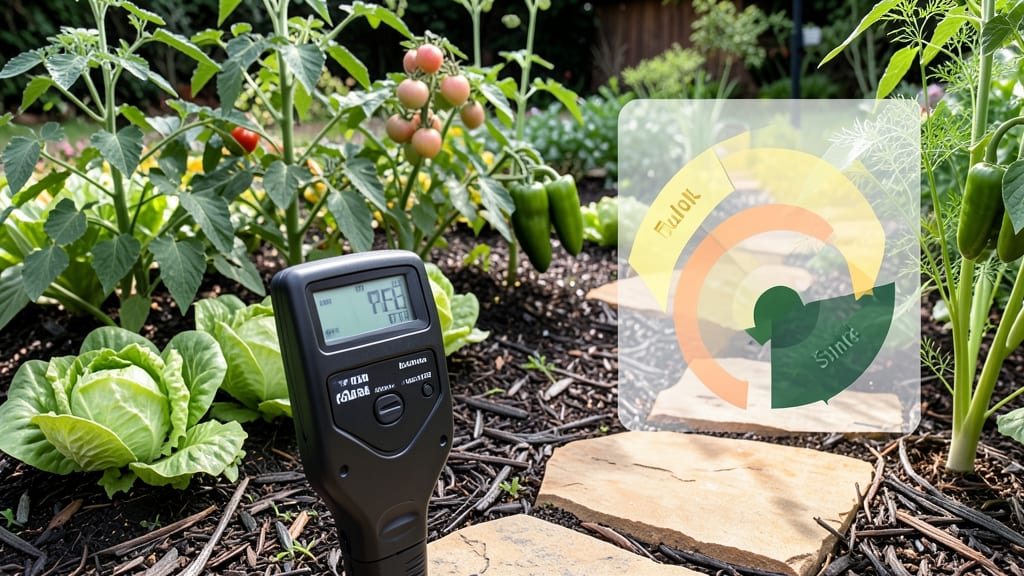
A vegetable garden needs 6 to 8 hours of sunlight daily to produce healthy, abundant harvests—though some plants thrive with less. 🥬
Struggling to decide where to place your vegetable garden? Sunlight is the single most critical factor for a thriving harvest—and getting it wrong can mean the difference between bumper crops and wilted disappointment.
Too little sun and your tomatoes won’t ripen, while too much can scorch delicate greens like lettuce. The good news? Most vegetables fall into three simple categories: full sun lovers, moderate sunlight plants, and shade-tolerant varieties.
In this guide, I’ll break down exactly how much sunlight each type needs, how to measure sunlight in your garden, and how to adjust for different climates to maximize your yield.


Sunlight requirements for vegetable gardens: full sun vs partial shade explained
Sunlight is the lifeblood of your vegetable garden—without it, even the hardiest plants struggle to grow. But how do you know if your garden gets enough sunlight? The answer depends on your vegetable varieties and their specific needs.
Most gardeners assume all vegetables thrive in full sun, but some actually prefer partial shade or even low-light conditions. Let’s break down the categories so you can place every plant in its perfect spot.
First, let’s clarify the terms: full sun means 6+ hours of direct sunlight daily, while partial shade refers to 3-6 hours. Anything under 3 hours falls into the shade-tolerant category.
These definitions matter because too much or too little sunlight can drastically affect growth rates, yield quality, and even flavor. For example, tomatoes need 8+ hours to produce sweet, juicy fruit, while leafy greens like spinach bolt (go to seed) in intense heat.
A common misconception is that all vegetables need full sun to thrive. While it’s true that many fruit-bearing plants like tomatoes and peppers demand it, leafy greens and root vegetables often do better in partial shade.
For instance, lettuce left in full sun during summer will bolt (send up a flower stalk) and become bitter. Similarly, carrots and beets need consistent moisture and cooler conditions, which partial shade provides. Even some herbs, like cilantro, prefer cooler spots to avoid early flowering.
Your garden’s microclimate also plays a huge role. A spot near a fence or building might receive partial shade due to afternoon shadows, while a south-facing bed could get intense midday sun. To test your garden’s sunlight, use a sunlight tracker or observe shadows at different times of day.
Most vegetables perform best when planted where they’ll receive their ideal sunlight throughout the growing season, not just at peak summer.
Another mistake gardeners make is assuming that more sunlight is always better. While full sun is ideal for many crops, too much heat can stress plants, especially in hot climates. For example, peppers may drop flowers in extreme heat, and cucumbers can become bitter.
If your garden gets intense afternoon sun, consider using shade cloth or planting taller crops like corn or sunflowers to provide natural shade for heat-sensitive plants below.
For container gardening, sunlight needs are even more critical because pots can overheat. Place tomato plants in full sun but ensure their containers have good drainage to prevent root rot.
Meanwhile, herbs like basil can scorch in afternoon heat, so a spot with morning sun and afternoon shade works best. Always check the plant tags or seed packets for sunlight recommendations—this is your best guide for placement.
If you’re working with limited space, prioritize high-value crops like tomatoes, peppers, and eggplants in the sunniest spots. These plants produce the most food per square foot. Save partial shade areas for leafy greens, which are easier to grow and often more forgiving.
With a little planning, you can maximize your harvest by matching each plant’s sunlight needs to its growing conditions.
Remember, sunlight isn’t the only factor—soil quality and watering habits also matter. But if you get the sunlight right, your plants will have the energy they need to grow strong, produce abundantly, and resist pests and diseases.
Start by mapping your garden’s sunlight zones, then place your plants accordingly for a thriving, productive harvest.
🌱
Best vegetables for low-sun vs high-sun gardens: plant-specific sunlight needs
Not all vegetables are created equal when it comes to sunlight needs. Some thrive in full sun with 8+ hours of direct light, while others wilt under intense rays and prefer partial shade (3-6 hours).
Knowing these differences can transform your garden from a struggle to a productive paradise. Let's break down the best vegetables for each scenario and how to troubleshoot common issues.
For high-sun gardens, prioritize tomatoes, peppers, and cucumbers—these powerhouses need full sun exposure to produce abundant harvests. In contrast, leafy greens like spinach and kale prefer low-sun conditions to avoid bolting (premature flowering). Understanding these preferences helps you maximize space and avoid plant stress.
| Vegetable | Sunlight Needs | Ideal Location | Troubleshooting Tips |
|---|---|---|---|
| Tomatoes | 8+ hours (full sun) | South-facing bed or trellis | Yellow leaves? Needs more sun or water. |
| Lettuce | 3-6 hours (partial shade) | East-facing or dappled shade | Bolting? Move to cooler, shadier spot. |
| Peppers | 6-8 hours (full sun) | West-facing or greenhouse | Fruits not ripening? Needs more sun. |
| Spinach | 3-4 hours (low sun) | North-facing or under trees | Leggy growth? Thin foliage or add shade cloth. |
| Cucumbers | 6-8 hours (full sun) | Trellis near sunny fence | Powdery mildew? Improve air circulation. |
If your tomatoes or peppers aren't producing, they might be starved for sunlight. Move them to a sunnier spot or use reflective mulch to bounce extra light onto their leaves.
Conversely, lettuce or spinach in full sun will bolt prematurely, turning bitter and inedible. Use shade cloth (30-50%) to protect them during peak afternoon heat.
For container gardens, choose compact varieties like bush beans (4-6 hours) or dwarf peppers (6 hours). These thrive in pots but still need their minimum sunlight.
If your balcony only gets morning sun, opt for shade-tolerant greens like arugula or Swiss chard, which handle 3-4 hours of light gracefully.
Troubleshooting underperforming plants starts with observing leaf color. Yellow leaves on sun-lovers? They're thirsty or shaded. Wilted greens in full sun? They're overheating. Adjust their placement and watch your garden rebound with vigor. A little sunlight strategy goes a long way toward a bountiful harvest!
🌱