Landscaping
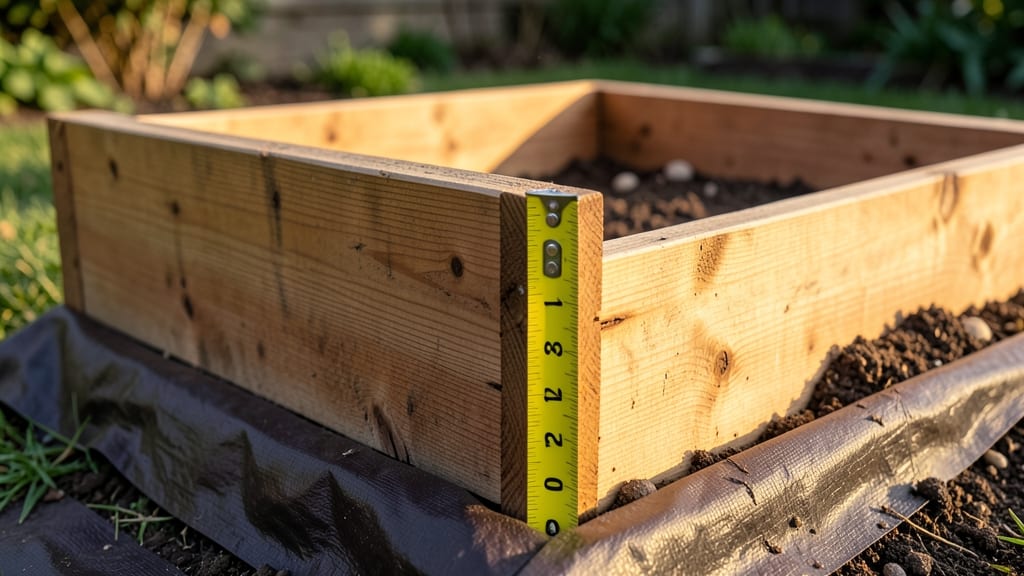
Optimal raised garden bed heights for different plant types
Getting the raised garden bed height right isn’t just about aesthetics—it’s about giving your plants the root space they need to thrive. Too shallow, and your carrots or potatoes will struggle to mature.
Too tall, and you’re wasting lumber and soil. Let’s break down the ideal heights based on what’s growing in your beds.
Most gardeners start with a 6-inch minimum depth for herbs and leafy greens, but deep-rooted crops like asparagus or sweet potatoes need 18+ inches of soil. The key is matching your bed height to the root depth of your plants while keeping it practical for you to maintain.
| Plant Type | Root Depth | Ideal Bed Height | Soil Volume (per sq ft) |
|---|---|---|---|
| Herbs (basil, parsley, cilantro) | 4-6 inches | 6-12 inches | 0.5-1 cubic foot |
| Leafy Greens (lettuce, spinach, kale) | 6-8 inches | 8-12 inches | 0.7-1 cubic foot |
| Root Vegetables (carrots, radishes, beets) | 8-12 inches | 12-18 inches | 1-1.5 cubic feet |
| Medium-Root Crops (potatoes, onions, turnips) | 12-18 inches | 18-24 inches | 1.5-2 cubic feet |
| Deep-Root Crops (asparagus, sweet potatoes, artichokes) | 18+ inches | 24+ inches | 2+ cubic feet |
| Flowers & Bushes (tomatoes, peppers, flowers) | 6-12 inches | 12-18 inches | 1-1.5 cubic feet |
For herbs and leafy greens, a 6-12 inch bed works perfectly—their roots don’t need much depth, and this height keeps maintenance easy. I’ve seen basil and parsley thrive in beds just 8 inches tall, while spinach benefits from the extra inch or two.
When growing root vegetables like carrots or radishes, aim for 12-18 inches of soil. These crops need room to grow without becoming stunted or forked. A 16-inch bed is my go-to for carrots—it gives them enough space while keeping the bed manageable for weeding and harvesting.
Deep-rooted plants like asparagus or sweet potatoes demand 24+ inches of soil. If you’re growing these, consider building a two-tiered bed or dedicating a larger bed to them. The extra height ensures their roots have the nutrient-rich space they need to produce a bountiful harvest.
Don’t forget to factor in soil quality—even the tallest bed won’t help if the soil is compacted or nutrient-poor. I always mix in compost and aged manure to create a loose, fertile growing medium. This helps roots penetrate easily, even in deeper beds.
Pro tip: If you’re planting a mix of crops, consider creating zones within your bed. For example, place shallow-rooted herbs along the edges and deeper-rooted veggies in the center. This way, you can use a single bed for multiple plant types without compromising growth.
Lastly, think about accessibility. A bed that’s too tall can be tough to reach into, especially for weeding or harvesting. I keep my beds between 12 and 24 inches tall—high enough for root space but low enough to avoid back strain.
Add a kneeling pad or ergonomic tool to make maintenance a breeze.
Experiment with heights based on your plants and space. Start with a 12-inch bed for versatility, then adjust as you learn what works best for your garden. Happy growing! 🌱
How to adjust raised bed height for Accessibility and soil quality
Finding the perfect raised bed height balances two critical needs: giving your plants enough root space while making gardening comfortable for you. A bed that’s too low forces you to kneel all day, while one that’s too tall wastes materials and creates drainage challenges.
The ideal height depends on your growing goals and physical needs—whether you’re wheeling in compost or standing to plant.
For most gardeners, a 12- to 18-inch tall raised bed strikes the best balance. This height accommodates wheelbarrow access for soil amendments while providing 12-18 inches of soil depth, enough for deep-rooted vegetables like carrots or potatoes.
However, if you’re planting shallow-rooted herbs or flowers, you might opt for a 6- to 12-inch bed to save on materials and labor.
Comparison Table: Raised Bed Height by Use Case
| Use Case | Ideal Height (inches) | Soil Depth Needed | Accessibility Notes |
|---|---|---|---|
| Standard Vegetables (carrots, potatoes, tomatoes) | 12-18 | 12-18 inches | Wheelbarrow-friendly; kneeling optional |
| Herbs & Shallow-Rooted Plants (basil, lettuce, radishes) | 6-12 | 6-12 inches | Easier to build; kneeling or standing works |
| Flowers & Ornamentals (marigolds, pansies, lavender) | 8-14 | 8-12 inches | Medium height for aesthetics and access |
| Accessibility (kneeling or standing challenges) | 18-24 | 12-18 inches | Standing-friendly; requires sturdy frame |
When adjusting height for soil quality, focus on layering. Start with a 4-inch base layer of coarse material (like branches or cardboard) to improve drainage, then add 6-12 inches of nutrient-rich soil.
For taller beds, mix in compost and aged manure to prevent compaction and ensure roots have room to spread. Avoid overfilling—too much soil can lead to poor drainage and root rot.
For gardeners with mobility challenges, consider a 24-inch tall bed. This height allows you to stand and work comfortably while still providing ample soil depth. Just ensure your frame is sturdy and level—use pressure-treated lumber or cedar to prevent warping.
If you’re unsure, start with a 12-inch bed and add height later if needed.
Pro tip: Test your bed’s height before finalizing. Fill it with soil, then kneel or stand to check your comfort level. Adjust the frame as needed—you can always add more soil later, but removing excess is harder.
And remember, drainage holes are a must, even in taller beds, to prevent waterlogging.
Once your bed is the right height, focus on soil amendments. Mix in compost, worm castings, and organic matter to boost fertility without overbuilding. A well-layered bed with the right height will give your plants the perfect foundation for a bountiful harvest. 🌱