Planting
Michigan frost dates & last spring/first fall frost timelines by region
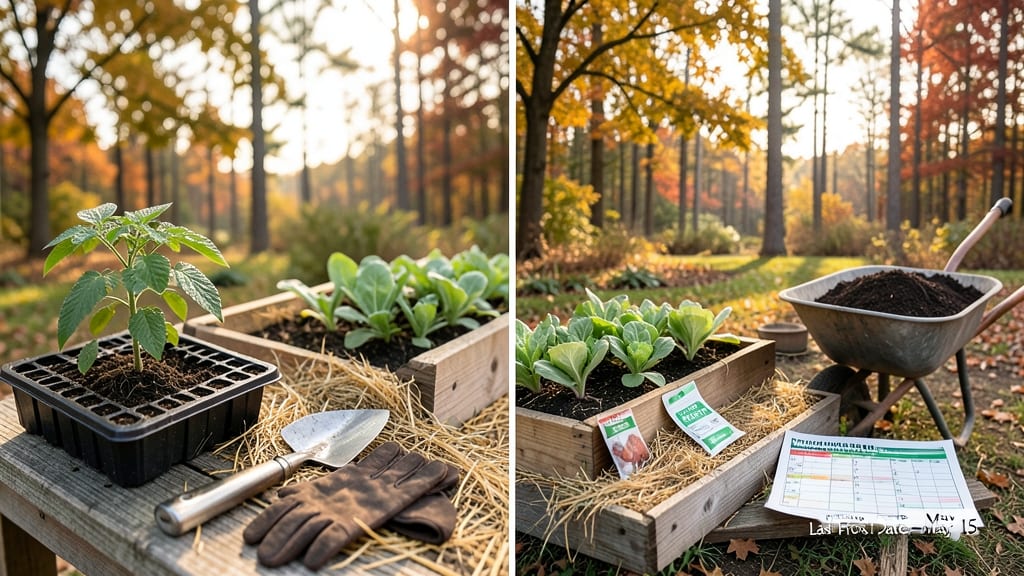
Michigan’s frost dates vary dramatically between regions, making it critical to know your USDA hardiness zone (5b-6b) and local averages. The Southern Lower Peninsula typically enjoys 10-14 days earlier last spring frosts than the Northern Lower Peninsula or Upper Peninsula.
These differences directly impact when you can safely plant warm-season crops like tomatoes or cool-season crops like spinach.
For example, Detroit (Zone 6a) often sees its last spring frost around April 15-20, while Traverse City (Zone 6b) may experience frost until May 5. Similarly, the first fall frost arrives in Mid-October in the south but can strike as early as late September in the UP.
Understanding these timelines helps you avoid frost damage while maximizing your growing season.
Use the USDA Plant Hardiness Zone Map to confirm your exact zone, then adjust planting dates based on your region. For instance, Zone 5b gardeners in the UP should wait until May 15 for tomatoes, while Zone 6b gardeners in the south can plant by April 25.
Always check soil temperatures (aim for 60°F+ for warm-season crops) and monitor local weather forecasts for late-season surprises.
🌱
To plan your planting schedule, start by marking your last spring frost date and first fall frost date on a calendar. For cool-season crops like kale, spinach, or peas, sow seeds 4-6 weeks before the last frost—this gives them time to mature before summer heat.
For warm-season crops such as tomatoes, peppers, and cucumbers, wait until 2 weeks after the last frost to transplant seedlings, ensuring soil temperatures are consistently above 55°F.
Extend your season with row covers or cold frames to protect early plantings from late frosts. In the Upper Peninsula, where frost-free days are shorter, focus on fast-maturing varieties or succession planting to maximize yields.
For example, plant bush beans in early June and follow with a second planting in mid-July to harvest into early fall.
Always account for microclimates in your garden. South-facing slopes warm up faster, while low-lying areas may experience frost later. Use frost-sensitive plants like petunias or basil as natural indicators—if they survive overnight, your garden is likely frost-free. Pair this with a soil thermometer to confirm readiness for warm-season crops.
Pro tip: Keep a 3-year record of your frost dates to adjust for local trends. Michigan’s climate is shifting, and your garden’s microclimate may differ from regional averages. By tracking these patterns, you’ll refine your planting windows
Best months to plant vegetables in Michigan: a season-by-season guide
Michigan’s diverse climate means your planting schedule should shift between Southern Lower Peninsula and Northern regions. While Southern Michigan (like Detroit) enjoys longer frost-free seasons, the Upper Peninsula faces shorter windows. Understanding these differences ensures your tomatoes, peppers, and lettuce thrive without frost damage.
For cool-season crops like spinach, kale, and peas, start seeds indoors 4-6 weeks before your area’s last frost date.
In Southern Michigan, this means early March for transplanting by mid-April, while Northern Michigan gardeners should wait until late April to avoid frost. Warm-season crops like tomatoes and peppers need to wait until after the last frost—typically mid-May in the south and late May in the north.
- 🌱 March-April: Start cool-season crops indoors (lettuce, spinach, peas). Southern Michigan can direct-sow hardy greens by late March.
- 🌿 Mid-April: Transplant cold-hardy starts (kale, broccoli) in Southern Michigan. Northern regions wait until late April.
- ☀️ Late May: Plant warm-season crops (tomatoes, peppers, beans) after last frost. Southern Michigan: mid-May; Northern: late May.
- 🌻 June-July: Succession plant fast-growing crops (bush beans, radishes) every 2-3 weeks for continuous harvests.
- 🍅 August: Start fall crops (spinach, carrots) for harvest before first frost. Southern Michigan: late August; Northern: early August.
Extend your harvests with succession planting. For example, sow bush beans every 2 weeks from June to July to enjoy fresh pods all summer. Lettuce and radishes are perfect for quick replanting—just pull up spent plants and resow seeds for a continuous supply.
In Northern Michigan, prioritize fast-maturing varieties like 'Early Girl' tomatoes or 'Quick Pick' beans to beat the shorter growing season. Use row covers to protect early plantings from late spring frosts, which can still hit in May.
For Southern Michigan, you can afford to plant heat-loving crops like okra or sweet potatoes as late as early June.
Don’t forget fall planting! Broccoli, cabbage, and kale thrive when sown in August for harvests before the first frost. In Southern Michigan, you might even squeeze in a second planting of tomatoes in early August for a late-season bounty.
Just monitor soil temperatures—keep them above 50°F for optimal germination.
Pro tip: Use Michigan State University’s Garden Guide to find localized frost dates and adjust your schedule. With these timing tricks, you’ll enjoy homegrown veggies from spring to fall—no matter where you garden in the Great Lakes State. 🌱