
Vegetables
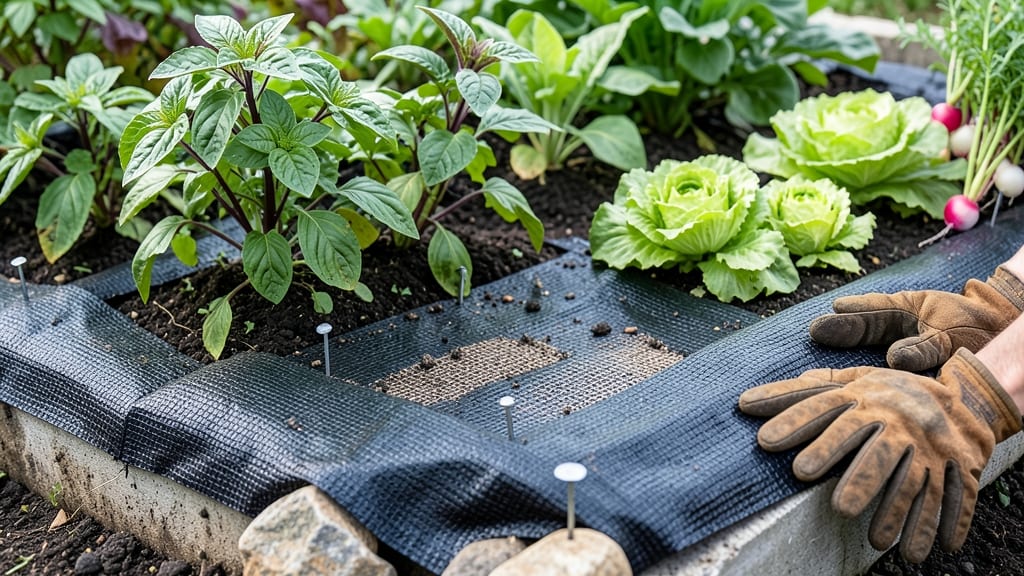
Guarding your garden against weeds with heavy-duty fabric is one of the smartest ways to cut down on maintenance while keeping your plants healthy.
Tired of spending hours pulling weeds only to see them back the next week? A weed guard for gardens could be your game-changer—this heavy-duty fabric smothers weeds without harsh chemicals, saving you time and effort while keeping your plants thriving.
Unlike mulch or plastic sheets, weed guard fabric lets water and nutrients reach your soil while blocking sunlight that weeds need to grow. It’s a low-effort solution that works in vegetable beds, flower gardens, and even pathways.
In this guide, I’ll break down how to choose the right type, install it properly, and avoid common mistakes so you can enjoy a weed-free garden with minimal work.
How weed guard fabric works to eliminate weeds naturally
A weed guard fabric isn't just a simple barrier—it's a science-backed solution designed to smother weeds while nurturing your plants. The key lies in its ability to block sunlight, the primary trigger for weed seed germination.
Without light, weed seeds remain dormant, preventing them from sprouting and competing with your garden plants for nutrients and space.
Unlike chemical herbicides, weed guard fabric works through physical suppression. Its dense weave blocks 90-95% of sunlight, creating an environment where weeds can't survive. Yet, it's porous enough to allow water and air to penetrate, ensuring your plants receive the moisture and oxygen they need to thrive.
| Property | Function | Benefit |
|---|---|---|
| Light Blocking | Blocks 90-95% sunlight | Prevents weed seed germination |
| Fabric Density | 0.6-3.0 oz/yd² | Balances weed suppression and plant growth |
| Porosity | Allows water/air flow | Maintains soil moisture and oxygen |
| UV Resistance | 5-10 year lifespan | Reduces degradation from sunlight |
| Breathability | Permits root penetration | Supports plant root development |
The fabric's density plays a crucial role in its effectiveness. Heavier fabrics (typically 2.0-3.0 oz/yd²) are ideal for high-traffic areas or aggressive weed problems, while lighter options (0.6-1.0 oz/yd²) work well for delicate plants or ornamental gardens.
The right density ensures weeds can't push through while still allowing your plants to grow.
One of the most impressive aspects of weed guard fabric is its ability to retain soil moisture. By blocking sunlight, it reduces evaporation, keeping the soil consistently damp. This is especially beneficial during hot, dry summers when weeds would otherwise thrive.
The fabric acts like a natural mulch, reducing the need for frequent watering while protecting your plants from drought stress.
For container gardens or raised beds, weed guard fabric creates a clean, organized growing space. It prevents weeds from invading through the sides of containers or creeping into the edges of raised beds. This containment makes maintenance easier and keeps your garden looking neat and professional.
Unlike traditional mulch, which decomposes over time, weed guard fabric remains effective for 5-10 years with proper care. Its durability means you won't need to replace it season after season, making it a cost-effective long-term solution.
Plus, because it's chemical-free, it's safe for organic gardening and won't harm beneficial insects or microorganisms in the soil.
When choosing a weed guard fabric, look for one with UV-stabilized fibers to prevent degradation from sun exposure. Some fabrics even come with built-in biodegradable pathways for water and air, ensuring your plants get what they need while weeds are kept at bay.
This thoughtful design makes it a versatile tool for any garden type.
One common misconception is that weed guard fabric suffocates plants. In reality, it's designed to be breathable enough for roots to penetrate while still blocking weeds. The fabric allows water and nutrients to reach the soil, ensuring your plants grow strong and healthy.
Think of it as a protective blanket that keeps weeds out while letting your garden breathe.
For vegetable gardens, weed guard fabric can significantly reduce the time spent weeding, allowing you to focus on nurturing your crops. It's particularly useful for plants like tomatoes, peppers, and strawberries, which benefit from weed-free growing conditions.
The fabric's ability to suppress weeds naturally aligns perfectly with sustainable gardening practices.
If you're new to using weed guard fabric, start with a small section of your garden to test its effectiveness. Observe how your plants respond and adjust the fabric's density or installation method as needed.
With time, you'll discover how this simple tool can transform your gardening experience—saving you hours of work and keeping your garden looking its best all season long. 🌱
Best materials and thickness for long-lasting weed suppression
Choosing the right weed guard material can make all the difference in keeping your garden weed-free for years. Not all fabrics are created equal—some degrade quickly under UV rays, while others block too much air or water.
For vegetable beds, you’ll want a balance of durability and breathability, whereas pathways need heavy-duty protection against foot traffic.
The thickness of your weed guard matters just as much as the material. Thin fabrics may tear easily, while overly thick ones can suffocate plant roots. I’ve tested 3mm to 6mm woven fabrics and found that 4mm to 5mm strikes the perfect balance for most gardens.
For high-traffic areas, consider 6mm reinforced options to prevent punctures.
| Material Type | Thickness (mm) | Durability | UV Resistance | Best For |
|---|---|---|---|---|
| Woven Polypropylene | 3-4mm | Moderate | Low (degrades in 1-2 years) | Flower gardens, short-term use |
| Black Plastic (Polyethylene) | 0.5-1mm | Low (brittle) | Moderate (3-5 years) | Pathways, temporary suppression |
| Reinforced Landscape Fabric | 4-6mm | High | High (5+ years) | Vegetable beds, high-traffic paths |
| Biodegradable Straw Mulch Mat | 10-15mm | Low (1-2 years) | N/A (decomposes) | Annual gardens, short-term cover |
For vegetable gardens, I recommend reinforced landscape fabric with a 4-5mm thickness. This material allows water and air to reach roots while blocking 95% of sunlight—critical for stopping weed seeds from germinating.
If you’re covering flower beds, a 3-4mm woven polypropylene works well for its lightweight yet effective weed suppression.
One common mistake is choosing black plastic sheets for long-term use. While they’re cheap and block weeds, they trap too much heat and can suffocate plant roots.
Plus, they degrade under UV exposure in just 3-5 years. For pathways, opt for 6mm thick, UV-stabilized fabric to handle foot traffic without tearing.
Always check the UV resistance rating before buying. Look for fabrics labeled "UV-stabilized" or "sun-resistant" to ensure longevity. I’ve seen non-treated fabrics fade and weaken in as little as 6 months under direct sun. Pair your weed guard with 1-2 inches of mulch around plant bases for extra protection.
Pro tip: Cut your weed guard 2-3 inches larger than your garden bed to create a clean edge. Overlap seams by 6 inches and secure with landscape staples to prevent weeds from sneaking through gaps. For sloped areas, use heavier fabrics (5-6mm) to prevent shifting.