
Planting
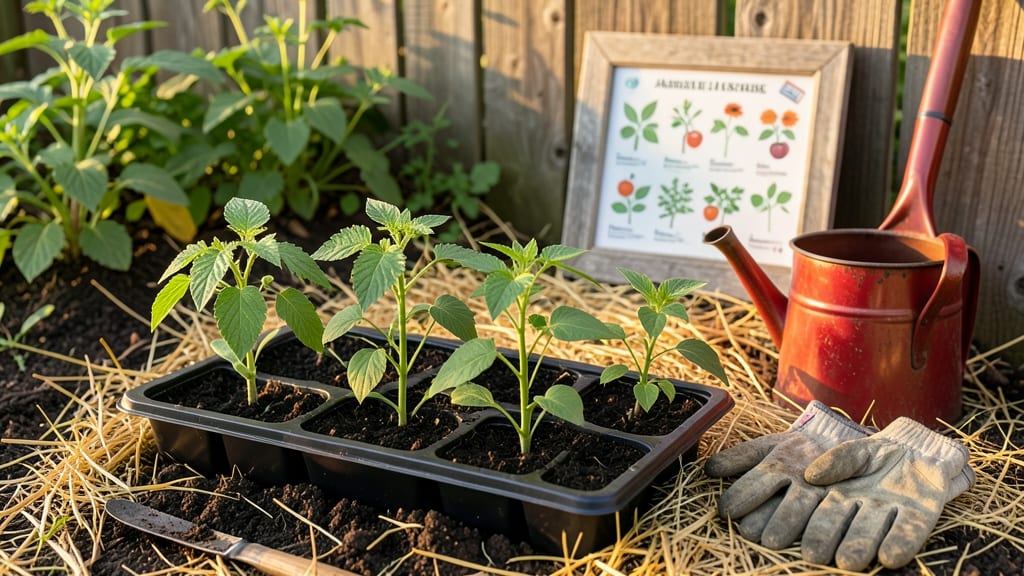
Planting a garden in Arkansas at the right time means the difference between a bountiful harvest and a sad, frost-bitten disappointment—but your county’s last frost date holds the key.
Timing your garden planting in Arkansas can mean the difference between a thriving harvest and a sad, frost-bitten failure—but knowing your county’s last frost dates takes the guesswork out of the equation.
Whether you’re in the cooler Ozark Mountains or the warmer Delta region, spring planting starts when soil temperatures hit 60°F and stays there, usually between late February and mid-April, depending on where you live.
Below, I’ll break down the exact frost dates by region, which crops to plant early vs. late, and how to adjust for Arkansas’s humid subtropical climate—so you can grow with confidence and avoid common mistakes.
Arkansas last frost dates by county: your planting timeline guide
Arkansas gardeners know the state’s varied climate—from the cool mountain air of the Ozarks to the humid heat of the Delta—means frost dates vary dramatically by county. These differences dictate when to plant vegetables, flowers, and herbs for a successful harvest.
Without accurate frost data, you risk planting too early and losing tender seedlings to late frosts or waiting too long and missing the ideal growing window.
Understanding your county’s average last frost date helps you time spring planting and fall planting perfectly. For example, northern Arkansas counties like Benton or Washington often face late frosts in mid-April, while southern counties like Arkansas or Phillips can safely plant by early March.
Even within regions, microclimates—like valleys or urban heat islands—can shift frost dates by 1-2 weeks.
The Arkansas Cooperative Extension Service provides historical frost data based on decades of records, but local variations mean gardeners should also track their own 3-year frost history.
For instance, Mountain Home in Baxter County might see its last frost on April 15, while El Dorado in Union County averages March 10. These differences impact everything from tomato transplanting to zinnia seed sowing.
Below, I’ve broken down last frost dates by region—North Arkansas (Ozarks), Central Arkansas, and South Arkansas (Delta)—along with planting windows for cool-season and warm-season crops. Use this as your garden planning blueprint to avoid common mistakes like planting peppers too early or lettuce too late.
Now that you’ve got your region-specific frost dates, let’s translate them into actionable planting advice. For cool-season crops like broccoli, spinach, and kale, plant 4-6 weeks before your last frost date.
In Baxter County, that means sowing seeds by March 1, while in Arkansas County, you can start as early as February 1.
Warm-season crops—such as tomatoes, peppers, and okra—need soil temperatures above 60°F and no risk of frost. In northern Arkansas, wait until May 1 to transplant seedlings, while southern counties can start as early as March 15.
Use row covers or cold frames to extend your season if you’re eager to plant earlier.
Herbs like basil and cilantro also follow frost rules. Basil hates cold and should only go in after April 15 in most of Arkansas, while cilantro thrives in cooler weather and can be sown 8-10 weeks before your last frost.
For example, Little Rock gardeners can plant cilantro by February 15, but Fayetteville gardeners should wait until March 1.
Pro tip: Use Arkansas Cooperative Extension’s frost maps (available online) to verify dates for your exact county. Local nurseries often know microclimate quirks, like how valleys hold frost longer than hilltops.
For instance, Mountain View in Stone County might have a 2-week later frost than nearby West Fork.
Remember, these dates are averages, not guarantees. Keep a garden journal to track your own frost dates—your 3-year data will become more accurate than regional averages. With this timeline
How to adjust planting dates for Arkansas’s microclimates and soil conditions
Arkansas’s diverse geography—from the humid Delta to the cool Ozark Mountains—creates microclimates that can shift planting windows by weeks or even months. Even within the same county, urban heat islands or river valleys can alter frost dates.
Understanding these variations helps you extend your growing season and protect tender seedlings from unexpected cold snaps.
Beyond climate, Arkansas’s soil types play a critical role. The clay-heavy soils in the Delta retain moisture but bake hard in summer, while the sandy loams of the Ozarks drain quickly but struggle to hold nutrients.
Adjusting planting dates based on soil warmth and moisture retention can mean the difference between lush plants and stunted growth.
- 1. Use row covers for 2-4 weeks after last frost to warm soil and protect cool-season crops like lettuce and peas.
- 2. Plant warm-season crops (tomatoes, peppers) only after soil reaches 60°F+—use a soil thermometer to check.
- 3. For clay soils, amend with compost or sand to improve drainage before planting.
- 4. In sandy soils, water deeply 2-3 times weekly to prevent nutrient loss.
- 5. Extend fall planting by choosing fast-maturing varieties (e.g., bush beans) and using black plastic mulch to trap heat.
If you’re in northern Arkansas, where frost lingers until mid-April, opt for cold-hardy crops like kale or spinach in early spring. In contrast, southern Arkansas can plant tomatoes as early as mid-March in protected beds.
Always monitor local weather forecasts—a late frost in April can wipe out unprotected seedlings overnight.
For soil preparation, test your pH and adjust with lime (for acidic soils) or sulfur (for alkaline). Arkansas’s clay soils benefit from gypsum to break up compaction, while sandy soils thrive with organic matter like leaf mold.
Amend beds 4-6 weeks before planting to give microbes time to incorporate nutrients.
Don’t forget succession planting—sow fast-growing crops like radishes or lettuce every 2 weeks to maximize space. In Arkansas’s short growing season, this strategy ensures a continuous harvest from spring to fall. Pair heat-loving crops (like okra) with cool-season plants (like carrots) to utilize space efficiently.
Finally, keep a planting journal to track what works in your microclimate. Note which varieties thrive, when you adjust dates, and how soil conditions affect growth. Over time, you’ll refine your schedule to match Arkansas’s unpredictable but rewarding growing conditions. 🌱