
Planting
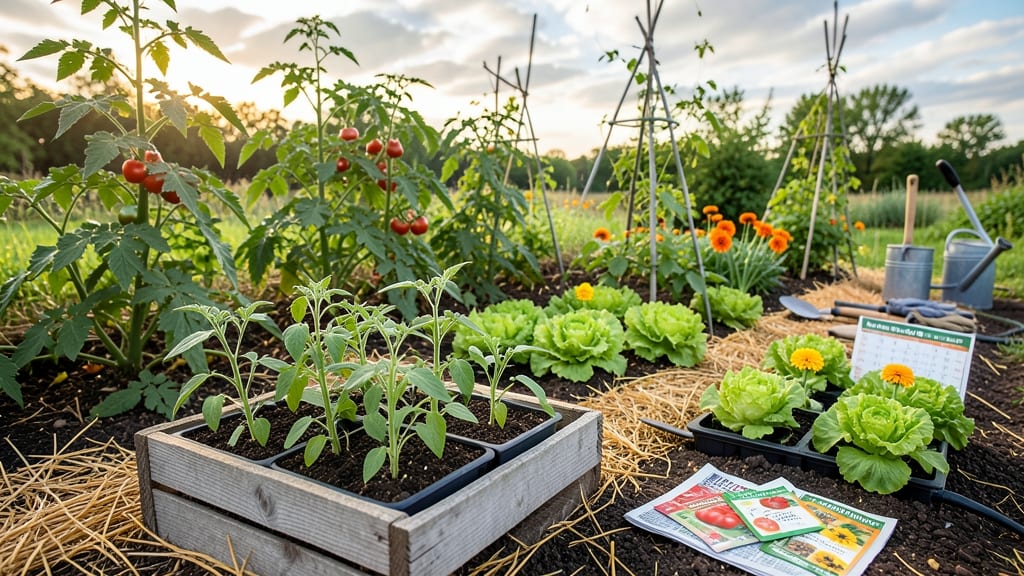
Planting your garden in West Virginia at the right time means the difference between a thriving harvest and wasted effort.
West Virginia’s unpredictable climate can make or break your garden—planting at the wrong time means wasted seeds or stunted growth. But timing it right unlocks a bountiful harvest, whether you're growing tomatoes, cool-season greens, or hardy perennials.
Most gardeners in WV wait until mid-April to early May for warm-season crops like peppers and tomatoes, but cooler highland areas may need to wait until late May. Meanwhile, hardy greens like spinach and peas can go in the ground as early as March.
Below, I break down the exact frost dates by region, how to adjust for highland vs. lowland areas, and a month-by-month planting calendar so you never miss a window again.
West Virginia frost dates & safe planting zones for vegetables
West Virginia’s USDA hardiness zones range from 5b to 7a, creating dramatic differences in frost timing between northern and southern regions.
In the northern panhandle (like Morgantown), gardeners face earlier last frosts (around April 15) and later first frosts (mid-October), while southern areas like Charleston enjoy a 2-3 week longer growing season.
These variations mean your planting windows must adapt—cool-season crops thrive in early spring, while warm-season favorites like tomatoes need to wait until after all danger of frost has passed.
Understanding these regional frost dates is critical because planting too early risks frost damage or slow growth, while waiting too long can cut your harvest short. For example, Huntington’s average last frost date is April 1, but a late freeze in May isn’t uncommon.
Meanwhile, Charleston’s warmer microclimate often allows for earlier warm-season planting by March 20 in protected areas. Let’s break down how these zones impact your garden’s success.
Key takeaway: Northern WV gardeners should prioritize cold-hardy crops like kale and peas, while southern growers can experiment with longer-season varieties of tomatoes or peppers. The USDA zone map is your first tool, but local frost records—like those from your county extension office—will give you the most accurate planting timeline.
⚠️ PRO TIP: Use row covers or cold frames to extend your season by 2-4 weeks in both northern and southern regions. This lets you plant warm-season crops like basil or cucumbers 2 weeks earlier without risking frost damage.
| Region | USDA Zone | Avg Last Frost | Avg First Frost | Cool-Season Planting | Warm-Season Planting |
|---|---|---|---|---|---|
| Northern WV (Morgantown) | Zone 6a | April 15 | October 15 | March 15–April 15 | May 15–June 1 |
| Central WV (Charleston) | Zone 7a | March 20 | October 30 | February 20–March 20 | April 15–May 1 |
| Southern WV (Huntington) | Zone 7a | April 1 | October 20 | March 1–March 15 | April 15–April 30 |
Notice how Charleston’s earlier last frost (March 20) allows for cool-season crops like spinach and lettuce as early as February 20.
This is why southern WV gardeners can often plant warm-season crops like peppers and eggplants by April 15, while northern growers must wait until May 15 to avoid frost risk. These differences highlight why local frost records matter more than just your USDA zone.
For warm-season vegetables like tomatoes, peppers, and cucumbers, the rule is simple: wait until 2 weeks after your average last frost date.
In Morgantown, that means holding off until May 1, while Charleston gardeners can plant by April 1. Cool-season crops, however, can often handle light frosts—so spinach, peas, and kale can go in the ground as early as March 1 in southern WV or April 1 in northern areas.
One common mistake is assuming all of WV follows the same timeline. For example, Huntington’s April 1 last frost is 3 weeks earlier than Morgantown’s, meaning you can plant cold-hardy crops like broccoli 6 weeks sooner
Best planting calendar for WV gardens: month-by-month guide
Timing your WV garden correctly means the difference between thriving plants and wasted effort. West Virginia’s USDA zones 5b-7a create a unique growing window where cool-season crops thrive in spring and fall, while warm-season plants need precise timing to avoid frost damage.
I’ve broken down the best planting schedule by month to maximize your harvest potential.
Start with cool-season crops like peas and spinach in early spring, then transition to tomatoes and peppers after the last frost. Summer brings heat-loving beans and cucumbers, while fall offers a second chance for kale and carrots.
Let’s dive into the exact timing for each month to keep your garden productive year-round.
- March-April: Plant peas, spinach, lettuce and harden off transplants like broccoli. Soil should reach 40°F+ for germination.
- May: Wait until last frost date (mid-May in most areas) to plant tomatoes, peppers, eggplants. Start cucumbers, beans after soil warms to 60°F+.
- June-July: Sow summer squash, corn, okra. Succession plant bush beans every 2 weeks for continuous harvests.
- August: Begin fall planting with kale, carrots, radishes. Protect tender seedlings with row covers if nights dip below 50°F.
- September-October: Plant garlic, onions, winter spinach for spring harvests. Cover with straw mulch to insulate roots.
For Northern WV (zones 5b-6a), delay warm-season planting by 2-3 weeks to avoid late frosts. In Southern WV (zones 6b-7a), you can push the season slightly earlier—just monitor local forecasts. Always check soil temperature with a thermometer; cool-season crops need 40-60°F, while warm-season plants thrive at 60-85°F.
Don’t forget herbs and flowers! Plant parsley, cilantro in spring and fall, while basil, marigolds love summer’s heat. Succession planting every 2 weeks keeps your kitchen garden stocked. For example, sow radishes every 10 days—they mature in just 30 days!
Use row covers or cold frames to extend seasons. In my Morgantown garden, I’ve successfully grown bush beans until October by using lightweight fabric. Always remove covers during the day to prevent overheating. Plan ahead: fall crops need 60-90 days to mature before the first frost (usually mid-October).
Mark your calendar with local frost dates—Northern WV’s last frost averages April 15, while Southern WV sees March 20. First frosts arrive October 15-30, depending on elevation. Adjust planting times by 1-2 weeks if your microclimate runs cooler or warmer. Happy planting!