
Picking
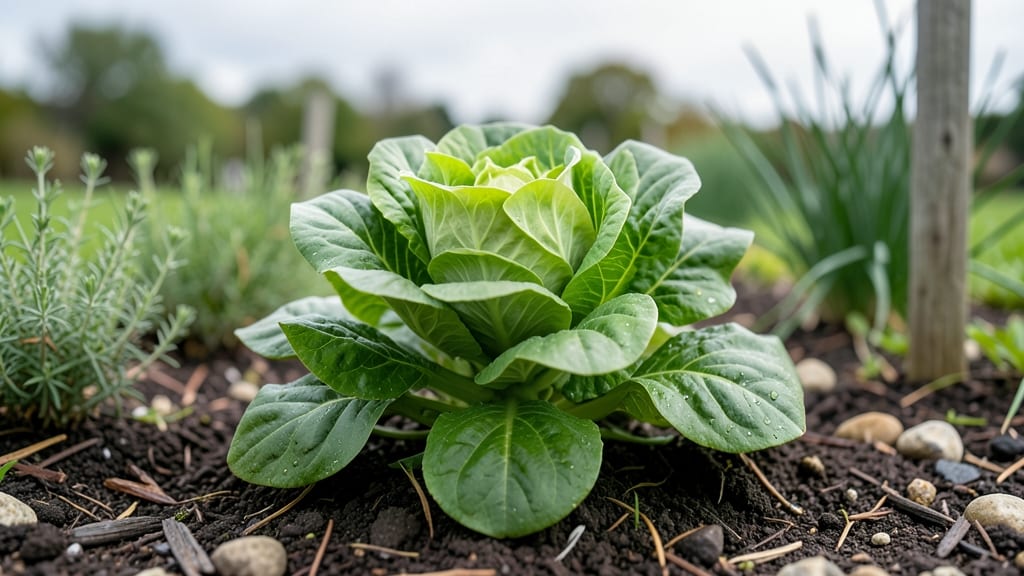
Garden lettuce is ready to pick when its leaves hit 4-6 inches and form tight, crisp heads 🥬 — but timing it wrong turns sweetness into bitterness faster than you can say "salad flop."
Picture this: You’ve nurtured your lettuce for weeks, only to snip it at the wrong moment and end up with tough, bitter leaves that taste more like regret than crunch.
The difference between a perfect harvest and a disappointing one comes down to three simple leaf tests that most gardeners miss.
Whether you’re growing loose-leaf varieties or tight-headed romaine, knowing when to pick ensures your garden lettuce stays tender, flavorful, and ready for the table.
Below, I’ll walk you through the visual and tactile cues that signal it’s time to harvest—plus how to avoid the common mistakes that ruin your crop’s potential.
From morning harvests for peak crispness to avoiding overgrowth, you’ll discover the exact moments to pick your lettuce for the best flavor and yield, no guesswork required.

3 Leaf tests to determine when lettuce is perfectly ready to harvest
Knowing exactly when to harvest your garden lettuce makes all the difference between a crisp, sweet salad and a bitter, tough disappointment. Unlike many vegetables, lettuce doesn’t ripen after picking—so timing is everything.
The key lies in three simple but science-backed leaf tests that reveal when your plants are at their peak. These tests focus on leaf size, texture, and color, which change dramatically as lettuce matures.
Most gardeners wait too long, letting lettuce bolt or develop woody stems, but these tests help you catch it at the perfect moment. Whether you're growing loose-leaf varieties or tight-headed lettuce, the same principles apply.
The goal is to harvest before the plant shifts energy from leaves to seed production—a process triggered by heat or stress. Let’s break down the three tests you can perform in just a few seconds each.
- 1 Leaf Size Test: For loose-leaf varieties, harvest when outer leaves reach 4-6 inches long. For head lettuce, wait until the head is firm and compact, typically 6-8 weeks after planting.
- 2 Texture Test: Gently squeeze a leaf. If it feels crisp and firm (like fresh romaine), it’s ready. If it’s soft or mushy, it’s overripe; if it’s too tender, it needs more time.
- 3 Color Test: Check for deep, vibrant hues (green, red, or purple, depending on variety). Pale or yellowing leaves mean it’s past its prime, while uneven color signals stress or nutrient issues.
Let’s start with the leaf size test, which is the most straightforward way to gauge readiness. For loose-leaf lettuce like buttercrunch or oakleaf, you can begin harvesting outer leaves as soon as they reach 3-4 inches. This method allows you to harvest continuously for weeks, encouraging new growth.
For head lettuce varieties like romaine or iceberg, wait until the entire head is fully formed and feels dense when squeezed. A loose or floppy head means it’s not ready yet.
The texture test is where many gardeners go wrong—they assume all lettuce should feel the same. Crispness is the gold standard, but it varies by variety. For example, romaine lettuce should feel almost crunchy, while butterhead lettuce can be slightly softer but still firm.
If you notice slimy or wilted leaves, it’s a clear sign you’ve waited too long. On the flip side, if leaves feel too delicate, they’re not fully developed yet.
Don’t overlook the color test, as it’s a direct indicator of nutrient status and maturity. Healthy lettuce leaves should be deep green, red, or purple, depending on the variety. If you see yellowing edges or pale centers, it’s a red flag.
This often happens when lettuce is stressed by heat or nutrient-deficient. For varieties like red leaf lettuce, the color should be uniform and vibrant—any dullness means it’s time to harvest before flavor deteriorates.
One common mistake is assuming all lettuce varieties follow the same timeline. Loose-leaf lettuce can be harvested in as little as 28 days, while head lettuce may take 45-60 days to reach peak flavor.
Even within the same variety, cool weather accelerates growth, while hot temperatures slow it down and can trigger bolting. That’s why I always check the weather forecast when planning my harvest—spring and fall are the sweet spots for ideal lettuce flavor.
To avoid bitterness, never let your lettuce sit in the heat. Bolting (when the plant sends up a flower stalk) is a surefire way to ruin your crop, and it’s often caused by stress from heat or drought.
If you notice the center leaves curling upward or the plant sending up a tall stalk, it’s already too late for a quality harvest. The good news? These tests help you intervene before bolting starts, ensuring you always get the best flavor.
For the best results, I recommend harvesting in the early morning when temperatures are cool and leaves are at their crispest. Use a sharp knife or clean scissors to cut leaves just above the soil line for loose-leaf varieties.
For head lettuce, twist or cut the entire head at the base. This minimizes damage to the plant and encourages regrowth—especially useful for loose-leaf types you want to harvest multiple times.
If you’re growing lettuce in containers or pots, keep an eye on root crowding, which can also signal it’s time to harvest. Overcrowded roots lead to smaller leaves and slower growth, so thin seedlings early and monitor their progress.
And remember: consistent moisture is key—lettuce hates drying out, which can make leaves tough and bitter. A light mulch around the base helps retain moisture and keeps roots cool.
By mastering these three tests, you’ll never again wonder when is garden lettuce ready to pick. Whether you’re growing lettuce for salads, sandwiches, or garnishes, these simple checks ensure you always harvest at the perfect moment—crisp, tender, and bursting with flavor. 🥬
How to harvest lettuce without triggering bolting or bitterness
Harvesting your homegrown lettuce at the right time prevents two common problems: bitter flavors and premature bolting. When you pick too late, heat or stress triggers bolting (flowering), while early harvests yield small, underdeveloped leaves.
The key lies in timing, technique, and post-harvest care—all of which extend your lettuce's productive life.
For loose-leaf varieties, you can harvest individual leaves as they reach 4-6 inches in length. This method lets the plant keep producing for weeks longer than cutting the whole head.
Meanwhile, head lettuce like romaine or iceberg should be harvested when the outer leaves fully unfurl but the core remains compact.
Timing matters too—morning harvests deliver the crispest leaves, as daytime heat can make lettuce wilt or develop bitter nitrates. Avoid harvesting during heatwaves (above 85°F), as this stresses plants and accelerates bolting. Instead, focus on spring and fall when temperatures stay mild.
⚠️ WARNING: Common Harvest Mistakes That Ruin Lettuce
⚠️ Harvesting Too Late = Bitter, Tough Lettuce
Overripe lettuce develops bitter compounds from stress. Check for these red flags:
- Yellowing leaves (sign of heat damage)
- Loose heads (lettuce is past prime)
- Tall stems (bolting has started)
✂️ Pro Tip: Harvest every 2-3 days in peak season to prevent overgrowth.
Use sharp scissors or pruners to cut leaves 1/2 inch above the base for loose-leaf types. For head lettuce, slice the entire head just above the soil line with a clean knife. Always disinfect tools between plants to prevent disease spread.
After harvesting, rinse leaves in cool water and store in a perforated plastic bag in the fridge for up to 7 days.
To extend your harvest season, try succession planting every 2 weeks in spring and fall. Choose heat-tolerant varieties like romaine or oakleaf for summer gardens. Mulch with straw or grass clippings to keep soil cool and retain moisture, which delays bolting by 1-2 weeks in hot climates.
Finally, fertilize lightly after harvest with a high-nitrogen (5-10-10) mix to encourage regrowth. Avoid heavy feeding, as excess nutrients can lead to bolting or leafy but bitter regrowth. With the right timing and care, your lettuce patch can produce harvests for months—not just weeks.