Picking
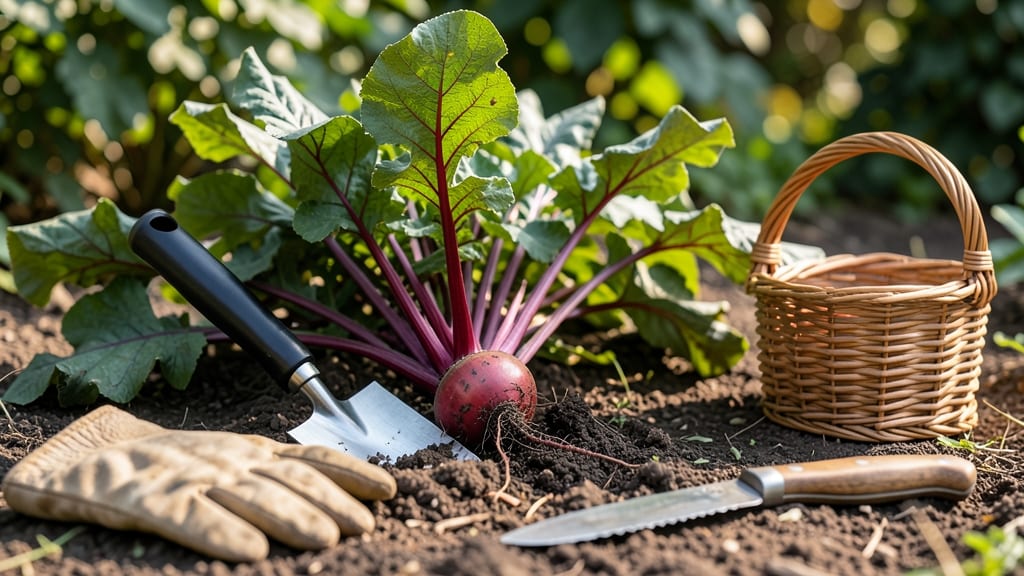
Picking beetroot from the garden at the right time ensures sweet, tender roots 🍠—wait too long, and you’ll end up with tough, woody messes.
Harvesting beetroot at the wrong time means tough, woody roots instead of sweet, tender gems—so timing is everything for a perfect garden bounty.
You’ll know they’re ready when the roots reach 1-3 inches in diameter, the tops are 4-6 inches tall, and the color deepens to a rich red, gold, or striped hue. Skip these checks, and you risk flavor loss or even bolting in hot weather.
Below, I’ll walk you through the 3 key size checks, how soil temperature shifts your harvest window, and what happens if you pick too early—or too late.

3 Key size checks to harvest beetroot at peak sweetness
Knowing when to pick beetroot from your garden is all about timing—harvest too early, and you’ll get tiny, underdeveloped roots. Wait too long, and they turn woody and tough.
The secret? Checking three simple but critical size and texture cues before pulling them from the soil. These visual clues ensure you enjoy the sweetest, most tender beetroot possible.
Beetroot matures between 40 to 70 days, but size is the most reliable indicator. A root that’s too small lacks flavor, while one that’s overgrown becomes fibrous. The key is finding that perfect balance where the beetroot is fully developed but still packed with natural sweetness.
Let’s break down the three must-check signs to determine the ideal harvest window for your garden.
Start by examining the root diameter—this is your first clue. Beetroot varieties differ slightly, but most gardeners agree that roots between 1 to 2 inches are ideal for baby beetroot, while 2 to 3 inches is perfect for full-sized, sweet roots.
For example, my Detroit Dark Red beetroot always reaches peak flavor at about 2.5 inches in diameter. Use a ruler or compare it to everyday objects like a baseball (3 inches) or a golf ball (1.5 inches) for a quick reference.
Next, focus on the color intensity. A fully mature beetroot will have a rich, deep hue with no green tops peeking through the soil. For golden beetroot varieties, this means a vibrant yellow-orange shade, while red beetroot should be a deep crimson.
If the color is pale or patchy, leave them in the ground for another 7 to 10 days to develop further. Pro tip: Dig up one beetroot to check its color—this avoids damaging your entire crop while giving you a clear signal.
Don’t overlook the skin texture—this is where many gardeners go wrong. A ready-to-harvest beetroot should feel firm and slightly resistant when you press it gently with your thumb. If it feels soft or gives way easily, it’s likely overripe and may have developed a woody center.
On the flip side, if the skin is thin and tender, the beetroot is still growing and needs more time. Think of it like testing a ripe avocado—just enough give to know it’s ready, but not too soft.
Another helpful trick is to check the foliage height. When the top leaves reach 4 to 6 inches tall, the roots below are usually at their sweetest. This is especially useful if you’re growing beetroot in containers or tight spaces, where digging up the entire plant isn’t practical.
Pair this with the other two checks, and you’ll have a foolproof method for harvesting at the perfect moment. For instance, my Chioggia striped beetroot always signals readiness when the leaves hit about 5 inches—a great visual cue for busy gardeners.
Timing your harvest also depends on the soil conditions. Dry soil makes it easier to clean the roots, but overly dry conditions can stress the plant. Aim to harvest when the soil is moderately moist—not soggy, but not bone-dry either.
If your garden has been experiencing hot, dry spells, water the area lightly the day before harvesting to make the roots easier to pull. This is particularly important for loose, sandy soils, where roots can be harder to extract when dry.
Seasonal adjustments matter too. In spring-planted crops, beetroot often matures faster due to cooler soil temperatures, while summer plantings may take longer because of heat stress.
For example, my early spring beetroot was ready in 50 days, but the same variety planted in July took closer to 65 days. Keep a garden journal to track these variations—it’ll help you predict future harvests with confidence.
If you’re unsure, always err on the side of harvesting slightly early; beetroot can be stored for weeks in a cool, dark place, so you won’t lose out on flavor.
Finally, remember that variety matters. Some beetroot types, like Boltardy or Cylindra, are bred for specific sizes and flavors. Always check the seed packet for recommended harvest times and sizes.
For example, Cylindra beetroot is often harvested when it’s 1 to 2 inches in diameter for a cylindrical shape, while Detroit types are left to grow larger. Tailoring your approach to the variety ensures you’re always harvesting at peak sweetness.
By mastering these three size checks—diameter, color, and skin firmness—you’ll never again miss the window for harvesting the sweetest, most tender beetroot. The next time you’re kneeling in your garden, take a moment to assess your crop with these tips.
Your taste buds (and your dinner table) will thank you! 🍠
How soil and weather affect beetroot harvest timing
Soil temperature and weather patterns play a crucial role in determining when your beetroot is ready for harvest. Unlike many vegetables, beetroots thrive best when the soil stays consistently warm—ideally between 60°F and 75°F.
If your garden experiences cooler temperatures, the roots may grow slower or develop a woody texture, ruining their sweet flavor. Understanding these conditions helps you adjust your harvest window for the best results.
Rainfall patterns also influence harvest timing. Too much rain before harvesting can make the soil too wet, leading to muddy roots and potential rot. On the other hand, dry spells can cause the roots to become tough and less flavorful.
Balancing moisture levels is key to ensuring your beetroots reach their peak sweetness at the right moment. Let’s explore how to fine-tune your harvest based on these factors.
⚠️ callout-warning ⚠️
Picking beetroots when the soil is too cold (below 55°F) or too hot (above 85°F) can lead to bitter, tough roots. Additionally, harvesting after a heavy rain can cause soil to cling to the roots, increasing the risk of disease. Always check the soil moisture and root firmness before pulling.
Seasonal changes directly impact beetroot growth and harvest readiness. In spring-planted crops, you’ll likely harvest between late summer and early fall, while fall-planted varieties may mature faster due to cooler temperatures.
Pay attention to your local frost dates—beetroots can tolerate light frosts, but a hard freeze will damage the foliage and roots. Plan to harvest before the first killing frost if your season is short.
If your region experiences unpredictable rainfall, consider using mulch to regulate soil moisture. A 2-3 inch layer of straw or wood chips helps maintain even moisture levels, reducing the risk of uneven growth or cracked roots.
This simple step can make a big difference in achieving consistent harvest times, especially in drought-prone areas or regions with heavy downpours.
One of the best ways to gauge harvest timing is by monitoring the foliage. When the top leaves start to yellow or wilt slightly, it’s often a sign that the roots are ready. However, if the weather has been unusually hot or dry, the leaves may wilt prematurely.
In this case, dig up a test root to check its size and texture—this is your best indicator of readiness.
For maximum flavor, aim to harvest beetroots when the soil is dry but not hardened. This ensures the roots pull out cleanly without breaking. If you’re growing in containers, water lightly the day before harvesting to make the soil easier to work with.
Remember, beetroots store well, so you can harvest a few at a time without worrying about overproduction.