
Planting
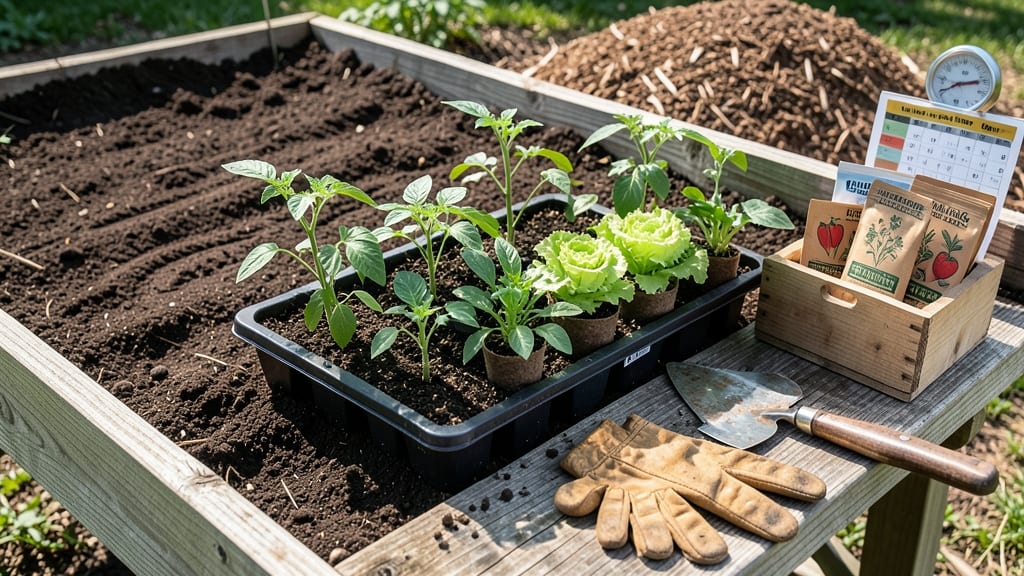
Planting a garden in Michigan at the right time means the difference between a bountiful harvest and a frost-killed disappointment.
Michigan’s unpredictable spring weather can turn a gardener’s dream into a frost-damaged nightmare—unless you know the exact last-frost dates for your county. Planting too early risks losing your hard work, while waiting too long means missing peak harvests.
From the Upper Peninsula’s later frost dates to the Lower Peninsula’s earlier warm-up, timing is everything. Cool-season crops like lettuce and peas can handle soil temps as low as 40°F, while tomatoes and peppers need to wait until the ground warms to at least 60°F.
Below, I’ll break down the county-by-county frost dates, how to adjust for microclimates, and the 5 biggest planting mistakes Michigan gardeners make—so you can get your 🌱 in the ground at the perfect moment.
Michigan last-frost dates by county: when to plant cool vs warm-season crops
Michigan’s diverse climate means your planting schedule should match your specific county. The Lower Peninsula ranges from late April frost-free in southern counties to early June in the Upper Peninsula.
Knowing these dates helps you avoid frost damage to cool-season crops like spinach and warm-season crops like tomatoes. Let’s break it down by region so you can plan with confidence.
For cool-season crops (lettuce, peas, kale), plant 4-6 weeks before your last frost date. Warm-season crops (tomatoes, peppers, cucumbers) need soil at at least 60°F—usually 2-3 weeks after your last frost.
Southern Michigan’s earlier dates let you start sooner, while northern areas must wait longer. Here’s how to time it right for your location.
| County | Last Frost Date | Cool-Season Planting | Warm-Season Planting |
|---|---|---|---|
| Wayne (Detroit) | April 25 | March 15-April 1 | May 10-May 25 |
| Oakland | April 28 | March 20-April 5 | May 15-May 30 |
| Kalamazoo | May 5 | April 1-April 15 | May 20-June 1 |
| Grand Rapids | May 10 | April 5-April 20 | May 25-June 5 |
| Traverse City | May 15 | April 10-April 25 | June 1-June 10 |
| Marquette (UP) | June 5 | May 1-May 15 | June 20-July 1 |
| Houghton (UP) | June 10 | May 10-May 25 | June 25-July 5 |
Dates are averages—always monitor local forecasts for adjustments.
Southern Michigan’s Wayne and Oakland counties can start cool-season crops as early as mid-March, while the Upper Peninsula waits until early May. This 6-week difference means your neighbor’s garden schedule may not
How to adjust planting dates for Michigan’s microclimates and frost risks
Michigan’s diverse climate means your neighbor’s last frost date might be weeks off from yours. Urban heat islands in Detroit can delay frost by 10–14 days compared to rural areas, while lake-effect zones near Lake Michigan create microclimates where frost lingers longer.
Understanding these shifts helps you extend your growing season without risking frost damage.
Start by checking your county’s 10-year frost data trends. For example, Wayne County averages its last frost on May 15, while Marquette in the UP often sees frost until June 1.
Use these dates as a baseline, then adjust based on your yard’s specific conditions—like proximity to water, elevation, or pavement that absorbs heat.
⚠️ callout warning
To protect tender seedlings, use row covers or cold frames to add 5–10°F warmth. For example, a floating row cover can let you plant spinach or peas 2–3 weeks earlier in spring, while a low tunnel extends fall harvests by 4–6 weeks for crops like kale or carrots.
Calculate your safe planting window by subtracting your crop’s days to maturity from your first frost date. For instance, if your first frost is October 15 and you’re growing bush beans (60 days to harvest), plant by August 15.
Use this formula for all warm-season crops to avoid rushed harvests.
High-value crops like tomatoes or peppers need warm soil (70°F+). Test soil temperature with a soil thermometer—if it’s below 55°F, delay planting or use black plastic mulch to warm the ground faster.
In Zone 4–5 areas, this can mean waiting until late May or early June.
Track your garden’s performance yearly to refine timing. Keep a frost journal noting when frost occurs, how long it lasts, and which crops thrive. Over time, you’ll spot patterns—like your yard’s unique frost pockets—and adjust planting dates to match your microclimate’s rhythm. 🌱