
Planting
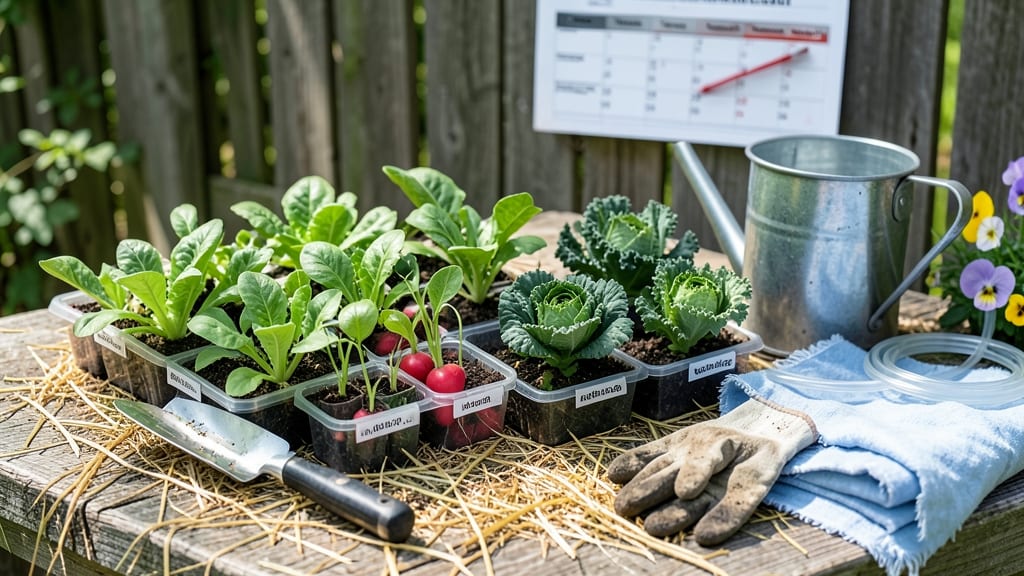
Planting a garden in Michigan depends on your region’s last frost date — typically late April to early June — but getting it wrong means frost-killed seedlings or missed harvests.
Michigan’s unpredictable spring weather can turn a gardener’s excitement into frustration. Plant too early, and frost will kill your tender seedlings; too late, and you miss peak harvest season. Timing your garden correctly means the difference between a bountiful yield and wasted effort.
If you’re in the Upper Peninsula, aim for early May, while Southern Michigan gardeners can start as early as mid-April. The key is knowing your USDA zone and adjusting for local microclimates.
In this guide, I’ll break down the best planting windows by region, share tricks for extending your growing season, and help you avoid common mistakes that ruin early crops.
Michigan’s last frost dates by region: critical planting windows for vegetables
Michigan’s last frost dates vary dramatically by region, making precise timing essential for vegetable gardening success. The Upper Peninsula often sees its last frost in early June, while Southern Michigan can be frost-free by mid-May.
These differences create distinct planting windows for cool-season crops like spinach and warm-season crops like tomatoes—each requiring careful coordination with Mother Nature.
Understanding your USDA hardiness zone (Michigan ranges from 4a to 6b) helps refine these dates. For example, Zone 4a in the UP may need to wait 2-3 weeks longer than Zone 6a in Southwest Michigan.
This guide breaks down planting windows by region, helping you avoid the common mistake of planting frost-sensitive crops too soon or missing the optimal window for cool-season stars.
📌 Pro Tip: Always use the 10-day rule—wait 10 days after your average last frost before planting tender seedlings to ensure safety. Check Michigan State University’s Frost Free Date Calculator for your exact location.
In the Upper Peninsula, where Zone 4a dominates, gardeners must plan carefully. Peas and spinach can handle light frosts, so they’re safe to direct-sow as early as mid-April.
However, tomatoes and peppers won’t tolerate frost, so wait until after June 1—and even then, use row covers for early starts.
Moving to the Northern Lower Peninsula, the 10-day window after the average last frost (around May 25) is your cue for warm-season crops.
This region’s longer growing season allows for succession planting of lettuce or radishes every 2 weeks until early July. Basil and cucumbers thrive here but need consistent warmth, so don’t rush them into the garden before mid-May.
Southern Michigan’s Zone 6a-6b offers the earliest opportunities. Onions and cabbage can be started indoors in February for transplanting by April 1, while eggplant and peppers benefit from a soil warmer to jumpstart growth. The key here is soil temperature—wait until it reaches 60°F for warm-season plants.
🌱 Cool-Season Crops like kale and carrots are your allies in early spring. They tolerate light frosts and can even sweetened by cold. In Southern Michigan, you can plant them as early as March 1, while in the UP, hold off until April 15 to avoid late-season frosts. For maximum yield, plant a second crop in late July for a fall harvest.
For warm-season crops, timing is everything. In Northern Michigan, tomatoes planted after May 20 will have time to mature before the first fall frost (around October 1).
In Southern Michigan, you can push this to June 1 for a longer harvest window. Peppers, being slower to mature, need an even later start—after June 1 in the UP and May 15 in the south.
Don’t forget about first frost dates, which determine your harvest window. The UP typically sees its first frost by September 20, while Southern Michigan can extend harvests until October 15. Use row covers or cold frames to protect tender crops like broccoli and cauliflower into early November.
To fine-tune your planting schedule, monitor soil temperatures with a thermometer. Cool-season crops thrive in 45-65°F soil, while warm-season crops need 60-70°F. If your soil is too cold, seedlings will rot or fail to sprout. Black plastic mulch can warm soil by 5-10°F
How to adjust planting times for Michigan’s unpredictable weather patterns
Michigan’s weather can shift from 60°F sunshine to 32°F frost in a single week—leaving gardeners scrambling to adjust. The key to success lies in flexibility and preparation.
Instead of sticking rigidly to last frost dates, I use a combination of weather forecasting, season extension tools, and succession planting to protect my crops. This approach has saved my tomato plants twice in the last three years!
Start by monitoring local weather alerts and the Michigan State University Extension frost date predictions. These resources provide region-specific guidance, but I always add a 1-2 week buffer for safety.
For example, in Southern Michigan, I plant warm-season crops like peppers and eggplants after May 15th, but I cover them with frost cloth until the threat of frost passes completely.
Here’s the critical mistake I see gardeners make: planting frost-sensitive crops like basil or cucumbers as soon as the soil is workable. Even if daytime temps are warm, nighttime frosts can still occur.
Instead, I wait until the soil temperature consistently stays above 55°F for at least a week. A simple soil thermometer (just $10) makes this easy to track.
⚠️ Warning: Don’t Trust "Average" Frost Dates!
Michigan’s last frost dates vary wildly—sometimes by 3 weeks—from year to year. The USDA average for Southern Michigan is May 15th, but in 2020, I had frost on May 28th. Always check the 7-day forecast and use season extenders like cold frames or row covers for warm-season plants until you’re certain the danger has passed.
One of my favorite tools for adjusting planting times is succession planting. Instead of sowing all my lettuce seeds at once, I plant a new batch every 2 weeks from April through July. This ensures a steady harvest and reduces the risk of losing everything to a late frost.
For cool-season crops like spinach and peas, I even plant a final batch in early August to harvest before the first frost in October.
For warm-season crops that need a long growing season, like tomatoes and peppers, I use black plastic mulch to warm the soil faster. This lets me plant 2-3 weeks earlier than I otherwise could.
Pair this with a mini greenhouse or row cover, and you can push your planting window even further. Just remember to remove covers during the day to prevent overheating!
Finally, don’t overlook the power of weather forecasting apps. I rely on AccuWeather and Weather Underground for hourly updates during planting season. If they predict a 32°F night, I’ll either cover my plants or delay planting until conditions improve.
This proactive approach has helped me avoid frost damage to my zucchini plants twice this year.
With these strategies, you can turn Michigan’s unpredictable weather into an advantage. The key is staying flexible, using tools, and learning from each season. Happy gardening! 🌱