
Planting
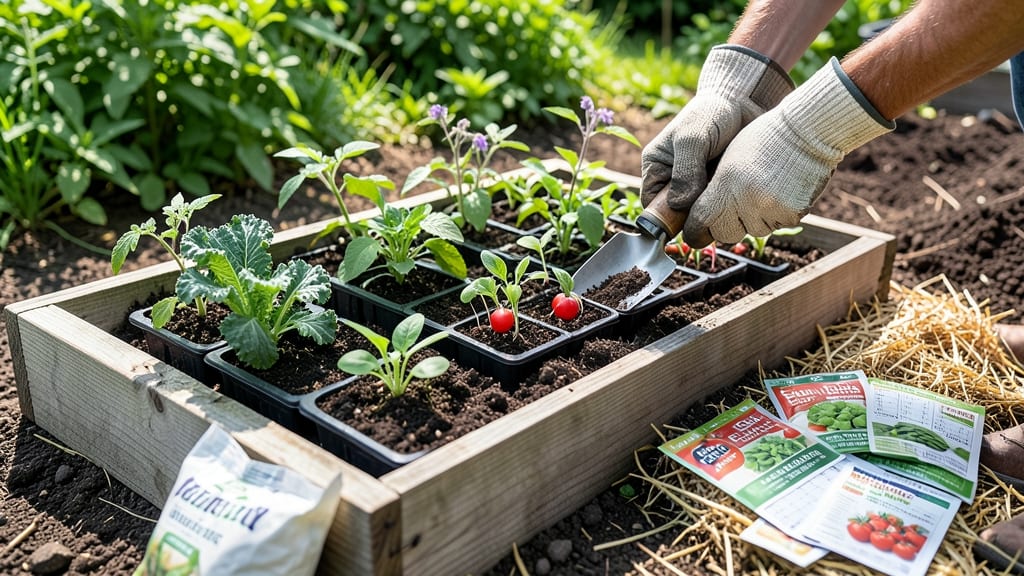
To plant a vegetable garden in New York at the right time means avoiding frost-killed seedlings and maximizing your harvest—timing is everything, especially in zones 6a-7b where spring can swing from 30°F to 70°F in a week.
New York’s unpredictable spring weather can turn your vegetable garden dreams into frost-bitten failures—unless you plant at the perfect time. One late frost in April and your tomatoes or peppers won’t even get started, while rushing warm-season crops too early risks stunted growth.
Here’s the key: cool-season crops like spinach and peas go in 4-6 weeks before your last frost (mid-April for NYC, later upstate), while warm-season stars like tomatoes and beans need to wait until 2-3 weeks after—usually late May to early June.
Below, I’ll break down the exact frost dates by zone, which crops to plant when, and how to stretch your growing season so you’re harvesting through October—no matter where in New York you’re gardening.
New York’s frost dates by planting Zone: critical timing for vegetable success
New York’s USDA Planting Zones 5-7 experience dramatic frost date variations, making timing your vegetable garden the difference between thriving plants and frozen failures. Understanding these last frost dates helps you align planting with your crops’ temperature requirements, whether they’re frost-hardy greens or heat-loving tomatoes.
In Zone 5 (northern NY like Syracuse), the average last frost date is around May 10, while Zone 7 (Long Island/NYC) sees frost-free conditions by April 15. These dates create a 3-week window for planting warm-season crops—like peppers and eggplants—that can’t tolerate cold snaps.
Cool-season crops (spinach, peas, kale) thrive when planted 4-6 weeks before your last frost, while warm-season crops (tomatoes, beans, cucumbers) need 2-3 weeks after frost risk has passed. Missing these windows means stunted growth or total crop loss.
🌱 Pro Tip: Use Cornell Cooperative Extension’s frost maps for hyper-localized data—some microclimates (like urban heat islands) can have earlier frost-free dates than rural areas.
| Zone | Avg. Last Frost | Avg. First Frost | Cool-Season Planting Window | Warm-Season Planting Window | Example Crops |
|---|---|---|---|---|---|
| Zone 5 (Syracuse, Albany) | May 10 | October 10 | April 1-15 | May 20-June 1 | Spinach, peas, broccoli, tomatoes, peppers |
| Zone 6 (Rochester, Hudson Valley) | April 25 | October 5 | March 20-April 10 | May 10-May 25 | Lettuce, radishes, cucumbers, beans, eggplants |
| Zone 7 (NYC, Long Island) | April 15 | October 15 | March 15-April 5 | April 30-May 15 | Kale, carrots, basil, squash, peppers |
For Zone 5 gardeners, this means spinach and peas can go in as early as April 1, while tomatoes shouldn’t hit the soil until late May. In Zone 7, you can start warm-season crops like basil indoors in March to transplant outside by May 1.
🌿 Key Exception: Potatoes and onions can handle light frosts—plant them 2-3 weeks before your last frost date for an early harvest. These cold-hardy crops often emerge faster than tender greens.
First frosts arrive earlier in northern zones (Zone 5: October 10) than in southern zones (Zone 7: October 15), giving you 1-2 extra weeks for fall planting. Use this window for fast-maturing crops like bush beans or radishes to squeeze in a second harvest.
💡 Local Adjustments: Elevation and lake-effect microclimates (like near Finger Lakes) can shift frost dates by 1-2 weeks. Monitor local weather stations or use frost prediction apps to fine-tune your schedule.
Even with perfect timing, unpredictable late frosts can still strike. That’s why I recommend succession planting—sowing small batches every 2 weeks ensures you’ll always have fresh greens or herbs ready to harvest, regardless of Mother Nature’s whims.
☀️ Remember: Warm-season crops need soil temperatures above 60°F to germinate. Use a soil thermometer to confirm readiness—cold soil can delay germination by weeks, even after frost risk has passed.
Best vegetables to plant by month in New York: month-by-month calendar
New York’s diverse climate means your vegetable garden can thrive year-round with the right timing. Whether you're planting cool-season greens in spring or warm-season tomatoes in summer, knowing the best months for each crop ensures a continuous harvest.
Below, I’ve broken down the ideal planting schedule by month, categorized by crop type, so you can plan for success.
For leafy greens like lettuce and spinach, early spring and late summer are your best bets.
Meanwhile, root vegetables such as carrots and beets prefer cooler soil, making them ideal for early spring or late summer sowing. Fruiting plants like tomatoes and peppers need warm soil and air, so they go in after the last frost—typically mid-May for most of New York.
- March: Start cool-season crops indoors (e.g., onions, peas) or sow hardy greens like spinach and kale directly outside. Use row covers to protect from late frosts.
- April: Direct-sow radishes, lettuce, and carrots as soon as soil is workable. Transplant broccoli and cabbage seedlings after last frost risk passes (usually mid-April in southern NY).
- May: Plant warm-season crops like tomatoes, peppers, and beans 2-3 weeks after last frost. Succession-sow bush beans and zucchini every 2 weeks for continuous harvests.
- June: Sow fall crops like kale, spinach, and carrots for late-season harvests. Transplant cabbage and Brussels sprouts for fall maturity.
- July: Direct-sow radishes, turnips, and lettuce for late summer/fall harvests. Succession-plant green beans and peas for extended production.
- August: Plant cool-hardy crops like spinach, arugula, and garlic for fall and winter harvests. Avoid planting warm-season crops after mid-August.
- September: Focus on winter squash, leeks, and onions for storage. Succession-sow radishes and lettuce every 2 weeks for early fall harvests.
- October: Plant garlic and hardy greens like kale and Swiss chard for winter harvests. Cover with straw mulch to protect from frost.
Succession planting is key to maximizing your harvest. For example, sow bush beans every 2 weeks from May to July to enjoy fresh pods all summer.
Similarly, lettuce and radishes grow quickly, so stagger plantings every 10-14 days for a steady supply. This technique works especially well for fast-maturing crops like these.
Don’t forget to adjust for your specific USDA zone in New York. Southern regions (like Long Island) can plant earlier, while upstate areas (like Buffalo) may need to wait until late May for warm-season crops.
Always check your local last frost date—typically around April 15 in NYC and May 10 in Buffalo—to guide your timing.
For root vegetables, aim to harvest before the soil warms too much in summer. Carrots and beets planted in early spring or late summer will develop sweeter flavors and avoid bolting.
Meanwhile, fruiting plants like tomatoes and peppers need consistent warmth, so prioritize them after the last frost and use mulch to retain soil moisture.
With this month-by-month guide, you’ll avoid common pitfalls like frost damage or bolting greens while ensuring a continuous harvest from spring through fall. Happy planting! 🌱