
Planting
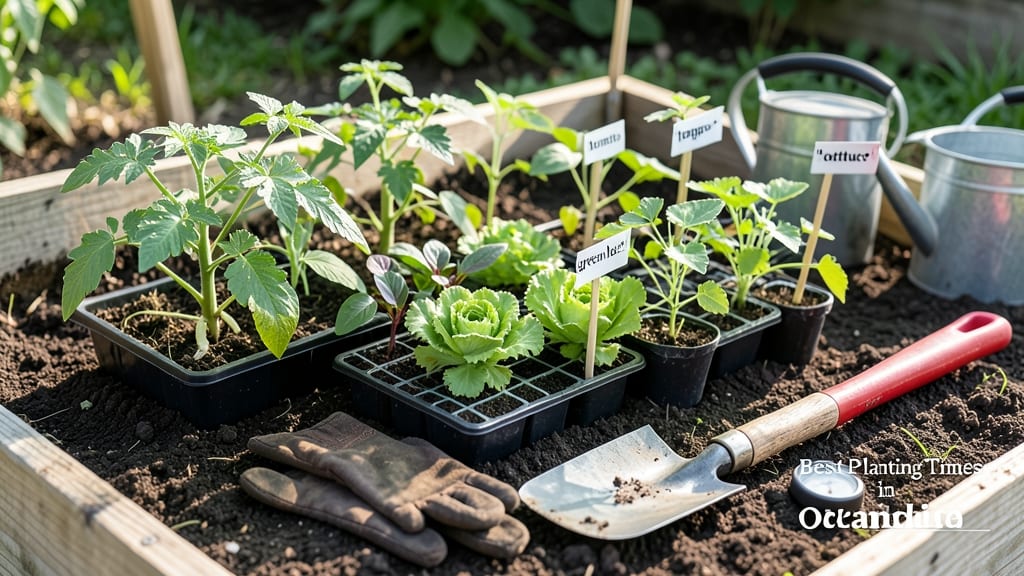
Planting a vegetable garden in Oklahoma at the right time means the difference between a thriving harvest and a wasted season.
Oklahoma’s unpredictable weather—from late frosts to scorching summers—can make or break your garden. If you’ve ever watched your seedlings wilt overnight or seen your tomatoes bolt in June, you know timing is everything.
But with the right schedule, you can stretch your growing season and enjoy fresh produce from spring through fall.
Most Oklahoma gardeners start cool-season crops like lettuce and peas in early spring, once the soil warms to at least 50°F. Warm-season favorites like tomatoes and peppers, however, need to wait until after the last frost—typically mid-April in southern Oklahoma and late April in the north.
Even then, a late freeze can sneak in, so knowing your USDA zone (6b–8a) is key.
In this guide, I’ll break down the best planting months for every crop, share pro tips to protect your plants from Oklahoma’s extremes, and even show you how to extend your harvest into late fall. Ready to grow like a local?
Oklahoma’s frost dates & planting zones: when to start seeds indoors vs. outdoors
Oklahoma spans USDA Hardiness Zones 6b to 8a, meaning your frost dates can vary dramatically from the Panhandle to the southeast. In Zone 6b (north), the average last spring frost hits around April 15, while Zone 8a (south) sees frost-free conditions by March 1.
These differences dictate when to start seeds indoors or sow directly outdoors for optimal growth.
Understanding your microclimate is key—urban areas often experience 2-3°F warmer temperatures than rural zones due to concrete heat absorption. If you’re in Oklahoma City or Tulsa, expect last frosts around April 10, while rural western OK may see frost lingering until April 25.
Always check local records from Oklahoma State University Extension for precision.
For cool-season crops like lettuce or peas, start seeds indoors 6-8 weeks before your last frost date.
In Zone 6b, that means February 20 for early April planting. Warm-season crops like tomatoes or peppers need 8-10 weeks indoors before transplanting after frost risk passes—so March 15 for Zone 8a or April 10 for Zone 6b.
| Region | Avg. Last Frost | Avg. First Frost | Indoor Start (Cool-Season) | Outdoor Sow (Warm-Season) |
|---|---|---|---|---|
| Northern OK (Zone 6b) | April 15 | October 20 | Feb 20 - Mar 10 | After April 25 |
| Central OK (Zone 7a) | April 1 | October 10 | Feb 1 - Feb 25 | After April 10 |
| Southern OK (Zone 8a) | March 1 | November 15 | Jan 15 - Feb 10 | After March 15 |
Direct-sowing outdoors works best for fast-growing crops like radishes or spinach, which tolerate light frosts.
Plant these 2-4 weeks before your last frost—so March 15 in Zone 8a or March 25 in Zone 6b. For heat-sensitive plants like cucumbers, wait until soil reaches 60°F, typically mid-May in northern OK.
Urban gardeners often face warmer microclimates due to pavement and buildings. If your garden sits near a south-facing wall, you can plant 2 weeks earlier than rural areas. Use a soil thermometer to confirm 50°F+ soil temps before sowing cool-season crops or 60°F+ for warm-season starters.
Pro tip: Hardening off seedlings is critical in Oklahoma’s fluctuating spring temps. Acclimate plants to outdoor conditions 7-10 days before transplanting by gradually increasing exposure. Start with 2 hours/day in shade, then move to full sun over the week. This prevents shock from temperature swings.
For fall planting, use the same logic in reverse. Start warm-season crops indoors 8-10 weeks before your first frost—so August 1 for Zone 8a or September 1 for Zone 6b. Cool-season crops can be sown directly 6-8 weeks before frost, giving you a second harvest before winter.
Always monitor Oklahoma Mesonet for real-time weather updates, especially during transition months (April/May and September/October). A single late frost can devastate young seedlings, so have row covers ready to protect tender plants until danger passes.
Remember: Soil temperature matters more than air temperature. Use a soil thermometer to verify readiness—cool-season crops need 40-50°F soil, while warm-season crops thrive at 60-70°F. Adjust your planting timeline accordingly to avoid stunted growth.
Best planting months in Oklahoma by crop type: cool-season vs. warm-season vegetables
Oklahoma’s diverse climate—from freezing northern winters to 100°F summers—means your planting schedule must adapt to each crop’s temperature preferences. Cool-season vegetables thrive in spring and fall, while warm-season crops demand summer’s heat. Getting this right means the difference between a bountiful harvest and wasted effort.
For cool-season crops like lettuce and peas, start seeds indoors 6-8 weeks before your average last frost date (typically March 15–April 15 in most of Oklahoma). Transplant seedlings outdoors 2-3 weeks before the last frost, or direct-sow as soon as soil reaches 40°F.
In fall, replant for a second harvest by August 1 to mature before frost.
| Crop | Cool-Season Planting | Warm-Season Planting | Succession Planting Tip |
|---|---|---|---|
| Lettuce | March–April, Sept–Oct | N/A | Sow every 2 weeks for continuous harvest |
| Tomatoes | N/A | April–May (after frost) | Use row covers for early starts |
| Peppers | N/A | May–June | Plant after soil reaches 65°F |
| Squash | N/A | May–June | Thin seedlings to 2–3 ft apart |
| Spinach | March–April, Sept | N/A | Harvest outer leaves first |
Warm-season vegetables like tomatoes and peppers need consistent warmth to thrive.
Start seeds indoors 8–10 weeks before your last frost date (around February 15), then transplant after soil warms to 60°F+ (usually mid-April to May). Squash and cucumbers can handle Oklahoma’s heat but bolt quickly if stressed—keep soil evenly moist.
Don’t forget succession planting! For cool-season crops, sow lettuce or radishes every 2–3 weeks from spring to early fall. For warm-season crops, replant beans or basil every 3–4 weeks after the initial planting to stretch your harvest. This trick ensures you’re never without fresh produce.
Oklahoma’s microclimates matter too. Urban areas like Oklahoma City run 5–10°F warmer than rural zones, so adjust planting dates 1–2 weeks earlier. Always check local frost dates and monitor soil temperatures—a soil thermometer is your best friend for precision planting.
With this crop-specific schedule, you’ll avoid wasted seeds and maximize your garden’s potential. Whether you’re growing crisp lettuce in spring or juicy tomatoes in summer, timing is everything in Oklahoma’s garden.