
Planting
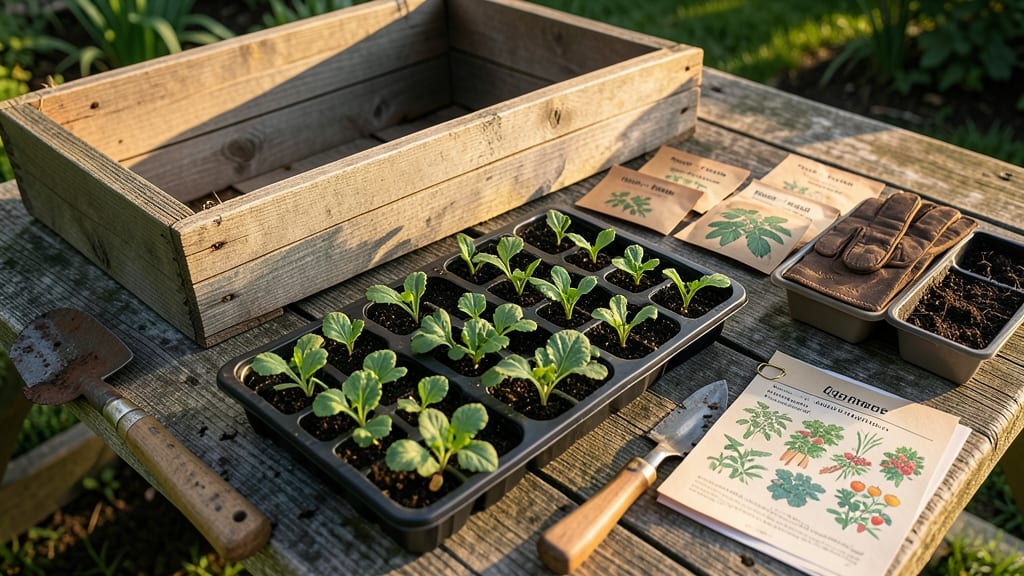
Planting your garden in Arkansas at the right time means the difference between a bountiful harvest and a frost-nipped disappointment.
Arkansas gardeners know timing is everything—plant too early, and frost will ruin your hard work; too late, and you’ll miss peak harvests. This 2024 guide breaks down Arkansas’ last-frost dates by county so you can plan your garden with confidence.
With three distinct USDA zones across the state, cool-season crops like lettuce and peas thrive in early spring, while tomatoes and peppers need the warmth of late April or May.
Below, I’ll walk you through the exact planting windows for your region, plus tips for adjusting to Arkansas’ unpredictable frost patterns and extending your growing season.
Arkansas last-frost dates by County: when to plant vegetables and flowers
Understanding Arkansas’ last-frost dates is the first step to a successful garden. The state spans USDA Zones 6-8, creating distinct planting windows from the Ozark Mountains to the Mississippi Delta.
Warm-season crops like tomatoes and peppers need soil temperatures above 60°F, while cool-season crops like lettuce and spinach thrive when planted 4-6 weeks before the last frost.
I’ve organized this guide by Arkansas’ three key growing zones—North, Central, and South
For example, Benton County in Northwest Arkansas often sees frost until April 15, while Chicot County in the Delta may be frost-free by March 10. Use this data to schedule your warm-season transplants and cool-season succession plantings. Below is a detailed county-by-county breakdown of Arkansas’ last-frost dates, categorized by zone. I’ve also included actionable planting windows for key crops, so you can start seeds indoors or direct-sow at the perfect time. Remember, these dates are averages—always monitor your local weather forecasts and prepare for late frosts, especially in elevated areas like the Ozarks. For warm-season crops like tomatoes, peppers, and squash, wait until 2 weeks after your county’s last-frost date to transplant seedlings. Cool-season crops such as broccoli, carrots, and peas can handle light frosts and should be planted 4-6 weeks before the last frost. Herbs like basil and cilantro prefer warm soil, so plant them after Memorial Day in most of Arkansas. Arkansas’ diverse geography means last-frost dates can vary by 10-14 days between counties. For example, Northwest Arkansas (like Benton County) often sees frost into mid-April, while the Delta region (like St. Francis County) may be frost-free by mid-March. These differences impact when you should plant heat-sensitive crops like tomatoes and peppers. Even with average frost dates, late frosts can still occur in April or May, especially in higher elevations. I’ve learned to use row covers and cold frames to extend my growing season by 2-4 weeks for early plantings. This is especially critical for tomatoes, which need soil temperatures above 60°F to germinate properly. ⚠️ WARNING: Late Frost Risks in Arkansas ⚠️
To calculate your safe planting window, subtract 14 days from your average last-frost date for cool-season crops like lettuce and spinach. For warm-season crops, wait until soil temperatures reach 65°F—typically mid-April in the Delta but late April in the Ozarks. I use a soil thermometer to monitor this, as it’s more reliable than air temperature. For tomatoes and peppers, I recommend starting seeds indoors 6-8 weeks before your last frost date. In Benton County, that means mid-February for early varieties, while in Lee County, you can start as early as late January. Hardening off seedlings is crucial—spend 7-10 days gradually exposing them to outdoor conditions to avoid transplant shock. If you’re in a high-risk frost zone, consider using black plastic mulch to warm soil faster. This can shave 1-2 weeks off your planting timeline for crops like cucumbers and squash. I’ve also had success with straw bale gardens, which heat up quickly and allow for earlier plantings in cooler microclimates. Always check your local Cooperative Extension Service for year-specific updates, as weather patterns shift. For example, 2023’s late frost in Washington County delayed plantings by 3 weeks for many gardeners. Stay flexible, and don’t hesitate to use season extenders to maximize your growing season! 🌱
Zone
Counties
Avg. Last Frost
Warm-Season Planting Window
Cool-Season Planting Window
North
Benton, Washington, Madison, Newton
April 15–April 25
May 1–May 15
March 1–March 15
North
Crawford, Franklin, Sebastian
April 10–April 20
April 25–May 10
February 28–March 10
Central
Pulaski, Saline, Faulkner, Lonoke
March 25–April 5
April 15–April 30
February 15–February 25
Central
Garland, Hot Spring, Drew, Grant
March 20–March 30
April 10–April 25
February 10–February 20
South
Arkansas, Desha, Phillips, Lee
March 5–March 15
March 25–April 10
January 20–February 5
South
Chicot, St. Francis, Miller, Cleveland
March 1–March 10
How to adjust planting dates for Arkansas’ microclimates and frost risks