
Light Requirements
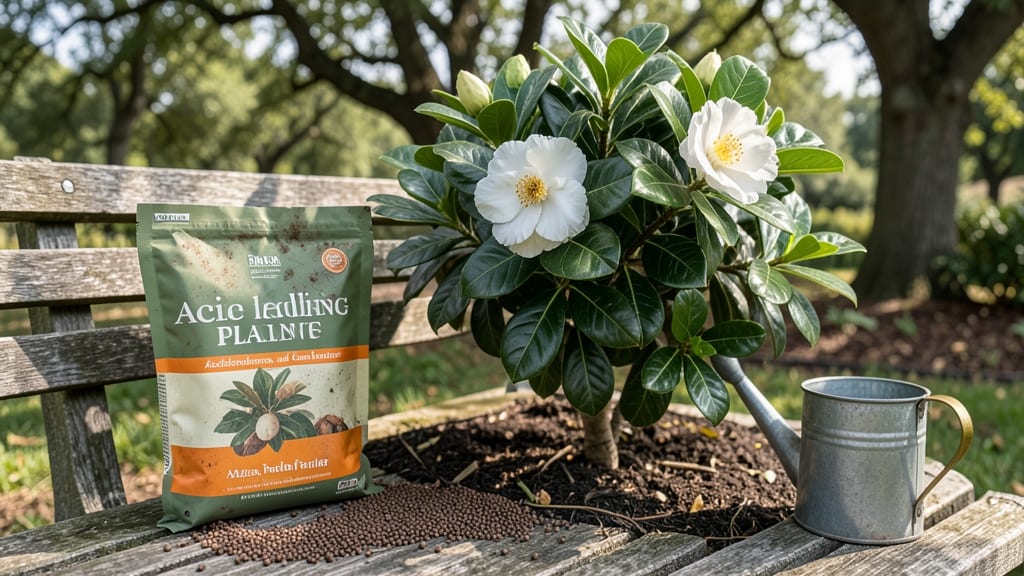
To grow gardenias with lush, fragrant blooms, you need to meet their fertilizer requirements—and the wrong approach can turn your plant into a sad, leafy shadow.
Picture this: your gardenia 🌸 sits in a pot, its glossy leaves wilting just as the buds form, while the neighbors’ plants burst with creamy-white blooms. The difference? Their soil stays acidic, and they feed their plants with the right nutrients at the right time.
Gardenias aren’t picky, but they are particular—skip the basics, and you’ll end up with yellowing leaves and no flowers.
Here’s the secret: a balanced, acid-loving fertilizer applied in spring and summer, paired with soil that stays moist but never soggy.
I’ll walk you through the exact pH range, the best organic and synthetic options, and how to spot when you’re over- or under-feeding—because even the most devoted gardener can get it wrong.
Ready to turn your gardenia from struggling shrub to showstopper? Let’s fix your soil, pick the right fertilizer, and keep those blooms coming all season long.

Optimal soil pH and fertilizer types for gardenias
Your gardenia’s glorious blooms and lush foliage depend on two critical factors: acidic soil and the right fertilizer. These tropical shrubs demand a pH range of 4.5–6.0—any higher, and they’ll struggle to absorb essential nutrients like iron and magnesium.
Without proper soil conditions, you’ll notice yellowing leaves, stunted growth, or—worst of all—fewer fragrant flowers. Let’s dive into how to create the perfect environment for your gardenia’s nutritional needs.
First, understand that gardenias are acid-loving plants, meaning they thrive in soil that’s naturally low in pH. Most garden centers sell acid-loving plant fertilizers with an NPK ratio like 10-10-10 or 8-3-9, but the real magic happens when you pair this with the right soil amendments.
Organic options like peat moss, pine bark fines, or composted pine needles can naturally lower pH while improving soil structure. For synthetic solutions, look for ammonium sulfate or sulfur-based fertilizers designed to acidify soil.
Testing your soil’s pH is the first step. Grab a digital pH meter or home soil test kit (available at garden centers for under $10). Simply insert the probe into moist soil or follow the kit instructions. If your reading is above 6.0, don’t panic—you can adjust it naturally.
For every 1.0 pH point too high, add 1 pound of elemental sulfur per 100 square feet and work it into the top 6 inches of soil. Water thoroughly, and retest in 4–6 weeks. Patience is key here; drastic changes can harm your gardenia’s roots.
Now, let’s talk fertilizer types. Organic options like fish emulsion, blood meal, or cottonseed meal provide slow-release nutrients and improve soil health over time. Synthetic fertilizers, on the other hand, offer quick results but require more frequent applications.
For gardenias, I recommend a balanced fertilizer with micronutrients, especially iron and magnesium, which are crucial for preventing yellowing leaves. Look for labels that mention chelated iron or Epsom salt (magnesium sulfate)—these are gardenia lifesavers.
Here’s a quick comparison of organic vs. synthetic fertilizers for gardenias to help you decide which route works best for your garden:
When applying fertilizer, timing is everything. Start in early spring as new growth begins, and continue every 4-6 weeks through summer. Avoid fertilizing in fall or winter, as gardenias enter dormancy and don’t need extra nutrients.
For potted gardenias, use half the recommended dose to prevent root burn from salt buildup. Always water your plant thoroughly after fertilizing to help nutrients absorb into the soil and prevent leaf scorch.
Watch for signs of nutrient deficiencies. Yellow leaves with green veins? That’s a classic sign of iron deficiency, which is common in alkaline soil. Apply a chelated iron supplement and retest your soil pH. Brown spots on leaves or stunted growth?
You might be over-fertilizing. Flush the soil with water to leach out excess salts, and cut back on applications. The goal is to feed your gardenia just enough to encourage lush, fragrant blooms without overwhelming its delicate system.
For extra care, mix Epsom salt (magnesium sulfate) into your watering routine once a month during the growing season. This simple trick can prevent yellowing leaves and keep your gardenia’s foliage vibrant.
Use 1 tablespoon per gallon of water, and apply it to the soil—not the leaves—to avoid leaf burn. Pair this with a mulch layer of pine bark around your gardenia’s base to retain moisture and slowly acidify the soil over time.
Remember, gardenias are tropical plants at heart, so they appreciate a little extra TLC. By maintaining the right soil pH and feeding
Step-by-step fertilizing schedule for maximum blooms
If your gardenia isn’t blooming like it should, your fertilizing routine might be the culprit. These acid-loving shrubs need precise nutrition timing to produce those fragrant white flowers. The key is feeding them at the right times—too much or too little can stunt growth or cause yellow leaves.
Let’s break down the perfect seasonal schedule to keep your gardenia thriving.
First, always use a balanced, acid-based fertilizer with an NPK ratio of 10-10-10 or similar. Gardenias also need micronutrients like iron and magnesium, so look for a formula designed for acid-loving plants.
Apply fertilizer in the early morning to avoid burning roots and give nutrients time to soak in before the heat of the day.
🌱 Seasonal Fertilizing Steps
- 🌿 Early Spring (March-April): Start fertilizing as new growth begins. Use 1 tbsp of fertilizer per plant, mixed into the top 2 inches of soil. This kickstarts blooming season and supports root development.
- ☀️ Late Spring to Early Summer (May-June): Apply fertilizer every 4-6 weeks during active growth. Reduce to half-strength applications to prevent over-fertilization, which can cause leaf burn or stunted blooms.
- 🌞 Mid-Summer (July-August): Switch to light feedings every 6-8 weeks. Gardenias need less fertilizer as temperatures rise, or they may produce weak, leggy growth instead of flowers.
- 🍂 Fall (September-October): Stop fertilizing entirely 6-8 weeks before the first frost. This allows your gardenia to harden off and prepare for dormancy without encouraging late-season growth that won’t survive winter.
- ❄️ Winter (November-February): No fertilization is needed. Gardenias are dormant and won’t benefit from nutrients. Focus instead on protecting them from cold snaps with mulch or frost cloth.
Pro Tip: Always water your gardenia thoroughly before and after fertilizing to help nutrients absorb and prevent root burn.
Watch for signs of nutrient deficiencies like yellowing leaves (often a sign of iron deficiency) or slow growth. If you notice these, adjust your fertilizer type or frequency.
For example, if leaves turn yellow between the veins, your gardenia needs more iron—try an iron chelate supplement or switch to an acid-loving plant fertilizer with added micronutrients.
Over-fertilizing is just as harmful as under-fertilizing. If your gardenia’s leaves turn brown or crispy at the edges, you’re likely overdoing it. Flush the soil with water to leach out excess salts, and cut back on fertilizer for a few months.
Always follow the package instructions for application rates, and remember: less is often more with gardenias.
With this seasonal fertilizing schedule, your gardenia will reward you with lush foliage and abundant blooms year after year. The key is consistency—stick to the routine, and your tropical beauty will thrive in your garden or patio container.