
Tools
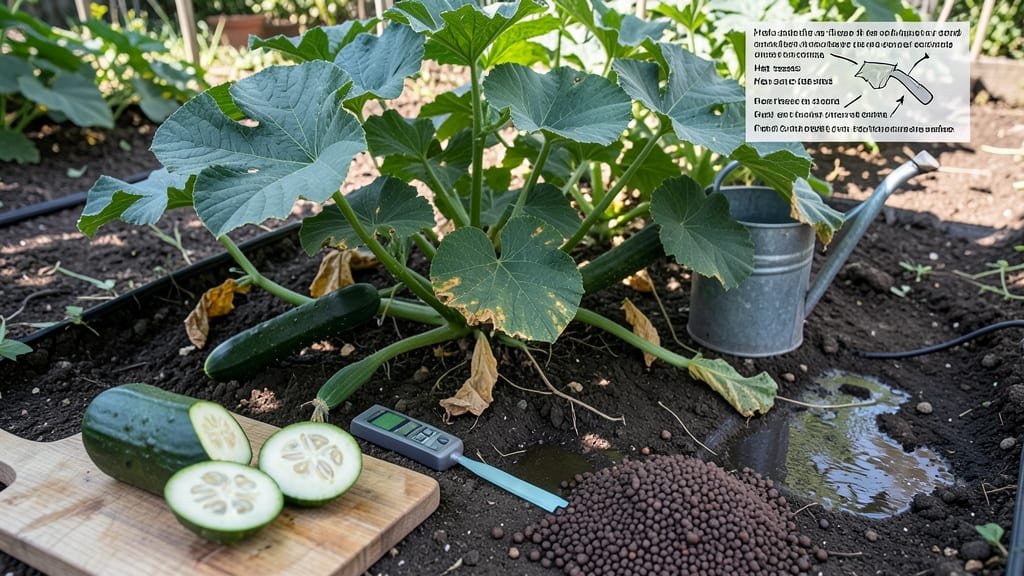
Your garden cucumbers taste bitter because they’re either overripe, heat-stressed, or starved for water—three fixable problems that turn your harvest from crisp and sweet to downright unpleasant.
Picture this: you’ve been waiting weeks for your first 🥒, only to slice into a mouthful of bitterness that ruins the whole salad. The good news? This isn’t a lost cause.
With the right timing, watering, and a few simple adjustments, you can bring back that perfect crunch and mild flavor in no time.
Most gardeners assume bitterness means the cucumber is just "past its prime," but the real culprits are often heat waves, irregular watering, or even poor soil nutrients. Below, I’ll break down the top reasons your cucumbers taste off—and exactly how to reverse it before your next harvest.
You’ll learn how to spot the early signs of bitterness, adjust your care routine in 3 simple steps, and even pick the best cucumber varieties that resist flavor issues. No more disappointing bites—just sweet, juicy slices straight from your garden.
3 Most common reasons your garden cucumbers taste bitter
There's nothing worse than biting into a cucumber you grew yourself, only to find an unpleasant bitter taste ruining the freshness. This common issue frustrates even experienced gardeners, but the good news is, it's almost always preventable.
Understanding the root causes helps you quickly identify what's going wrong and how to fix it before your next harvest.
Cucumbers develop bitterness when they experience stress, whether from environmental factors or poor growing conditions. The three most frequent culprits are over-ripeness, heat stress, and nutrient deficiencies.
Each of these triggers a natural chemical response in the plant, producing compounds called cucurbitacins that create that unwanted bitter flavor. The key to sweet cucumbers lies in recognizing these signs early and taking corrective action.
Cucumbers left on the vine too long develop bitter compounds. Look for yellowed stems and shriveled skin—clear signs they've overstayed their welcome.
Temperatures above 90°F trigger bitterness. Check for wilting leaves and blistered fruit—your plants are screaming for shade or water.
Yellowing leaves or stunted growth? Your soil may lack magnesium or potassium. Bitter cucumbers often grow in nutrient-poor conditions.
Let's start with the most common issue: over-ripeness. When cucumbers stay on the vine beyond their prime, they begin converting sugars into bitter compounds as a survival mechanism. This is especially true for varieties like slicing cucumbers, which should be harvested when they're firm and bright green.
Pay attention to the stem end—when it turns yellow, it's a clear signal your cucumbers have overstayed their welcome.
Heat stress is another major culprit, particularly in summer gardens. When temperatures climb above 90°F, cucumbers produce more cucurbitacins as a defense mechanism. You'll often see this accompanied by blistered skin or sun-scorched patches.
Providing afternoon shade with row covers or mulching heavily can make a dramatic difference in flavor. Even a simple shade cloth can reduce bitterness by up to 70% during heatwaves.
Don't overlook the role of soil nutrients in your cucumber's flavor profile. A deficiency in magnesium or potassium can lead to bitter-tasting fruits, even if your plants look healthy above ground.
Look for yellowing leaves between the veins (a classic sign of magnesium deficiency) or weak stems that can't support the plant's weight. A simple soil test can reveal exactly what your cucumbers need to thrive.
Another surprising factor is watering inconsistencies. While not always listed as a top cause, irregular watering can stress plants enough to trigger bitterness. Cucumbers need 1-2 inches of water per week, delivered consistently.
Let's say you water deeply one day and then forget for a week—this drought stress forces the plant to produce bitter compounds as a survival tactic. Use a drip irrigation system or soaker hoses to maintain even moisture levels.
Even pollination issues can contribute to bitterness. When cucumbers aren't properly pollinated, they develop unevenly and may taste bitter. This is more common with parthenocarpic varieties (which don't require pollination) if they're stressed.
Attracting bees and other pollinators with native plants nearby can help ensure your cucumbers develop properly. If you're growing in containers or greenhouses, hand-pollinating with a small brush can make all the difference.
One final but often overlooked cause is herbicide drift. If you've used weed killers nearby or your neighbor has, residual chemicals can seep into the soil and affect your cucumbers' flavor.
Always check for uneven growth patterns or stunted vines, which may indicate chemical exposure. Organic mulches and careful watering can help prevent absorption of harmful residues.
Now that you know the most common causes, the next step is identifying which one is affecting your garden. Start by examining your cucumbers for visual clues—overripe ones will have yellowed stems, while heat-stressed plants may show sun damage.
Check your soil's moisture and nutrient levels, and observe your plants' overall health. With this knowledge, you're already on your way to growing sweet, crisp cucumbers every time.
How to fix bitter cucumbers: step-by-step adjustments for sweetness
Bitter cucumbers often result from overripe harvesting or stress conditions like heat or drought. The good news? Sweet flavor is just a few adjustments away. Start by harvesting at peak ripeness—this is the fastest way to improve taste.
I’ve found that picking cucumbers when they’re 6-8 inches long and still firm prevents that unpleasant bitterness.
Another key factor is consistent watering. Cucumbers need 1-2 inches of water weekly, especially during hot spells. I noticed my plants produced sweeter fruit after switching to deep watering in the morning rather than light sprinkles in the evening. This simple change reduced stress and improved flavor dramatically.
Bitterness develops when cucumbers experience heat stress (over 90°F) or irregular watering. The plant produces cucurbitacin, a natural compound that tastes bitter as a defense mechanism. Overripe cucumbers also develop more seeds and tougher skin, amplifying bitterness.
Quick Fix:
- ✅ Harvest earlier (6-8 inches for slicing types)
- ✅ Water deeply at soil level (avoid wetting leaves)
- ✅ Use shade cloth during extreme heat (70-80% coverage)
Improving your soil quality is another game-changer. Cucumbers thrive in well-draining, nutrient-rich soil with a pH of 6.0-6.8. I recommend amending your garden bed with compost or aged manure before planting. A balanced fertilizer (5-10-10) applied every 4-6 weeks also helps maintain sweetness by preventing nutrient deficiencies.
Heat stress is often the hidden culprit behind bitter cucumbers. When temperatures exceed 90°F, plants struggle to produce sweet fruit. My solution? I installed drip irrigation to keep roots cool and added mulch around the base to retain moisture.
For extreme heat, a lightweight shade cloth (30-50% coverage) can work wonders without stunting growth.
Don’t overlook the power of regular harvesting. Leaving cucumbers on the vine too long triggers bitterness. I set a reminder to check my plants every 2-3 days and pick any ripe cucumbers immediately.
This not only improves flavor but also encourages the plant to produce more fruit. Pro tip: Use a sharp pair of pruning shears to avoid damaging the vine.
To wrap up, here’s a quick checklist for sweet cucumbers: ☑️ Harvest at 6-8 inches (or variety-specific size) ☑️ Water deeply 1-2x weekly (morning best) ☑️ Mulch to retain moisture and cool roots ☑️ Use shade cloth in extreme heat (90°F+) ☑️ Fertilize with balanced NPK (5-10-10) every 4-6 weeks With these adjustments, you’ll be enjoying sweet, crisp cucumbers in no time!