
Tools
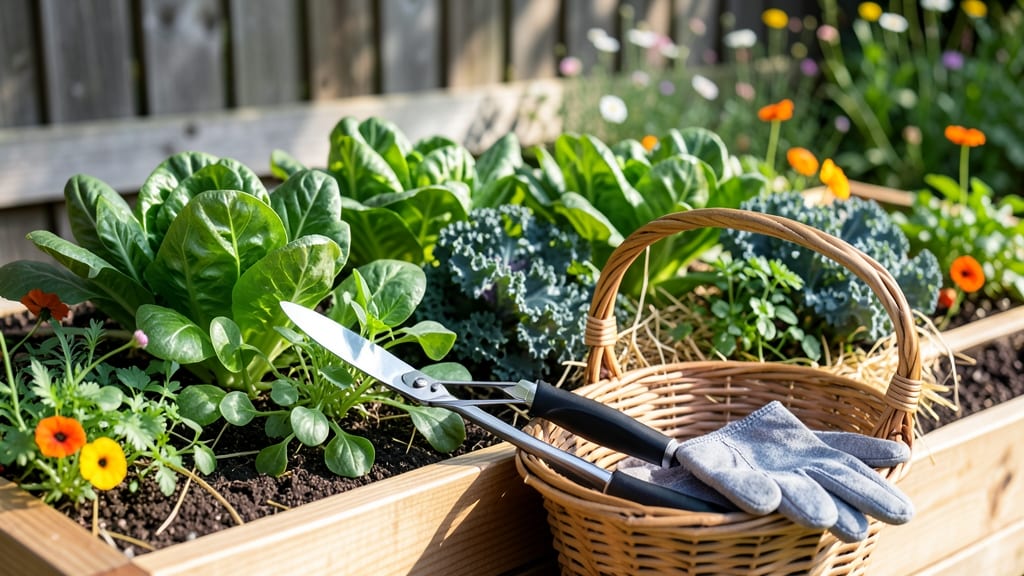
A garden fresh salad shines brightest when you harvest ingredients at their flavor peak—leafy greens like spinach and arugula should be crisp and vibrant, while tomatoes and cucumbers should yield slightly to gentle pressure. Store them in breathable containers lined with paper towels to maintain moisture balance, and use within 3-5 days for the freshest taste and texture.
A garden fresh salad's flavor depends on timing and handling.
Leafy greens like kale and butter lettuce reach their sweetest when fully mature but still tender, while herbs like basil and cilantro should be harvested just before flowering for maximum potency. 🌿 The secret lies in their natural sugars—harvesting at the right moment prevents bitterness and ensures crispness.
For storage, I recommend using perforated containers or breathable bags to prevent condensation, which can accelerate spoilage. A quick rinse in cold water before storing also removes dirt without stripping essential oils that contribute to flavor.
Temperature plays a crucial role too—most greens thrive in 35-40°F conditions, while tomatoes prefer slightly warmer 55-60°F storage. If you're prepping ahead, consider washing and drying ingredients thoroughly, then storing them in airtight containers with a damp paper towel to maintain humidity.
For longer shelf life, freezing washed and dried greens in portions works well for heartier varieties like spinach or kale.
💡 In This Article
- When and How to Harvest Salad Ingredients for Maximum Flavor
- Best Practices for Storing Garden Salad Greens Longer
When and how to harvest salad ingredients for maximum flavor
Leafy greens like spinach and arugula reach their peak flavor when harvested at the right maturity stage—typically when leaves are fully expanded but still tender. The key is to pick them before they develop tough stems or bitter flavors, which occur as plants shift energy into seed production.
For example, spinach leaves should be about 3-4 inches long with deep green color, while arugula's leaves should be crisp and slightly peppery, not woody. 🌱 The science behind this is simple: younger leaves contain higher concentrations of natural sugars and lower levels of oxalates (compounds that contribute to bitterness).
Herbs like basil and cilantro have different cues—harvest them just before flowering when their essential oil production peaks. For basil, pinch off the top sets of leaves when the plant reaches about 6 inches tall, encouraging bushier growth.
Cilantro, on the other hand, should be harvested when stems are about 10-12 inches tall but before yellow flowers appear, as this triggers bolting (rapid flowering) and bitterness. The tactile test is crucial here: gently squeeze stems—if they snap easily, they're ready for harvest.
Tomatoes and cucumbers should yield slightly to gentle pressure, indicating they've reached ideal ripeness. For tomatoes, this means a slight give when pressed near the stem end, with color changing from green to vibrant red (or yellow for heirloom varieties).
Cucumbers should feel firm but not rock-hard, with a thin, tender skin. The reason for this is ethylene gas production—tomatoes release more ethylene as they ripen, softening the fruit and concentrating sugars, while cucumbers develop their signature crunch when cell walls are fully hydrated but not overripe. 🍅
Morning is the best time to harvest because dew has evaporated, reducing moisture on leaves, and temperatures are cooler, preserving crispness. Avoid harvesting after rain, as excess moisture can lead to fungal growth during storage.
For leafy greens, use clean, sharp scissors or pruning shears to cut stems at the base rather than pulling leaves—this prevents damage to the plant's root system and encourages regrowth. For tomatoes and cucumbers, twist gently at the stem or use pruners to avoid tearing the fruit.
What most people don't realize is that harvesting at the right time isn't just about taste—it's about preserving nutrients too. For instance, vitamin C levels in spinach peak just before leaves turn yellow, while antioxidants in tomatoes increase as they ripen on the vine.
By harvesting at the optimal moment, you're not only maximizing flavor but also ensuring your salad ingredients retain their nutritional benefits. The difference between a mediocre and exceptional salad often comes down to these subtle timing details. ✨