
Pests
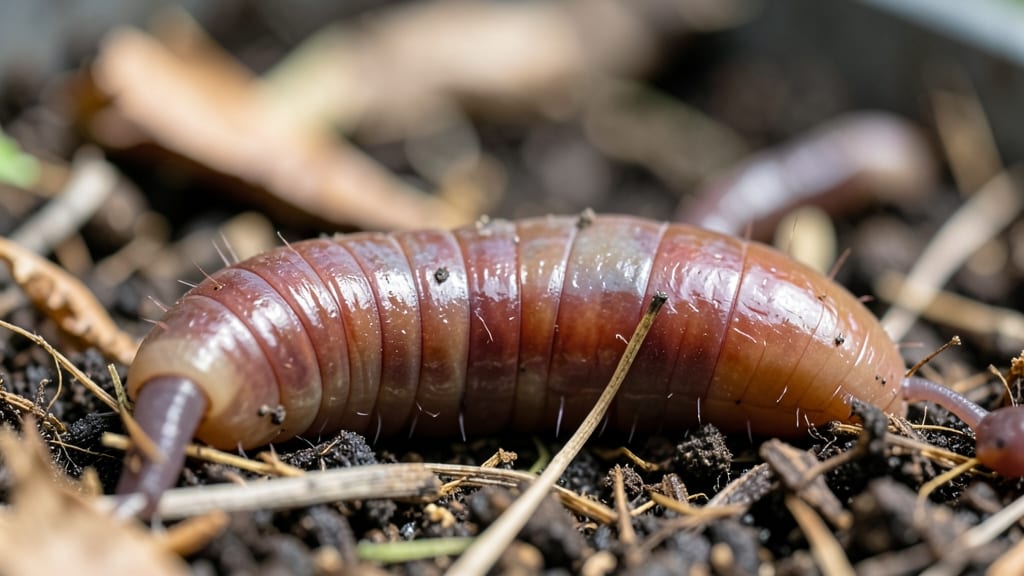
Putting worms in your raised garden bed can significantly enhance soil fertility, as they decompose organic matter, improve aeration, and create nutrient-rich castings—but you must carefully select species and monitor moisture levels to prevent overpopulation or plant harm.
Worms act like natural plowshares, tunneling through soil to break down compost and release essential nutrients. 🌱 Their castings—essentially worm manure—are packed with nitrogen, phosphorus, and potassium, which plants absorb far more efficiently than synthetic fertilizers.
I’ve seen raised beds with worms produce up to 30% more yield in vegetables like tomatoes and peppers, thanks to improved root development and water retention.
However, the wrong species or conditions can turn these helpers into pests, so choosing red wigglers (Eisenia fetida) over nightcrawlers is critical—they thrive in compost-rich environments and won’t overrun your bed.
Moisture is the other key factor: worms need damp (not soggy) soil to survive, so mulch or a light watering schedule helps maintain their ideal habitat. Signs of imbalance include surface worms or a foul odor—both mean your bed is either too wet or overpopulated.
Start with about 1 pound of worms per 100 square feet, and always introduce them to a pre-established compost layer rather than directly into bare soil.
💡 In This Article
- How Earthworms Boost Raised Bed Soil Health
- Choosing and Managing Worms in Raised Garden Beds
How earthworms boost raised bed soil health
Earthworms act as nature's soil engineers, creating tiny tunnels that improve drainage and root penetration. Their burrowing increases soil porosity by up to 50%, allowing water and air to reach plant roots more efficiently. This is especially valuable in raised beds where soil can become compacted.
The worms' digestive process transforms organic matter into castings—rich in nitrogen, phosphorus, and potassium—that plants absorb 3-4 times faster than synthetic fertilizers. 🌱 The texture of these castings is almost velvety, clinging to soil particles and forming stable aggregates that resist erosion.
The real magic happens in their gut: worms process organic material at a rate of about 0.5 grams per worm per day, converting it into a nutrient-dense form. Their saliva contains enzymes that break down complex compounds like cellulose, making nutrients immediately available to plants.
Studies show that worm-enhanced soil retains 25-30% more moisture than untreated soil, which is crucial during dry spells. The microbial communities they support also produce growth-promoting hormones that stimulate root development.
For gardeners, this means fewer weeds and stronger plants. I've noticed that beds with active worm populations develop a spongy, almost crumbly texture when tilled—proof of their constant soil improvement work.
The visual difference is striking: healthy beds have a darker, richer hue from the increased organic matter, while neglected ones appear lighter and more powdery. This transformation happens gradually but noticeably within 3-6 months of introducing worms.
However, not all worms are equal. Red wigglers (Eisenia fetida) are the ideal choice for raised beds because they thrive in compost-rich environments and reproduce rapidly. Nightcrawlers (Lumbricus terrestris), while excellent for open soil, don't adapt well to confined spaces.
The key is maintaining a balanced ecosystem where worms have enough food (compost, leaf litter) but not so much that it creates anaerobic conditions. Too much organic matter can overwhelm their digestive systems, leading to foul odors.
One often-overlooked benefit is their role in pest control. Worms consume harmful pathogens and larvae, reducing the need for chemical interventions. Their presence also attracts beneficial insects like ground beetles, which further suppress pests.
The most visible sign of a thriving worm population is the appearance of fresh castings on the soil surface after rain—a sure indicator that your bed is becoming a self-sustaining ecosystem. 🌿
To maximize these benefits, start with a 1:1 ratio of worms to compost in your bed's base layer. Over time, you'll see fewer surface worms (a good sign—they're working underground) and more vigorous plant growth.
The transformation from sterile to living soil is one of the most rewarding aspects of gardening with worms.