
Flowers
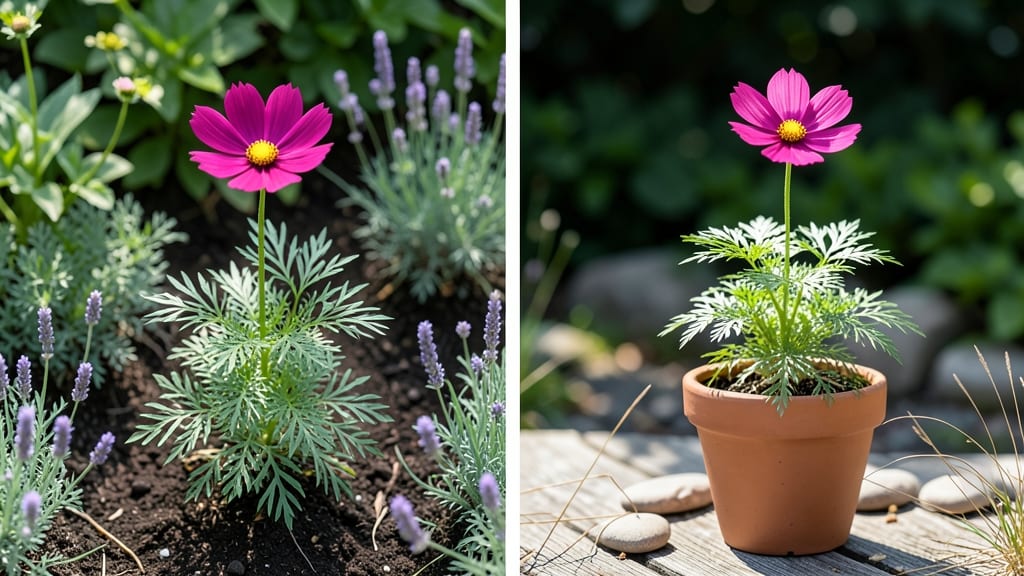
'Sisters are the same flowers from a different garden' captures how identical plants—whether clones or offspring from the same parent—retain fundamental traits like hue, fragrance, and growth habits while adapting to unique environments.
This poetic comparison highlights nature's fascinating balance between genetic consistency and environmental influence. 🌸 When you plant genetically identical flowers in different gardens—say, a sun-drenched border versus a shaded woodland—their core characteristics remain recognizable, yet their growth patterns may vary subtly.
For example, roses from the same cutting might bloom earlier in a warmer microclimate but develop deeper colors in cooler areas. The phrase beautifully illustrates how botanical 'sisters' maintain their essence while embracing their surroundings.
The concept extends beyond just visual similarities. Epigenetics plays a role too—while the DNA remains identical, environmental stressors like soil pH or water availability can trigger temporary variations in leaf shape or flowering time.
This is why gardeners often notice that 'identical' plants never look exactly alike, yet you'd still recognize them as family.
💡 In This Article
- Botanical Science Behind Identical Flowers in Different Gardens
- Garden Design Tips Using Genetic Plant Twins
Botanical science behind identical flowers in different gardens
At the heart of this poetic phrase lies the science of plant genetics and epigenetics. When flowers are genetically identical—whether through cloning or seeds from the same parent—their foundational traits like petal color (determined by anthocyanin pigments) and growth habit (encoded in DNA) remain consistent.
For example, a peony grown from a cutting will always produce double-layered blooms with similar fragrance profiles, regardless of where it's planted. The genetic blueprint acts like a master template that ensures these core characteristics persist across generations or clones.
However, environmental factors introduce fascinating variations. Sunlight exposure alters chlorophyll production, causing leaves to darken in full sun or lighten in shade. Soil composition affects nutrient uptake—calcium-rich soil might produce sturdier stems, while acidic soil could enhance certain flower colors.
Temperature variations influence blooming times: roses from the same cutting may flower 2-3 weeks earlier in a 90°F climate versus a 65°F one. These adaptations occur without changing the plant's DNA, demonstrating nature's remarkable ability to maintain identity while responding to context.
The role of epigenetics adds another layer. While the genetic code remains identical, environmental stressors can modify how genes are expressed. A drought might trigger thicker cuticles in leaves, while abundant water could promote lush foliage.
These temporary changes don't alter the DNA but create the subtle differences that make each plant unique within its garden ecosystem. For instance, two genetically identical lavender plants might develop slightly different oil compositions based on their local rainfall patterns, affecting their scent intensity.
Consider the classic example of hyacinths grown from bulbs. Whether planted in a container garden or woodland shade, their purple-blue flowers will maintain their signature fragrance, but their height and branching patterns may vary dramatically.
The container-grown specimen might reach 12-18 inches with tighter blooms, while the woodland plant could stretch to 20 inches with more open clusters due to reduced competition. This demonstrates how identical genetic material produces harmonious variations when exposed to different growing conditions.
What makes this phenomenon particularly striking is how these environmental adaptations occur within strict biological constraints. While a rose might bloom earlier in warm climates, it won't develop orange petals if its genetic code specifies pink—just deeper or paler shades.
The 1:2:1 phenotypic ratio seen in Mendelian inheritance provides a mathematical framework for understanding these predictable variations. This balance between consistency and adaptability is what allows gardeners to create cohesive designs while embracing the natural diversity that emerges from identical genetic starting points.
For the curious gardener, this science explains why your grandmother's prize-winning peonies might produce slightly different blooms in your urban courtyard versus her rural garden.
The core beauty remains recognizable, but the environmental context paints each plant with its own subtle variations—a botanical family portrait where each sister wears her garden's unique colors.