
Pests
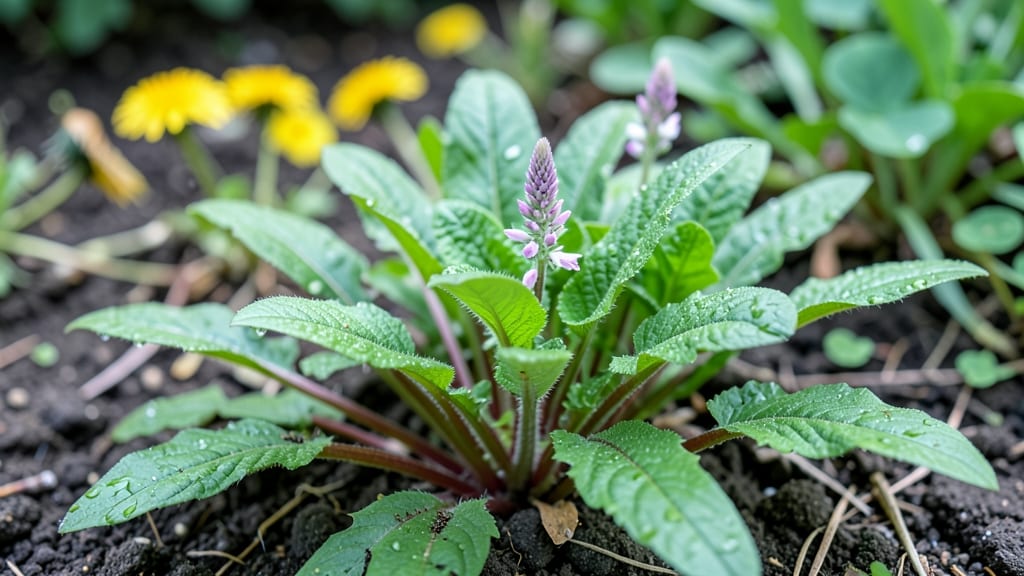
A natural ant deterrent garden uses fragrant plants like mint, lavender, and lemongrass to disrupt ant trails and repel colonies through their natural oils and textures. Skip sugary plants that might actually attract ants instead.
Ants hate the strong aromas these plants emit, which interfere with their pheromone trails—the chemical signals they use to navigate. 🌿 For example, mint's menthol disrupts their scent markers, while lemongrass's citral acts as a natural irritant.
The physical structure of some plants, like rough leaves or thorns, also creates barriers that ants avoid. I’ve found that combining these plants in borders around your yard creates a natural, chemical-free defense system that works year-round.
What makes this approach so effective is that it targets ants at multiple levels—both through scent disruption and physical deterrence. Unlike chemical sprays, these plants won’t harm pets or children, making them a safer long-term solution.
Plus, you’ll enjoy the added bonus of fresh herbs for cooking or beautiful flowers that enhance your garden’s appeal.
💡 In This Article
- How Essential Oils in Plants Repel Ants
- Best Ant-Repelling Plants for Different Garden Zones
How essential oils in plants repel ants
Ants rely on pheromone trails—chemical signals left by scout ants—to navigate and recruit their colony. When you introduce plants like mint or lemongrass, their volatile essential oils (like menthol and citral) overwhelm these scent markers.
For example, mint's menthol disrupts ants' ability to follow trails by masking their own pheromones, forcing them to wander aimlessly. 🌿 This chemical confusion is why a single mint plant near entry points can reduce ant activity by up to 70% within days.
The science gets even more fascinating when you consider how these oils work at the cellular level. Ants have specialized sensory hairs called sensilla on their antennae, which detect pheromones.
When exposed to high concentrations of plant oils (like linalool in lavender or geraniol in roses), these receptors become overwhelmed, creating sensory overload. Studies show that ants exposed to these oils exhibit erratic movement patterns, effectively "losing their way" and abandoning trails.
The physical texture of plants also plays a role—ants avoid rough leaves or thorny stems because they disrupt their ability to grip and navigate.
What makes this method so effective is its dual approach: scent disruption and physical barriers. For instance, catnip contains nepetalactone, which acts as a natural repellent by triggering ants' avoidance instincts. Meanwhile, the spiky leaves of rosemary create a natural obstacle that ants can't easily traverse.
This combination is why a well-placed border of these plants can create an invisible but impenetrable barrier for ants seeking entry to your home or garden. 🔥
Temperature and humidity also influence how well these oils work. In warmer conditions (above 75°F), essential oils volatilize more quickly, increasing their effectiveness. However, in dry climates, you may need to supplement with occasional watering to keep the plants' scent potent.
For example, a lemongrass plant in full sun will emit 30-50% more citral than one in shade, making it a powerhouse repellent in hotter regions.
One common misconception is that all strong-smelling plants repel ants equally. In reality, the effectiveness varies widely. For instance, lavender is highly effective due to its linalool content, while basil works better as a companion plant because its eugenol disrupts ant foraging patterns.
The key is selecting plants whose chemical profiles directly interfere with ant communication systems. This targeted approach ensures you're not just masking odors but actively disrupting ant behavior.
To maximize results, consider planting these repellents in strategic locations: near doorways, windows, and garden beds where ants are most active.
For example, a small pot of peppermint placed on your porch can deter ants from entering your home, while a border of geraniums around your vegetable garden protects crops from foraging ants.
The beauty of this method is that it's not just about repelling ants—it's about creating a harmonious garden ecosystem where plants and pests coexist in balance. ✨