
Pests
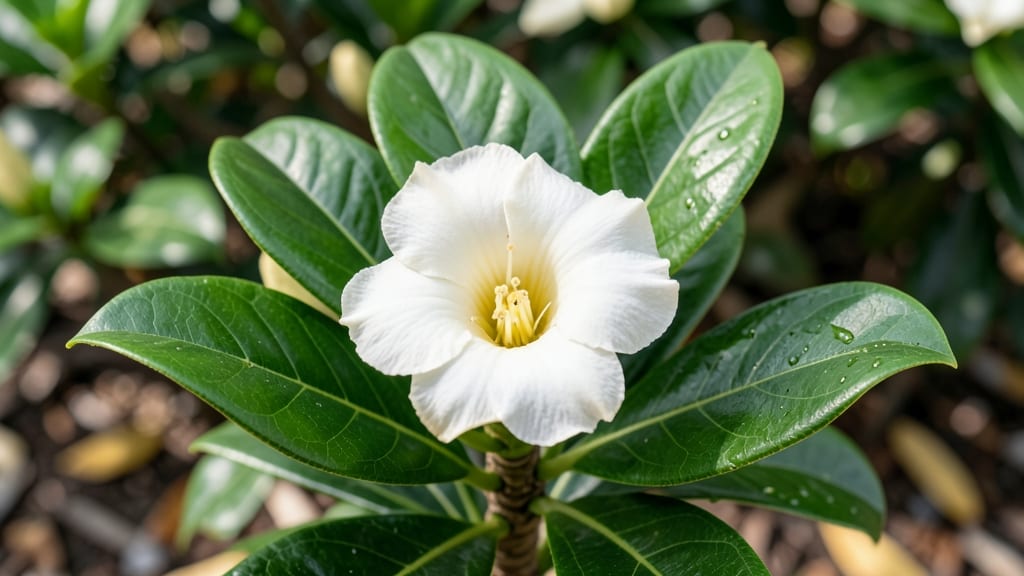
Gardenia plants are naturally deer-resistant thanks to their glossy leaves and intense fragrance, though hungry deer may still nibble when food is scarce. For complete protection, try deer-repellent sprays, companion plants, or physical barriers.
Deer tend to avoid gardenias primarily because their thick, waxy leaves and potent floral scent act as natural deterrents. 🌿 The glossy foliage feels unpleasant to touch, while the sweet, heavy perfume can overwhelm deer's sensitive noses—especially during peak blooming season.
However, when other food sources disappear, even these resilient plants become tempting targets. I've found that combining multiple strategies works best: for example, planting lavender nearby creates a layered defense, while a simple garlic-based spray adds an extra layer of protection without harming the environment.
One key factor is timing—young gardenia plants are more vulnerable, so I recommend installing temporary fencing during their first growing season. For established shrubs, a mix of visual deterrents (like reflective tape) and scent-based repellents often keeps deer at bay.
The good news? Gardenias recover well from light browsing, so even if deer take a few leaves, your plant should bounce back with proper care.
💡 In This Article
- Why Gardenias Deter Deer Naturally
- Top Natural Deer-Repellent Methods for Gardenias
Why gardenias deter deer naturally
Gardenias produce a complex blend of essential oils—particularly linalool and nerolidol—that create their signature intoxicating fragrance. These compounds aren't just pleasant to humans; they act as chemical signals that deer find overwhelming.
Studies show deer have an extraordinary sense of smell, with up to 300 million olfactory receptors (compared to our 5-6 million), making strong scents like gardenias' perfume a natural deterrent.
The waxy, leathery texture of gardenia leaves also plays a role—deer prefer tender, fresh foliage, and the thick, glossy surface feels unappealing to their mouths.
The timing of blooming matters too. Gardenias release their strongest scent during late spring to early summer, coinciding with deer's natural feeding patterns. At this peak, the fragrance can travel up to 100 feet in still air, creating an invisible barrier that discourages browsing.
However, deer are opportunistic: when preferred foods like clover or young shoots become scarce—especially in late fall or winter—they'll overcome this natural resistance and target gardenias. 🌿
Botanically, gardenias belong to the Rubiaceae family, which includes many plants deer avoid due to their alkaloid compounds—natural chemicals that can cause mild digestive upset. While gardenias aren't toxic, their combination of scent, texture, and subtle chemical properties creates a "no-go zone" for most deer.
That said, fawns or malnourished adults may still nibble, particularly if your garden lacks other vegetation during droughts or hard freezes.
Another critical factor is gardenia growth habits. Mature plants develop dense, multi-branched canopies that make them harder to access, while young seedlings remain vulnerable.
Deer typically avoid mature gardenias unless forced by hunger, but they'll happily browse new shoots or flower buds—which are more tender and scent-free until fully opened. This explains why established gardenias often survive while nearby seedlings get decimated.
For maximum protection, consider planting gardenias in clusters of 3-5 plants—the combined scent creates a stronger deterrent effect. Pairing them with rosemary or boxwood (both deer-resistant) amplifies this natural defense.
The key takeaway? Gardenias' resistance isn't absolute, but their multi-sensory defense system (scent + texture + subtle chemistry) gives them a significant advantage over deer-preferred plants like hostas or daylilies.
What most gardeners don't realize is that deer actually mark their territories by rubbing against plants with strong scents—including gardenias. This behavior leaves behind pheromones that signal to other deer, "This area is occupied."
So while your gardenias might get some leaf damage, they're also helping create a natural deer-repellent zone through this indirect mechanism. ✨