
Light Requirements
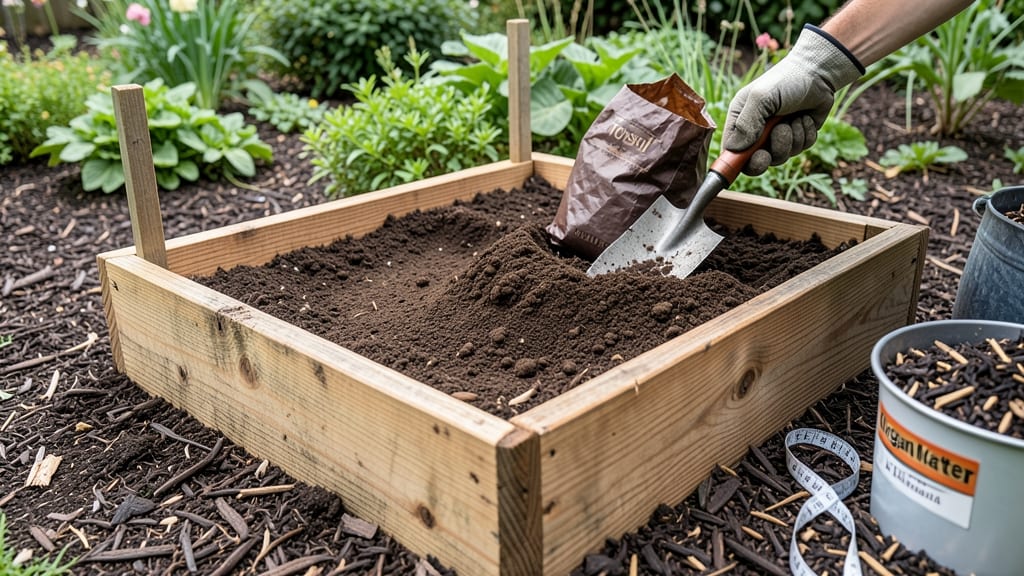
Filling a raised garden bed with the right amount of soil is the foundation for thriving plants 🌱 — aim for 6 to 12 inches deep to balance root space, drainage, and cost.
Too shallow and your carrots won’t grow straight; too deep and you’re just digging a hole in your budget. I’ve filled beds that were half the right depth and watched my tomatoes struggle to root, while my neighbor’s 12-inch-deep beds produced bushels. The difference? Science—and a little planning.
This guide breaks down the exact soil layers you need (bottom drainage, compost, topsoil), how to adjust for different plant types, and the 3 common mistakes that waste both soil and money.
Whether you’re working with a 4x8-foot bed or a tiny urban planter, you’ll leave here knowing exactly how much to buy—and how to make it last.
Ready to stop guessing? We’ll cover soil mixes, depth charts for root-happy veggies, and even how to stretch your budget without sacrificing quality. Let’s build that perfect growing space, layer by layer.
Ideal raised garden bed soil depth by plant type: root space requirements explained
When setting up your raised garden bed, one of the biggest questions is: how much soil should you actually fill it with? The answer depends entirely on what you're planting.
Shallow-rooted herbs like basil need far less depth than deep-rooted vegetables like carrots or tomatoes. Getting this right ensures your plants thrive without wasting resources or space.
Most raised beds come with walls that are 6–12 inches tall, but that doesn’t always mean you should fill them to the brim. For example, lettuce and radishes only need 6–8 inches of soil, while potatoes and asparagus demand 12+ inches to grow properly.
Let’s break down the science so you can plan your bed like a pro.
Why soil depth matters: Roots need space to spread and access nutrients. Too little soil restricts growth, while too much can lead to compacted soil or wasted materials. The key is matching your plant types to the right depth—here’s how to do it.
| Plant Type | Minimum Soil Depth | Ideal Depth | Examples |
|---|---|---|---|
| Shallow-Rooted Herbs | 4–6 inches | 6–8 inches | Basil, parsley, chives, thyme |
| Leafy Greens | 6 inches | 8–10 inches | Lettuce, spinach, kale, arugula |
| Root Vegetables | 8 inches | 10–12 inches | Carrots, radishes, beets, turnips |
| Medium-Rooted Plants | 10 inches | 12–16 inches | Peppers, onions, bush beans, strawberries |
| Deep-Rooted Plants | 12 inches | 18+ inches | Tomatoes, potatoes, asparagus, corn |
| Flowers & Perennials | 6–8 inches | 10–12 inches | Marigolds, lavender, daylilies, hostas |
For shallow-rooted herbs, 6–8 inches of soil is perfect. These plants focus their energy above ground, so they don’t need deep root zones. Basil and parsley, for example, will thrive in a thin layer of nutrient-rich soil.
If you’re growing these, you can even use container gardening with shallower beds or pots.
On the other hand, deep-rooted vegetables like tomatoes and carrots require at least 12–18 inches of soil. Tomatoes, in particular, need this depth to support their heavy foliage and produce large fruits. Without enough space, their roots will become root-bound, leading to stunted growth and poor yields.
If you’re planting a mix of vegetables and herbs, consider dividing your raised bed into sections. For example, dedicate one side to lettuce and radishes (8–10 inches deep) and the other to tomatoes and peppers (12–16 inches deep).
This way, you maximize your space without compromising on root space for any plant.
Pro tip: If your bed isn’t deep enough for deep-rooted plants, try interplanting. For instance, grow shallow-rooted radishes alongside carrots—the radishes will be harvested early, leaving room for the carrots to grow deeper. This technique is a game-changer for small spaces!
One common mistake is overfilling the bed with soil, which can lead to poor drainage and compacted soil. Always leave about 1–2 inches of space below the rim for mulch or to add more soil later.
And if you’re using a wooden raised bed, ensure the bottom layer has drainage holes to prevent waterlogging.
For flowers and perennials, aim for 10–12 inches of soil. While they don’t
Layering soil in raised beds: the perfect mix for drainage, fertility, and long-term health
Filling your raised garden bed with the right soil layers is like building a skyscraper—you need a strong foundation, balanced materials, and a finish that supports growth. A well-layered bed ensures proper drainage, nutrient retention, and root expansion for healthy plants.
Without this structure, roots suffocate, nutrients leach away, and your hard work goes to waste.
I’ve learned the hard way that dumping cheap topsoil into a raised bed won’t cut it. The secret lies in a strategic 3-layer system—each playing a critical role. The bottom layer handles drainage, the middle layer feeds roots, and the top layer provides the growing medium.
Let’s break down the science-backed ratios and materials to maximize your bed’s potential.
Soil Layering for Raised Beds: What Works Best?
🌱 Organic Layering (Best for Long-Term Health)
- ✅ Pros: Improves soil structure, retains moisture, adds nutrients naturally.
- ✅ Pros: Supports microbial life and reduces erosion.
- ✅ Pros: Cost-effective with DIY composting.
- ❌ Cons: Requires more upfront effort to source materials.
🪴 Synthetic Layering (Quick Fix for Poor Soil)
- ✅ Pros: Fast results with controlled nutrients.
- ✅ Pros: Lightweight and easy to install.
- ❌ Cons: Can harm soil biology long-term.
- ❌ Cons: More expensive and less sustainable.
Best Mix: Use 60% organic (compost, topsoil) and 40% synthetic (perlite, vermiculite) for drainage. For example, a 12-inch-deep bed should have:
- 2 inches coarse gravel or bark chips (drainage)
- 4 inches compost or well-rotted manure (fertility)
- 6 inches topsoil mixed with perlite (growing medium)
Start with a 2-inch drainage layer at the bottom using coarse gravel, bark chips, or even broken terracotta pots. This prevents waterlogging and root rot—critical for plants like tomatoes and peppers that hate soggy feet.
I’ve seen beds without drainage turn into mud pits after heavy rain, stunting growth for weeks.
Next, add a 4-inch layer of compost or well-aged manure. This isn’t just for nutrients—it improves soil structure and water retention. For a 4x8-foot bed, you’ll need about 1.3 cubic feet of compost.
Mix in a handful of worm castings for extra microbial activity, which breaks down nutrients into plant-available forms.
Top it off with 6 inches of topsoil blended with 10% perlite or vermiculite for aeration. Avoid garden center “bagged soil”—it’s often too dense and lacks organic matter.
Instead, combine 50% topsoil, 30% compost, and 20% perlite for the perfect lightweight, fertile mix. This layer is where your plants will thrive, so don’t skimp!
Avoid these common mistakes: using clay-heavy soil (it compacts easily), skipping the drainage layer (roots suffocate), or overfilling the bed (wastes money and attracts pests). I once overfilled a bed with cheap topsoil, and within a month, weeds took over—my plants had no room to grow.
Always leave 1-2 inches of headspace for mulch or top-dressing.
For cost savings, source materials locally: compost from municipal programs, gravel from construction sites, and topsoil from agricultural suppliers. A well-layered bed costs $0.50–$1.50 per square foot, but the long-term benefits—like 20% larger yields and fewer pests—make it worth every penny. 🌱