
Tools
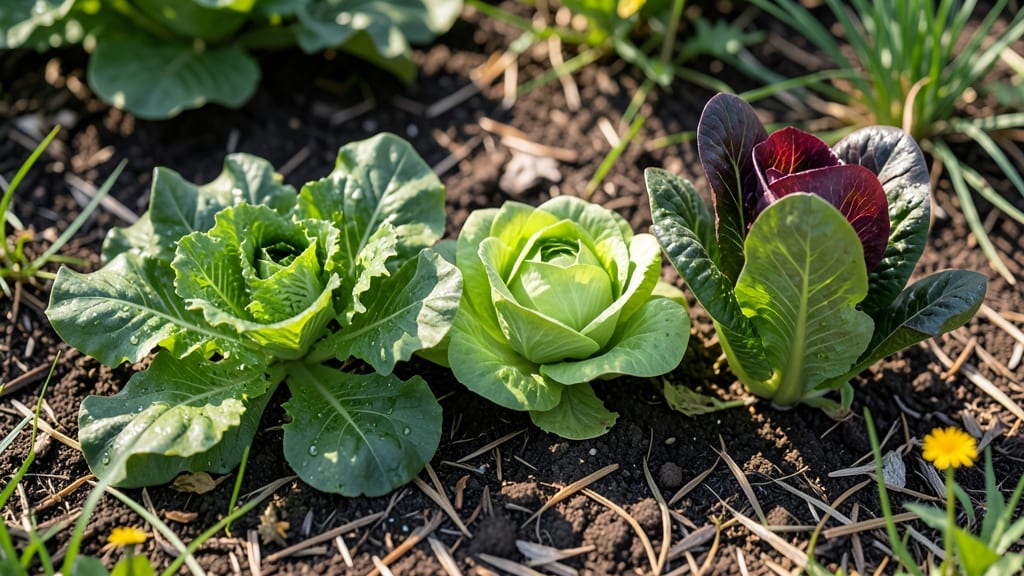
Garden lettuce types vary widely in growth speed and harvest windows, from quick-cut varieties like leaf lettuce (30-40 days) to slower bolt-resistant romaine (50-70 days). Choose heat-tolerant types for summer or cold-hardy varieties for spring/fall planting.
When planning your garden, understanding these differences helps you decide which lettuce varieties to grow based on your timeline and climate. 🌱 For instance, leaf lettuce like Black Seeded Simpson matures in just 30 days, making it perfect for quick harvests, while butterhead varieties take 50-60 days but offer a sweeter, more delicate flavor.
The key is matching your planting schedule to your local growing season—some types bolt (go to seed) faster in hot weather, so heat-tolerant varieties like romaine or green leaf are better for summer. I always recommend checking seed packets for specific days-to-maturity, as this can vary by brand and region.
For small gardens, prioritize fast-maturing varieties like Oakleaf or Salad Bowl, which thrive in tight spaces and can be harvested leaf by leaf. Succession planting—sowing new seeds every 2-3 weeks—ensures a steady supply without overwhelming your plot.
This approach works especially well for leaf lettuce, where you can pick outer leaves without disturbing the whole plant.
💡 In This Article
- How Lettuce Varieties Differ in Growth Speed
- Best Fast-Growing Lettuce Types for Small Gardens
How lettuce varieties differ in growth speed
The growth speed of garden lettuce depends on its botanical classification and genetic traits. Leaf lettuce, like Black Seeded Simpson, matures in just 30-40 days because it grows loose heads with individual leaves, allowing rapid photosynthesis and nutrient absorption.
In contrast, head lettuce varieties such as Iceberg take 70-80 days to form a compact, tightly bound head, requiring more energy for cellular development and structural integrity. 🔥
Temperature plays a critical role in these timelines. Leaf lettuce thrives in cooler weather (50-65°F), where it grows quickly without bolting (going to seed). However, when temperatures rise above 75°F, even heat-tolerant varieties like romaine slow down, extending harvest windows by 10-20 days.
Soil fertility also impacts speed—lettuce grown in nutrient-rich, well-draining soil with a pH of 6.0-7.0 matures 15-20% faster than in poor conditions. For example, butterhead lettuce, which takes 50-60 days, benefits from consistent moisture and organic matter to develop its signature tender, buttery leaves.
Sunlight exposure further influences growth cycles. Leaf lettuce can tolerate partial shade, which slows bolting but extends harvests over 2-3 weeks. In full sun, varieties like Oakleaf mature in just 35 days, but their leaves may toughen faster.
Meanwhile, romaine requires 6-8 hours of sunlight daily to develop its crisp, elongated stems, making it slower to mature but more resilient in hot climates. Understanding these factors helps you time plantings for continuous harvests, even in short growing seasons.
Bolting is another key differentiator. Leaf lettuce and butterhead bolt quickly in heat, while romaine and green leaf varieties are bred for heat resistance, often delaying bolting by 2-3 weeks in summer.
This trait makes romaine ideal for late-summer plantings, where it can still produce harvestable heads when other types turn bitter or flower. For year-round success, pair fast-maturing leaf lettuce with slower, heat-tolerant varieties in staggered plantings.
Consider these growth comparisons for planning:
- Leaf lettuce: 30-40 days, partial shade, bolt-sensitive
- Butterhead: 50-60 days, cool weather, tender texture
- Romaine: 50-70 days, heat-tolerant, crisp stems
- Head lettuce (Iceberg): 70-80 days, full sun, compact growth
For example, in a 10x10-foot garden, you could plant leaf lettuce every 2 weeks for a continuous supply, while reserving space for romaine or butterhead in cooler months. This strategy ensures a mix of quick harvests and longer-term yields, minimizing waste and maximizing flavor variety. 💫