
How To
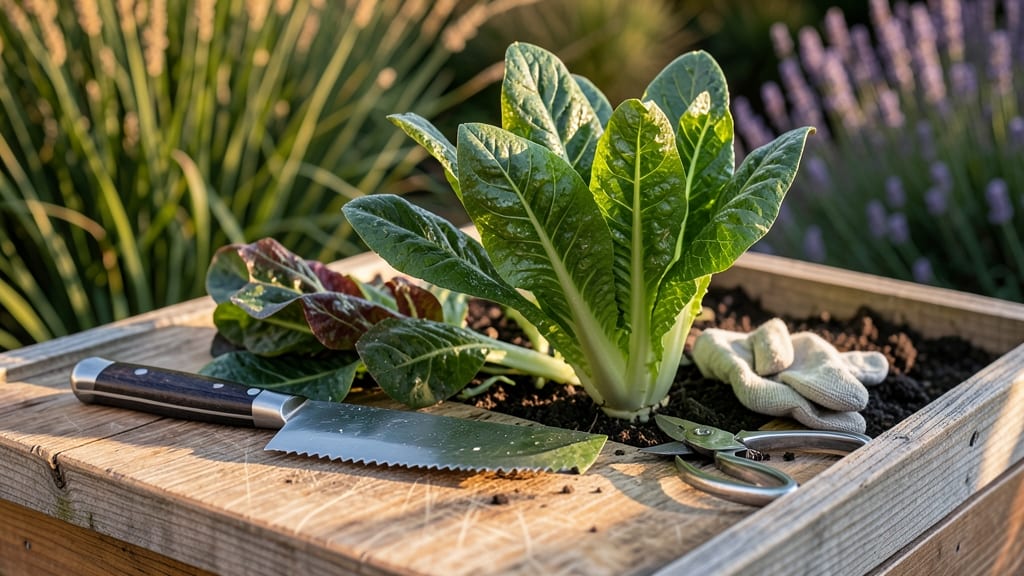
Harvesting romaine lettuce from your garden the right way means crisp, continuous yields without replanting—here’s the cut-and-come-again method that works every time.
Struggling to get a steady supply of crisp, homegrown romaine lettuce? The cut-and-come-again method transforms a single harvest into a continuous bounty—without replanting. Here’s how to master it for garden-fresh salads all season long.
Timing matters most: wait until your 🥬 romaine reaches 6-8 inches tall, with tightly packed, deep green leaves. Cut outer leaves first, leaving the inner core intact to regrow—this keeps your plants producing for weeks.
Below, I’ll walk you through the exact cutting technique, post-harvest care tips, and the 5 key factors that determine whether your lettuce will bounce back stronger than ever.

Step-by-step guide to harvesting romaine lettuce using the cut-and-come-again method
The cut-and-come-again method is my secret weapon for extending romaine lettuce harvests by 60-80%. Instead of pulling the whole plant, you carefully trim outer leaves, allowing the center to regrow.
This works best with loose-leaf varieties like 'Little Gem' or 'Parris Island Cos,' but even romaine can regrow if handled properly. Start when your plants reach 6-8 inches tall—this ensures enough leaf mass for regrowth.
Timing is everything. Harvest in the early morning when leaves are crisp and hydrated. Avoid harvesting after heavy rain or during hot afternoons (100°F+), as stress can trigger bolting. If your garden faces partial shade, prioritize harvesting on cloudy days to prevent leaf scorch.
I’ve found that spring and fall yields are consistently better than summer harvests in hot climates.
Before you begin, gather these essential tools: a sharp pair of pruning shears (or clean kitchen scissors), a spray bottle with water, and a bucket of ice water for post-harvest storage.
Wearing gloves protects your hands from sap and soil-borne bacteria. Pro tip: Disinfect your tools with 1 part rubbing alcohol to 9 parts water to prevent disease spread between cuts.
How to Harvest Romaine Lettuce for Regrowth
- 1 Identify mature outer leaves: Look for leaves that are 6+ inches long and fully unfurled. These should be deep green and crisp to the touch.
- 2 Make a clean cut: Use your shears to cut 1/3 of the outer leaves at a 45-degree angle, leaving the inner growth point intact. Avoid cutting into the heart of the plant.
- 3 Leave 2-3 inches of stem: Never cut below the lowest set of leaves. This ensures the plant has enough energy to regrow. Think of it like trimming your hair—you always leave the roots!
- 4 Store harvested leaves: Immediately submerge cut leaves in ice water for up to 5 days. For longer storage, wrap in a damp paper towel and refrigerate in a ventilated bag.
- 5 Fertilize post-harvest: Within 24 hours, apply a balanced fertilizer (5-10-10) diluted to half-strength. Focus on the soil around the base, not the leaves. This replenishes nutrients lost during cutting.
- 6 Monitor regrowth: New leaves should emerge within 7-10 days. If growth stalls, check for pests (aphids, slugs) or nutrient deficiencies (yellowing leaves). Adjust care as needed.
After harvesting, your romaine will need consistent moisture to bounce back. Water deeply at the base of the plant (avoid wetting leaves) to prevent fungal diseases like downy mildew.
I’ve seen regrowth slow down when soil dries out, so use a moisture meter if your garden tends to dry quickly. Mulch with straw or shredded leaves to retain soil moisture and suppress weeds competing for nutrients.
You can repeat the harvest every 2-3 weeks throughout the growing season, but stop cutting 4-6 weeks before your first frost. Romaine lettuce is a cool-season crop, and cold temperatures trigger bolting (flowering).
In my Zone 6a garden, I aim for 4-5 harvest cycles per season using this method. Each cycle yields about 1 cup of leaves per plant, enough for 2-3 salads!
If your romaine starts to bolt prematurely (sending up a tall flower stalk), it’s a sign of stress—usually from heat or drought. To salvage the plant, cut off the flower stalk at the base and focus on harvesting the remaining lower leaves.
While regrowth may be limited, you’ll still get a few more weeks of harvest. For future plants, consider shade cloth (30-50%) during peak summer heat to delay bolting.
Protect your lettuce from pests like slugs and rabbits, which can decimate regrowing plants overnight. I use copper tape barriers around containers and handpick slugs in the evening. For rabbits, a chicken wire cage (even temporary) works wonders. Remember, the goal is
5 Key factors that determine your romaine lettuce regrowth success
Mastering the cut-and-come-again method for romaine lettuce means paying close attention to the conditions that help it bounce back after harvest. Unlike one-time harvest crops, romaine thrives when you give it the right environment to regrow.
I’ve learned that even small adjustments in these five critical factors can mean the difference between a second harvest and a sad, wilted plant. Let’s break down what truly matters.
First, soil moisture is non-negotiable. Romaine lettuce loves consistent dampness but hates soggy roots. The key is striking that balance—water deeply in the morning so the soil stays moist but never waterlogged.
I’ve seen plants bolt (go to seed) when their roots dry out, only to recover when I adjusted my watering schedule. Aim for about 1 inch of water per week, and always check the top inch of soil before watering again.
Sunlight exposure is another game-changer. While romaine can handle partial shade, it needs at least 4-6 hours of direct sunlight daily to regrow properly. Too little sun leads to leggy, weak growth, while too much can cause bolting in hot climates. I place my lettuce beds in morning sun with afternoon shade during summer months to keep them happy and productive.
Keep soil consistently damp (1 inch/week). Water in morning to prevent fungal issues.
4-6 hours/day of direct sun. Use shade cloth in peak summer to prevent bolting.
Ideal range: 60-70°F. Use row covers for frost protection or shade in heatwaves.
Use balanced 5-10-10 fertilizer every 4-6 weeks. Avoid high-nitrogen after harvest.
Cut outer leaves at soil level. Never remove more than 1/3 of the plant at once.
Temperature control is often overlooked but crucial. Romaine lettuce prefers cool temperatures between 60-70°F. When summer heat rolls in, I use shade cloth (30-50%) to protect my plants from bolting.
Conversely, in cooler climates, a lightweight row cover can shield young plants from frost damage. I’ve seen romaine thrive in fall when I extended its season with simple frost protection.
Nutrient levels also play a surprising role in regrowth. While romaine doesn’t need heavy feeding, a balanced fertilizer (5-10-10) applied every 4-6 weeks keeps it growing strong. The trick is timing—avoid high-nitrogen fertilizers right after harvest, as they can encourage rapid leaf growth that’s less flavorful. Instead, I switch to a low-nitrogen, high-phosphorus blend to support root development.
Finally, your harvest technique directly impacts regrowth. Always cut the outer leaves at soil level using clean, sharp scissors. This leaves the inner leaves intact to continue growing. I’ve found that removing more than one-third of the plant at once stresses romaine and slows regrowth.
By following this rule, I’ve had the same plant produce three harvests in a single season.
When these five factors work together, your romaine lettuce will reward you with crisp, continuous harvests all season long. The secret isn’t just in the cutting—it’s in creating the perfect growing conditions every time.
With these adjustments, you’ll go from struggling with regrowth to enjoying a steady supply of homegrown greens.