How To
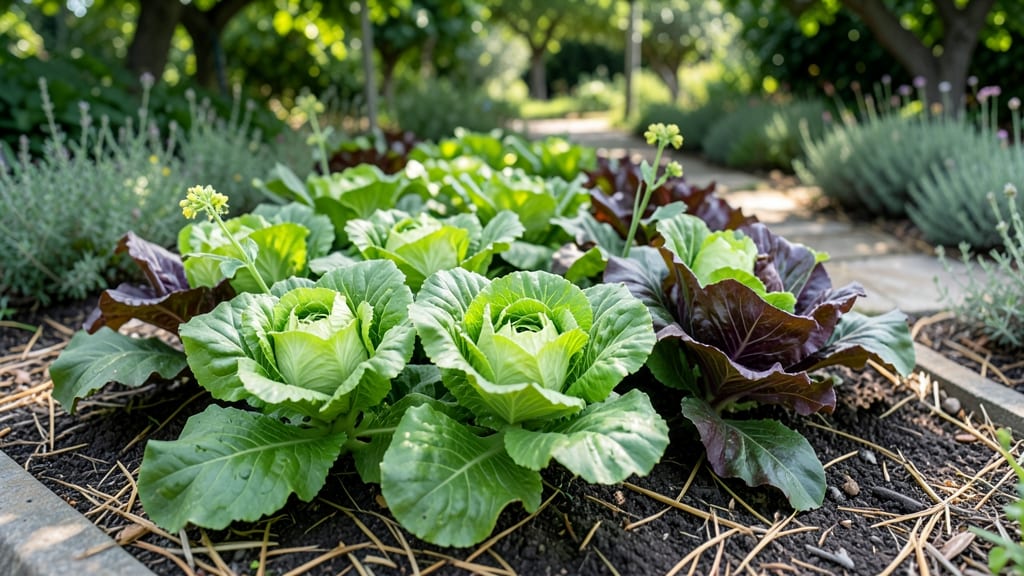
Growing a lettuce garden 🥬 fast means choosing the right varieties and timing your plantings for a 30-day harvest—no waiting months for crisp, homegrown greens.
Picture this: biting into lettuce you grew yourself, just 4 weeks after sowing seeds. It’s possible with the right techniques, and the secret starts with fast-maturing varieties like 'Black Seeded Simpson' or 'Little Gem'—both of which thrive in cool weather and resist bolting.
You’ll learn how to prep soil, space seedlings for maximum growth, and water just enough to keep your lettuce garden thriving without overdoing it. We’ll also cover how to handle pests, extend your harvest season, and troubleshoot common issues like bitter leaves or slow growth.
By the end, you’ll have a foolproof plan to grow lettuce faster than ever, whether you’re working with a backyard plot, containers, or even a sunny windowsill.


Fastest lettuce varieties for a 30-Day harvest: what to plant
If you're dreaming of a crisp, homegrown salad in just 30 days, you need the fastest-maturing lettuce varieties that thrive under the right conditions. These speedy greens can go from seed to harvest in record time—perfect for impatient gardeners or those with short growing seasons.
The key is choosing varieties bred for quick germination and rapid growth, while providing ideal temperature ranges, sunlight, and spacing.
My top picks for ultra-fast lettuce are 'Black Seeded Simpson', 'Salinas', and 'Little Gem'. These varieties are not only quick but also hardy and flavorful, making them ideal for both beginners and seasoned gardeners.
Let’s dive into what makes them tick and how to set them up for success in your garden.
Black Seeded Simpson is a classic leaf lettuce that matures in just 28-30 days, perfect for those who can’t wait to harvest. It thrives in cool temperatures (50-70°F) and prefers partial shade to avoid bolting. Meanwhile, 'Salinas' is a butterhead variety that reaches maturity in 30-40 days and loves 4-6 hours of sunlight daily. For a slightly more structured harvest, 'Little Gem' delivers romaine-type leaves in 35-40 days and handles warmer temperatures better than most.
⚠️ CRITICAL NOTE: Lettuce hates heat—once temperatures rise above 75°F, most varieties will bolt (go to seed) or turn bitter. That’s why I recommend planting these speedy varieties in early spring or late summer for the best results. If you’re in a hot climate, opt for shade cloth or grow them in containers where you can move them to cooler spots.
| Variety | Type | Days to Harvest | Sunlight Needs | Temperature Range | Spacing (inches) |
|---|---|---|---|---|---|
| Black Seeded Simpson | Leaf Lettuce | 28-30 | Partial Shade (4-6 hrs) | 50-70°F | 6-8 |
| Salinas | Butterhead | 30-40 | Full Sun (4-6 hrs) | 55-65°F | 8-12 |
| Little Gem | Romaine | 35-40 | Partial Sun (4-6 hrs) | 60-75°F | 10-12 |
When planting, pay close attention to spacing requirements. Crowding your lettuce will slow growth and increase the risk of disease.
For 'Black Seeded Simpson', keep plants 6-8 inches apart in rows spaced 12 inches apart. 'Salinas' needs a bit more room at 8-12 inches apart, while 'Little Gem' should be spaced 10-12 inches apart to allow for its taller, upright growth.
For maximum speed, start seeds indoors 4-6 weeks before your last frost date or sow directly into the garden after soil temperatures drop below 75°F. Use a light layer of compost to enrich the soil and improve drainage—lettuce roots are shallow and hate soggy conditions.
I also recommend using seed starter pellets or biodegradable pots to avoid transplant shock when moving seedlings outdoors.
One of my biggest tips is to water consistently but avoid wetting the leaves, which can lead to fungal diseases like downy mildew. Aim for 1/2 inch of water per week, delivered in the morning to allow foliage to dry quickly.
Mulching with straw or grass clippings helps retain moisture and keeps weeds at bay, so your lettuce can focus on growing.
If you’re growing in containers, choose shallow pots at least 6 inches deep with drainage holes. A 5-gallon bucket can comfortably hold 4-6 lettuce plants, making it perfect for balconies or small patios.
Just remember to water more frequently in containers, as they dry out faster than garden beds.
Finally, don’t forget to harvest regularly to encourage continuous growth. For leaf lettuce like 'Black Seeded Simpson', simply pluck outer leaves as needed. For 'Salinas' and 'Little Gem', cut the entire
Step-by-step guide to planting lettuce for maximum speed
Ready to grow lettuce faster than you can say "crisp salad"? The key lies in preparing your soil, choosing the right planting depth, and maintaining consistent moisture levels.
Lettuce thrives in cool weather, so timing your spring or fall planting is crucial for avoiding bolting—when it prematurely flowers and becomes bitter. Let’s break it down into simple, actionable steps to get your lettuce from seed to salad bowl in just 30 days.
Before you even think about seeds, focus on loose, nutrient-rich soil. Lettuce roots are shallow, so amend your garden bed with 2–3 inches of compost or well-rotted manure to improve drainage and fertility.
A soil pH between 6.0 and 7.0 is ideal—test your soil if you’re unsure, as acidic or alkaline conditions can stunt growth. For container gardening, use a lightweight potting mix blended with perlite to keep roots aerated.
One of the biggest mistakes beginners make is overwatering, which can lead to root rot or fungal diseases. Instead, aim for 1/2 inch of water per week, adjusting for rain.
If your lettuce starts to bolt (shoot up flower stalks), it’s often a sign of heat stress or crowding. Provide afternoon shade with a lightweight shade cloth if temperatures rise above 75°F.
For a continuous harvest, practice succession planting: sow new seeds every 2–3 weeks after your initial planting. This ensures you always have fresh lettuce ready to pick. If you notice yellowing leaves, it could indicate nutrient deficiency—add a balanced fertilizer or compost to revive growth.
With these steps, you’ll be enjoying homegrown lettuce in no time!
Remember, the sooner you start, the faster your harvest. Whether you’re planting in raised beds, containers, or your backyard, these techniques will give you the crispest, fastest-growing lettuce possible. Happy gardening!