
Pests
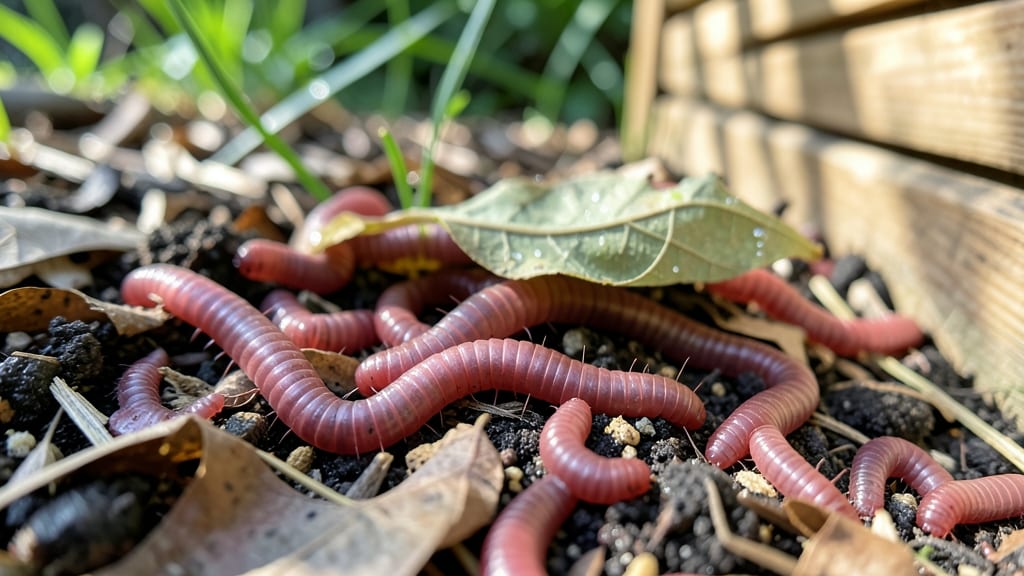
Yes, you should put worms in your garden—they aerate soil, decompose organic matter, and release natural nutrients that promote healthier plants, but choosing the right species and introducing them properly makes all the difference.
Adding worms to your garden creates a natural ecosystem that improves soil health in ways synthetic fertilizers can't match. 🌱 These underground helpers create tunnels that enhance drainage and root growth while their castings act as a nutrient-rich fertilizer.
I've seen gardens transform when red wigglers are introduced—they thrive in compost piles and can process kitchen scraps into valuable soil amendments within weeks.
Not all worms are created equal, though. Nightcrawlers are better for loose, sandy soils, while red wigglers prefer moist, organic-rich environments. The key is matching the species to your garden's conditions.
For best results, start with a small batch from reputable suppliers and introduce them gradually to avoid overwhelming your soil ecosystem.
💡 In This Article
- How Earthworms Improve Soil Structure and Plant Growth
- Best Worm Types for Gardens and How to Introduce Them
How earthworms improve soil structure and plant growth
Earthworms act like tiny soil engineers, creating tunnels that improve aeration and water infiltration. Their burrowing activity increases soil porosity by up to 50% in compacted areas, allowing roots to access oxygen and nutrients more efficiently.
This tunneling also enhances drainage, reducing waterlogging that can suffocate plant roots. 🌱 The physical disturbance from their movement breaks up clay particles, transforming dense soil into a looser, more workable medium—similar to how a plow tilts the earth but with continuous, natural action.
The real magic happens in their castings—those dark, crumbly deposits you sometimes see on garden beds. These aren't just worm poop; they're nutrient powerhouses containing 5x more nitrogen, phosphorus, and potassium than the surrounding soil.
Castings also boost microbial activity by 20-30%, creating a thriving ecosystem that helps plants absorb nutrients more effectively. Red wigglers, for example, produce castings rich in enzymes that break down complex organic matter into plant-available forms, while nightcrawlers create deeper tunnels that benefit deep-rooted plants like tomatoes.
Different worm species contribute uniquely to soil health. Red wigglers (Eisenia fetida) excel in compost systems, processing food scraps into humus, while nightcrawlers (Lumbricus terrestris) create vertical tunnels that improve water movement in heavier soils.
The combination of these activities creates a self-sustaining cycle: worms eat organic matter, excrete nutrient-rich castings, and their tunnels provide pathways for beneficial microbes and fungi to colonize the soil. This ecosystem engineering explains why gardens with active worm populations often show 30-50% faster plant growth compared to worm-free soils.
What most gardeners don't realize is how worms influence soil chemistry. Their digestive process creates a slightly alkaline environment in their gizzards, which helps neutralize acidic soils. They also secrete mucus that binds soil particles together, improving soil aggregation—the process that creates stable crumbs.
This structural improvement makes soils more resistant to erosion and better at retaining moisture, which is why worm-rich gardens often require less frequent watering. The physical and chemical changes worms create are why they're sometimes called "nature's plow."
Consider the sensory experience: a healthy worm population transforms your garden into a living, breathing system. Instead of smelling stale or compacted, the soil takes on a fresh, earthy aroma from the active microbial community.
You'll notice plants developing stronger stems, deeper roots, and more vibrant foliage—all signs of improved soil health. The visual difference is striking too: worm tunnels create a honeycomb pattern in cross-sections of soil, while castings give the surface a velvety texture that's impossible to replicate with synthetic amendments. 🌿
For maximum benefits, aim for a worm population of 100-200 worms per square yard in your garden beds. This density creates enough activity to maintain optimal soil conditions without becoming overpopulated. The key is balance—too few worms mean minimal impact, while too many can lead to competition for resources.
Start with a small introduction and monitor plant responses to determine if you need to increase their numbers gradually.