
Blooming
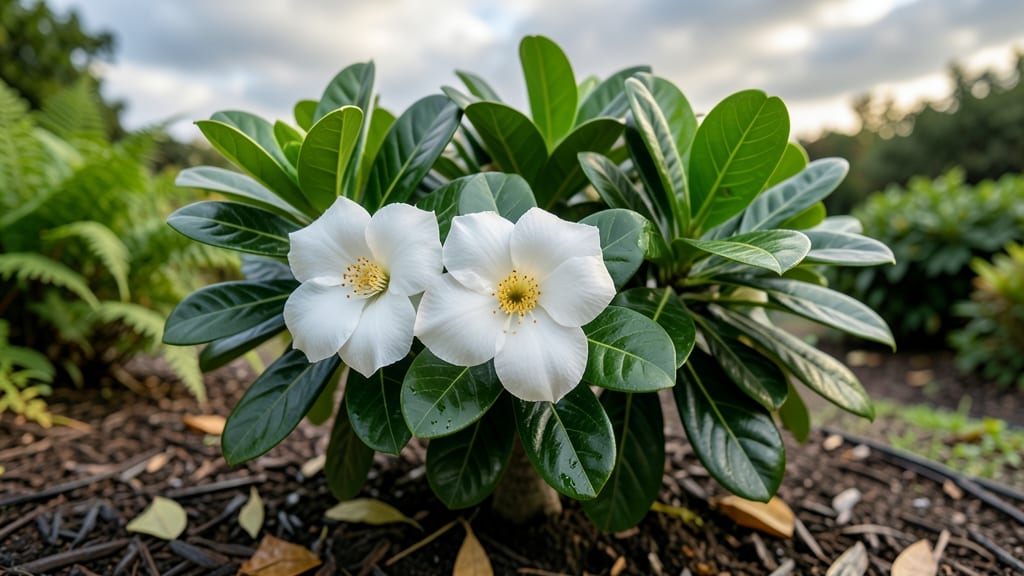
Your gardenia’s flowering season depends on where you live and how you care for it—late spring to early summer is the peak for most, but with the right tricks, you can coax blooms year-round in frost-free zones like 9-11.
If you’ve ever waited eagerly for your gardenia to bloom—only to be met with disappointment—you’re not alone. These fragrant 🌸 beauties thrive on routine, and even a small shift in light or fertilizer can throw off their schedule.
But here’s the good news: understanding their natural rhythm and a few simple adjustments can turn sporadic blooms into a reliable, long-lasting display.
From the tropical glow of 'Fortuniana' to the compact charm of 'Radicans', different gardenia varieties bloom at slightly different times. Warmer climates may enjoy near-year-round flowers, while cooler zones see a burst of color in spring.
The key? Mimicking their native tropical conditions—think bright, indirect light, acidic soil, and just the right balance of water and nutrients.
In this guide, I’ll break down when to expect those iconic white blooms, how to extend their season, and the 3 biggest mistakes that kill flowering—so you can enjoy your gardenia’s sweet scent for months on end.
When do gardenias bloom naturally? Seasonal & climate-based flowering patterns
Gardenias are famous for their intoxicating fragrance and glossy white blooms, but their flowering season depends heavily on your USDA hardiness zone and local climate. In their native tropical habitats, gardenias bloom year-round, but in temperate zones, they follow a more predictable late spring to early summer schedule.
Understanding these patterns helps you set realistic expectations and optimize care for peak blooms.
The primary bloom window for gardenias in most regions falls between April and July, with some varieties extending into early fall. However, gardenias grown in USDA Zones 9-11 (like Florida or Southern California) can produce flowers year-round if conditions are ideal.
Cooler zones (like Zone 8 or lower) may see blooms only in late spring or early summer before heat stress sets in.
🌸
Temperature is the biggest factor in gardenia blooming. These plants thrive in 60-85°F ranges, with ideal blooming occurring when daytime temps consistently reach 70°F or higher. In cooler zones, gardenias often wait until late spring to bloom, as they need warmth to break dormancy.
If your gardenia is in a pot, moving it to a warmer microclimate (like near a south-facing wall) can encourage earlier blooms.
Light also plays a crucial role. Gardenias prefer bright, indirect light with 4-6 hours of morning sun. Too much direct afternoon sun can scorch leaves and delay blooming.
In shadier climates (like Zone 7), gardenias may bloom later or produce fewer flowers unless you supplement with grow lights during winter months. If your plant isn’t getting enough light, you’ll notice smaller leaves and fewer buds.
Humidity matters too—gardenias love 60-70% humidity, which mimics their tropical origins. In dry climates (like Zone 9b), you may need to mist leaves or use a pebble tray to keep humidity levels up.
Low humidity can cause buds to drop before opening, a common frustration for gardeners in arid regions.
💧
Different gardenia varieties also have unique bloom patterns. For example, the 'Radicans' variety (a dwarf type) typically blooms heavily in late spring but may produce scattered flowers in fall.
Meanwhile, the 'Fortuniana' variety, with its larger blooms, often flowers year-round in frost-free zones but may take a break in winter if temps drop below 50°F. If you’re growing multiple varieties, note their individual preferences to maximize your garden’s fragrance and beauty.
One often-overlooked trigger for gardenia blooming is pruning. Pruning right after the first flush of flowers (usually in early summer) encourages new growth and fall blooms. Avoid heavy pruning in late summer or fall, as this can delay or prevent next year’s blooms.
Always use sterilized shears and prune just above a leaf node to promote healthy regrowth.
Finally, soil pH directly impacts blooming. Gardenias thrive in acidic soil (pH 5.0-6.5). If your soil is too alkaline (common in many suburban areas), buds may form but fail to open.
Test your soil and amend it with peat moss or sulfur if needed. A simple home pH test kit can save you from frustration and wasted effort.
☀️
5 Proven ways to trigger gardenia blooms outside their natural season
Gardenia flowering season typically aligns with warm months, but with the right techniques, you can coax blooms earlier or extend their display. These fragrant shrubs respond well to strategic care adjustments—especially in cooler climates or during off-season months.
The key lies in mimicking their natural triggers while avoiding common pitfalls like overpruning or nutrient imbalances.
By manipulating light exposure, temperature, and nutrient schedules, you can push your gardenia to bloom when it normally wouldn’t. For example, indoor gardenias in winter may need supplemental grow lights, while outdoor plants in Zone 8 can benefit from microclimate protection.
Let’s explore five science-backed methods to unlock those coveted white blooms year-round.
- 1. Strategic Pruning: Prune right after blooming (not before) to remove spent flowers and encourage new buds. Use clean, sharp shears and cut at a 45-degree angle just above a leaf node. Avoid heavy pruning—stick to 1/3 of the plant max to prevent stress.
- 2. Light Manipulation: Gardenias need 12-14 hours of light daily. In winter, place plants near south-facing windows or use LED grow lights 6 inches above for 10-12 hours/day. Avoid direct afternoon sun, which can scorch leaves.
- 3. Temperature Control: Maintain 65-75°F days and 55-60°F nights. Use a space heater (safely!) for indoor plants or move outdoor gardenias to protected microclimates (like near foundations) during cold snaps.
- 4. High-Phosphorus Fertilizing: Switch to a balanced bloom booster (like 8-3-9 NPK) in early spring and mid-summer. Apply every 6 weeks and water deeply to avoid root burn. Avoid nitrogen-heavy fertilizers, which promote leaves over blooms.
- 5. Post-Bloom Reset: After flowers fade, give your gardenia a light trim and a soil amendment (like compost or peat moss). This resets the plant for the next bloom cycle. Mulch with pine bark to maintain acidic soil pH (5.0-6.5).
Timing is everything when it comes to gardenia flowering season manipulation. For example, if you want summer blooms, start with light adjustments in early spring and follow up with phosphorus-rich fertilizer in May.
Potted gardenias may need more frequent care—check soil moisture daily in summer to avoid drought stress, which can halt bud formation.
Don’t overlook the power of humidity either. Gardenias thrive in 50-70% humidity. In dry climates, use a pebble tray with water or a humidifier nearby to mimic their tropical origins.
This small tweak can double your bloom count by reducing stress. Pair this with regular deadheading (removing spent blooms) to redirect energy to new flowers.
Consistency is key—gardenia flowering season tricks won’t work overnight. Track your plant’s response for 8-12 weeks after implementing changes. If buds form but drop, it’s often a sign of low humidity or inconsistent watering. Adjust accordingly, and soon you’ll enjoy those creamy-white blooms well beyond their natural window.
With these techniques, your gardenia can become a year-round bloomer, filling your space with fragrance and beauty regardless of the season. Start with one method this month—like adding grow lights or switching fertilizers—and watch your plant respond. Happy gardening! 🌸