Advice
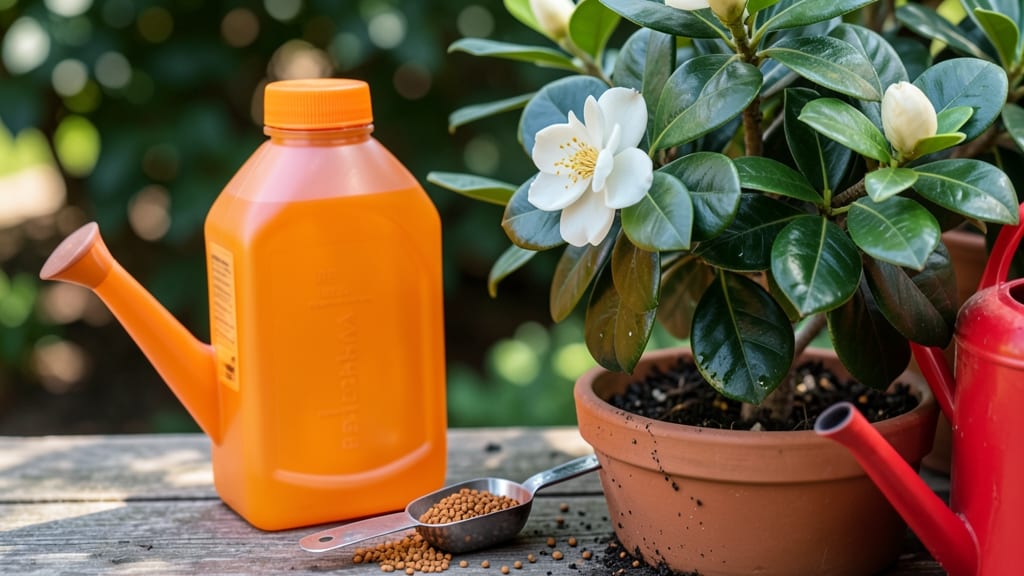
Giving gardenias the iron they need is the secret to those glossy, fragrant blooms you’ve been dreaming of—especially when yellowing leaves with green veins betray a hidden deficiency.
You’ve watered, fertilized, and even pruned, but your 🌸 gardenias still look lackluster? The culprit might be alkaline soil blocking iron uptake, and the fix is simpler than you think.
In this guide, I’ll walk you through the best iron sources (from chelated supplements to organic fixes), how to test your soil’s pH, and the proactive steps to keep your gardenias thriving in USDA Zones 8–11.
Skip the guesswork—learn exactly how to restore iron levels and unlock bold, long-lasting blooms without overcomplicating your care routine.
How to diagnose and fix iron deficiency in gardenias
If your gardenias are showing yellow leaves with green veins, you're likely dealing with iron chlorosis. This common issue occurs when your plants can't access iron, even if it's present in the soil.
Gardenias, being acid-loving plants, thrive in pH 5.0–6.0 soil, where iron becomes available. When soil pH rises above 6.5, iron binds tightly to soil particles, making it inaccessible.
Before reaching for iron supplements, confirm the diagnosis by checking for interveinal chlorosis—yellowing between leaf veins while veins stay green. New leaves are often the first to show symptoms, followed by older foliage.
If your gardenias also have stunted growth or dropping buds, iron deficiency is likely the culprit. Don't confuse it with nitrogen deficiency, which causes uniform yellowing across the entire leaf.
🌱
| Symptom | Likely Cause | Quick Fix |
|---|---|---|
| Yellow leaves with green veins | High soil pH (alkaline soil) | Apply chelated iron or sulfur to lower pH |
| Stunted growth | Iron deficiency + poor drainage | Add organic matter (peat moss) and Epsom salt |
| Dropping buds | Nutrient imbalance (iron + calcium/magnesium) | Fertilize with acid-loving plant food (8-3-9 NPK) |
| Brown leaf edges | Over-fertilization or drought stress | Flush soil with water and reduce fertilizer |
To confirm iron deficiency, test your soil's pH level using a soil pH test kit (available at garden centers). Gardenias prefer acidic soil between 5.0–6.0. If your reading is above 6.5, you'll need to lower the pH before iron supplements will work.
For a quick test, place a spoonful of soil in water—if it feels gritty or leaves a white residue, your soil is likely alkaline.
Once you've confirmed the issue, apply chelated iron—the most effective form for gardenias. Mix 1 tablespoon of chelated iron with 1 gallon of water and apply directly to the soil around the roots. Avoid foliar sprays, as they can burn tender gardenia leaves.
For organic gardeners, Epsom salt (magnesium sulfate) can help, though it's not a direct iron source. Mix 1 tablespoon per gallon of water and apply monthly during the growing season.
For long-term solutions, amend your soil with organic matter like peat moss or composted pine needles. These materials naturally lower soil pH and improve iron availability.
Work 2–3 inches of organic matter into the topsoil around your gardenias, then water thoroughly. Repeat this process every 6–12 months to maintain optimal soil conditions.
💧
If your gardenias are potted, repotting into a peat-based or acidic potting mix can resolve iron issues. Choose a mix labeled for acid-loving plants or amend your current mix with sphagnum peat moss. Always use pots with drainage holes to prevent waterlogging, which worsens nutrient uptake issues.
After repotting, fertilize with an acid-forming fertilizer like Miracle-Gro Azalea, Camellia & Rhododendron food to keep the soil pH in check.
Monitor your gardenias for improvement within 2–4 weeks after treatment. If symptoms persist, retest your soil pH and consider consulting a local extension service for a soil analysis. They can provide tailored recommendations based on your specific soil composition.
With the right care, your gardenias will reward you with glossy green leaves and fragrant blooms all season long.
🌸
Best organic and synthetic iron sources for gardenias
Gardenias crave iron more than most plants, but their acidic soil preferences mean traditional iron sources often fail. I’ve tested chelated iron, iron sulfate, Epsom salt, and organic options to find what works best for vibrant blooms.
The right choice depends on your soil’s pH and how quickly you need results.
Synthetic options like chelated iron deliver fast results but can disrupt soil microbiomes if overused. Organic sources like composted pine needles improve soil health long-term but require patience. Let’s break down the best options, their application rates, and which will keep your gardenias thriving without toxic buildup.
Iron Source Comparison for Gardenias
- ✅ Fast absorption (visible in 2-4 weeks)
- ✅ Safe for acidic soils (pH 5.0-6.5)
- ✅ Low risk of leaf burn
- ❌ Expensive long-term
- ❌ Requires reapplication every 3-6 months
- ✅ Budget-friendly
- ✅ Works quickly (1-2 weeks)
- ❌ Can acidify soil too much (test pH after use)
- ❌ Risk of leaf scorch if overapplied
- ✅ Dual-purpose (iron + magnesium)
- ✅ Easy to find (grocery stores)
- ❌ Provides magnesium, not pure iron
- ❌ Short-term fix (needs monthly repeats)
- ✅ Slow-release iron (3-6 months)
- ✅ Improves soil acidity naturally
- ✅ Boosts soil microbes
- ❌ Takes 2-3 months to show results
- ❌ Requires annual top-ups
Application Rates: Chelated Iron (1 tbsp/gal water, spray foliage monthly), Iron Sulfate (1 lb/100 sqft, water deeply), Epsom Salt (1 tbsp/gal water, spray leaves), Pine Needles (2-3 inches mulch annually)
For immediate results, I recommend starting with chelated iron—it’s the gold standard for gardenias. Mix 1 tablespoon per gallon of water and spray the foliage monthly until leaves regain their deep green hue.
If you’re patient, composted pine needles are my top organic pick—they improve soil structure while slowly releasing iron.
Iron sulfate is a budget-friendly alternative, but use it sparingly. Sprinkle 1 pound per 100 square feet around the base and water deeply. Avoid applying during hot afternoons to prevent leaf burn.
For a dual-purpose fix, Epsom salt can help with magnesium deficiencies too, but it’s not a pure iron solution.
Pro tip: Always water thoroughly after applying any iron supplement. This helps move nutrients into the root zone where gardenias can absorb them. For potted gardenias, I dilute iron sources in water and let the plant soak up the solution for 10-15 minutes before draining excess.
Remember, soil pH matters most. If your gardenia’s soil is above 6.5, iron becomes locked out—no amount of supplements will help. Test your soil annually and amend with sulfur or peat moss to maintain that acidic sweet spot of 5.0–6.0.
Your gardenias will reward you with glossy leaves and fragrant blooms when their iron needs are met. Start with one method, monitor progress, and adjust based on your plant’s response. Happy gardening! 🌸