
Picking
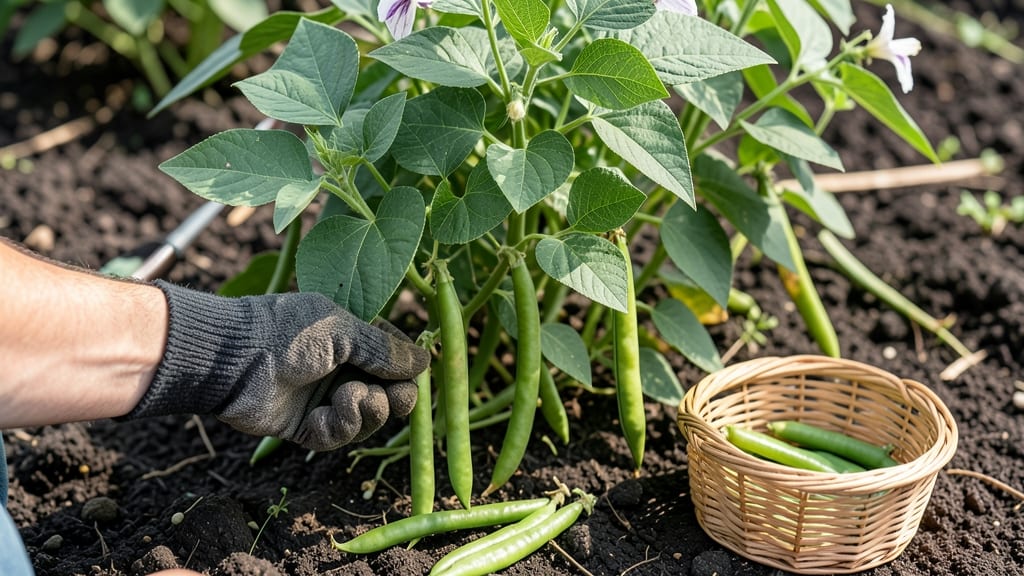
Picking green beans at the right time turns a simple garden harvest into a flavor-packed experience—when pods are crisp, tender, and packed with sweetness.
Here’s the secret: wait until they’re 4-6 inches long, firm to the touch, and snap easily when bent. Miss this window, and you’ll end up with tough, woody beans that ruin the whole batch.
In this guide, I’ll walk you through the three key checks to determine perfect harvest timing, how often to pick for maximum yield, and what happens if you wait too long.
Whether you’re growing bush or pole varieties in USDA Zone 6a, these tips will help you enjoy the best-tasting green beans all season long.


3 Key size checks to harvest green beans at peak flavor
Harvesting green beans at the perfect moment ensures that crisp, sweet flavor you crave. The key lies in three simple but critical checks: pod length, thickness, and seed development. Each of these factors directly impacts the texture and taste of your harvest.
For bush beans, timing is slightly different than for pole varieties, so I’ll cover both to help you master the art of picking.
First, let’s tackle the most obvious cue: pod length. Most green bean varieties reach peak flavor when pods measure between 4 to 6 inches. This range ensures the beans are fully developed but still tender.
If you’re growing bush beans, aim for the shorter end of the spectrum—around 4 inches—since they tend to mature faster. For pole beans, which grow taller and produce longer pods, wait until they hit 5 to 6 inches for optimal crunch.
Next, pay attention to the thickness of the pods. When green beans are ready to pick, they should feel firm and crisp when you gently squeeze them. If the pod feels soft or flabby, it’s past its prime and will taste bland or even bitter.
Think of it like testing a ripe avocado—just enough give to know it’s ready, but not so soft it’s overripe. This tactile check is especially important for snap beans, where tenderness is key to that satisfying crunch.
Here’s where things get a little more nuanced: seed development. For most green beans, you want pods where the seeds are just visible through the skin but not fully formed. If the seeds are bulging or easy to see without squinting, the bean is overripe and will be tough.
This is a game-changer for dry bean varieties, which are harvested later when seeds are fully developed, but for snap beans, this check is your secret weapon for flavor.
| Check | Ideal Condition | Bush Beans | Pole Beans |
|---|---|---|---|
| Pod Length | 4-6 inches | 4 inches | 5-6 inches |
| Pod Thickness | Firm and crisp | Thin but sturdy | Slightly thicker |
| Seed Development | Visible but not bulging | Small seeds | Slightly larger seeds |
| Stem Test | Snaps easily | Yes | Yes |
One trick I swear by is the stem snap test. Gently bend a pod near the stem—if it snaps cleanly, it’s ready to pick. This works especially well for pole beans, where pods can grow longer and might fool you into thinking they’re still tender.
If the stem resists or feels mushy, give it another day or two. This tactile check is a quick way to confirm what your eyes might miss, especially on cloudy days when color cues are less reliable.
Timing is everything, so don’t wait until the pods turn yellow or start to dry out. Overripe green beans lose their sweetness and develop a woody, fibrous texture that’s unpleasant to eat.
I’ve learned this the hard way—once, I missed a harvest window, and my beans turned into tough sticks that were barely edible. Since then, I’ve made it a habit to check my plants every 2 to 3 days during peak growing season to avoid this mistake.
For bush beans, which produce all their pods at once, you’ll see a flush of flowers followed by pods in about 50 to 60 days.
These varieties are great for beginners because they’re easier to spot and harvest. Pole beans, on the other hand, produce continuously over a longer season, so you’ll need to monitor them more frequently. Both types benefit from regular harvesting, which encourages the plant to produce more pods.
It’s like giving your green beans a little nudge to keep growing!
Pro tip: Use a pair of sharp pruning shears or clean scissors to harvest your beans. This prevents damaging the plant and makes the process faster, especially if you’re dealing with a large patch. Always cut just above the leaf node to encourage new growth.
I like to harvest in the morning when the pods are cool and crisp, which helps preserve their freshness longer if you’re not using them right away.
Finally, don’t overlook the color cue. While green beans are typically harvested when they’re green, some varieties like yellow wax beans or purple pods change color as they mature.
For these, look for a vibrant, even hue—dull or mottled colors signal overripeness. Pairing these visual checks with the size and tactile tests ensures you’re always picking at peak flavor.
Mastering these three checks will turn your green bean harvest from good to extraordinary. The next time you’re in the garden, take a moment to run your fingers over the pods and give them a little squeeze. Your taste buds will thank you! 🌱
How often to pick green beans for maximum yield
Harvesting green beans regularly isn't just about getting a few pods—it's the secret to a bountiful, continuous harvest all season long. When you pick beans consistently, your plants redirect their energy to produce more pods instead of letting them mature into tough, stringy messes.
Think of it like pruning: the more you encourage growth, the more your plants reward you.
Most gardeners make the mistake of picking only when they're ready to eat, but by then, your plants are already playing catch-up. The key is to check your plants every 2-3 days during peak production (usually June through August).
This frequent check keeps you from missing the perfect window and ensures your beans stay crisp, sweet, and tender.
Here's the science behind it: Green beans are determinate or indeterminate plants. Determinate varieties (like bush beans) produce all their pods at once, while indeterminate (like pole beans) keep producing. Both types respond best to regular picking, but indeterminate varieties need it most to keep flowering and fruiting.
- 1 Week 1-2 After Flowering: Start picking when pods reach 3-4 inches. This signals the plant to produce more flowers and pods.
- 2 Peak Production (Weeks 3-6): Harvest every 2-3 days. This is when your plants are most productive—don’t miss a beat!
- 3 Late Season (Weeks 7+): Switch to every 3-4 days as production slows. Focus on quality over quantity to extend the harvest.
- 4 Signs of Overmaturity: If pods turn yellow, seeds bulge, or stems become woody, it’s too late. Trim these immediately to redirect energy to new growth.
Pro tip: Use a sharp pair of pruning shears or your fingers to snap the stem just above the pod. Avoid tearing the vine, which can damage the plant and invite pests. I like to harvest in the morning when beans are cool and crispest—perfect for fresh eating or preserving.
If you're growing pole beans, which produce for a longer season, you can extend your harvest by 2-3 weeks compared to bush beans. Just keep an eye out for those 4-6 inch pods and pick them before they toughen up.
The more you harvest, the more your plants will give back—it’s a beautiful cycle of give and take in the garden.
Remember, the goal isn't just to pick beans—it's to encourage your plants to keep producing. By following this schedule, you’ll enjoy a steady supply of fresh, flavorful green beans all season long, with minimal waste and maximum satisfaction. Happy harvesting! 🌱