Planting
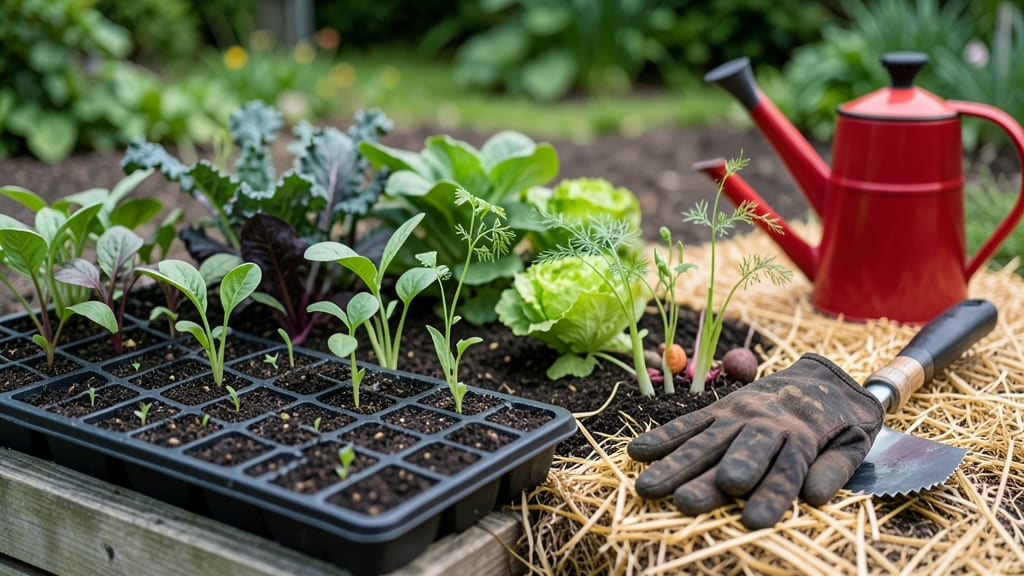
Planting a vegetable garden in Seattle at the right time means the difference between a thriving harvest and a sad, wilted mess—especially with our unpredictable spring rains and late frosts.
Seattle’s cool, wet climate can throw off even experienced gardeners. One year, my peas sprouted right after a March frost, and another year, my tomatoes bolted in July because I planted too early.
The key? Knowing when to start seeds indoors, when to transplant outdoors, and which crops can handle our short growing season.
Most Seattle gardeners in USDA Zones 8a-9a should begin cool-season crops like lettuce and spinach indoors by February, while warm-season favorites like tomatoes and peppers wait until after the last frost—usually mid-May.
But timing isn’t just about frost dates; it’s also about soil temperature, rainfall, and even your microclimate.
In this guide, I’ll break down the exact planting windows for your favorite vegetables, plus pro tips to stretch Seattle’s growing season so you can enjoy fresh produce from spring through fall.
Seattle’s frost-free planting zones: when to start seeds vs. transplant vegetables
Seattle’s USDA Zone 8a/8b means we enjoy a surprisingly long growing season—if you time it right. The key is understanding last-frost averages (typically April 15–May 1) and first-frost risks (late October–November). These dates separate cool-season crops like spinach and peas from warm-season powerhouses like tomatoes and peppers.
I’ve planted vegetables here for years, and the difference between a thriving garden and a sad, frost-nipped experiment comes down to when you start seeds indoors versus when you transplant outdoors.
Cool-season crops can handle light frosts, while warm-season crops need consistent warmth—and Seattle’s soil takes its time heating up after winter.
Based on 2023 Seattle frost data from the National Weather Service, here’s your frost-free planting timeline broken down by crop type. Use this as your roadmap to avoid the most common mistakes: planting too early (frost damage) or planting too late (missed harvests).
| Crop Type | Start Seeds Indoors | Transplant Outdoors | Last Frost Risk | Notes |
|---|---|---|---|---|
| Cool-Season (Spinach, Peas, Lettuce) | March 1–15 | March 20–April 15 | Low (hardy to 25°F) | Direct sow or transplant early. Succession plant every 2 weeks. |
| Warm-Season (Tomatoes, Peppers, Basil) | April 1–15 | May 15–June 1 | High (soil must be 60°F+) | Wait for nighttime temps above 50°F. Use row covers if early frost threatens. |
| Root Crops (Carrots, Beets, Radishes) | March 15–April 1 | April 1–15 | Moderate (hardy to 30°F) | Loosen soil to prevent forked roots. Thin seedlings promptly. |
| Brassicas (Broccoli, Cabbage, Kale) | March 15–April 1 | April 15–May 1 | Moderate (hardy to 20°F) | Head varieties need consistent cool temps. Harvest before bolting. |
| Fall Crops (Kale, Arugula, Turnips) | July 1–15 | August 1–15 | None (harvest before frost) | Direct sow after summer crops are removed. Protect with row covers in October. |
For cool-season crops, I start seeds indoors in early March so they’re ready to transplant by late March–early April. Spinach and peas can even handle light frosts, so don’t rush to cover them.
The 2023 last frost in Seattle occurred on April 22, but I’ve seen it as late as May 5, so always have row covers on hand.
Warm-season crops like tomatoes and peppers are trickier. I wait until mid-April to start seeds indoors because our soil stays cold and soggy until late May. Transplanting too early leads to stunted growth or root rot. Use a soil thermometer—wait until the soil hits 60°F+ before planting.
One of my biggest mistakes? Skipping the fall planting window. Seattle’s second growing season (August–October) is perfect for kale, arugula, and turnips. I now direct sow these in early August and harvest until first frost (usually October 15–November 1).
A simple floating row cover can extend harvests by 2–4 weeks.
Pro tip: Check the University of Washington’s AgWeatherNet for real-time frost forecasts. Their Seattle-Camano Island station tracks soil temps and frost risks daily. I also set phone
Best vegetables to plant in Seattle by season: month-by-month schedule
Seattle’s cool, wet climate demands a strategic planting schedule to avoid frost damage and maximize yields. Unlike warmer regions, we can’t plant everything in spring—some crops thrive in fall’s milder temperatures while others need summer’s warmth.
The key is succession planting, which lets you harvest lettuce every 3 weeks or radishes every 4 weeks without gaps.
Start by dividing your garden into three planting zones: spring (March–May), summer (June–August), and fall (September–October). Cool-season crops like kale and peas go in early spring or late summer, while tomatoes and peppers need summer’s heat.
Below, I’ve broken down the best month-by-month schedule for Seattle gardeners, including succession planting tips to keep your harvests flowing.
- 1 March–April (Spring Planting): Start cool-season crops like spinach, peas, and lettuce indoors (4–6 weeks before last frost). Transplant onion sets and broccoli outdoors once soil warms to 45°F. Use row covers for early kale and cabbage to protect from late frosts.
- 2 May (Succession Planting): Sow radishes and lettuce every 2–3 weeks for continuous harvests. Plant carrots and beets in loose soil. Avoid planting warm-season crops like tomatoes until soil reaches 60°F (usually late May).
- 3 June–July (Summer Planting): Transplant tomatoes, peppers, and cucumbers after last frost (average May 15–June 1). Start bush beans and corn directly in the ground. Use mulch to retain moisture during Seattle’s dry summer spells.
- 4 August (Fall Prep): Begin sowing cool-season crops for fall harvests, like spinach and arugula, 8–10 weeks before first frost (average October 15). Plant garlic in late August for next year’s harvest.
- 5 September–October (Fall Planting): Transplant broccoli, cabbage, and Brussels sprouts for late fall/winter harvests. Extend the season with row covers to protect from early frosts. Plant overwintering onions for next spring.
For succession planting, focus on fast-growing crops like radishes (30 days), lettuce (45 days), and bush beans (50 days).
For example, I sow lettuce every 3 weeks from March to August, ensuring a steady supply. Peas and spinach can handle light frosts, making them ideal for early spring or late fall plantings.
Pro tip: Use Seattle’s rain to your advantage by planting drought-tolerant crops like Swiss chard or kale in summer. These thrive with less frequent watering compared to tomatoes or peppers, which need consistent moisture. Always check soil moisture—Seattle’s clay soil can stay soggy longer than you’d expect.
By following this month-by-month schedule, you’ll avoid the common mistake of planting warm-season crops too early or cool-season crops too late. With succession planting, you’ll enjoy fresh homegrown veggies year-round, even in Seattle’s unpredictable climate. Happy planting! 🌱