
Tools
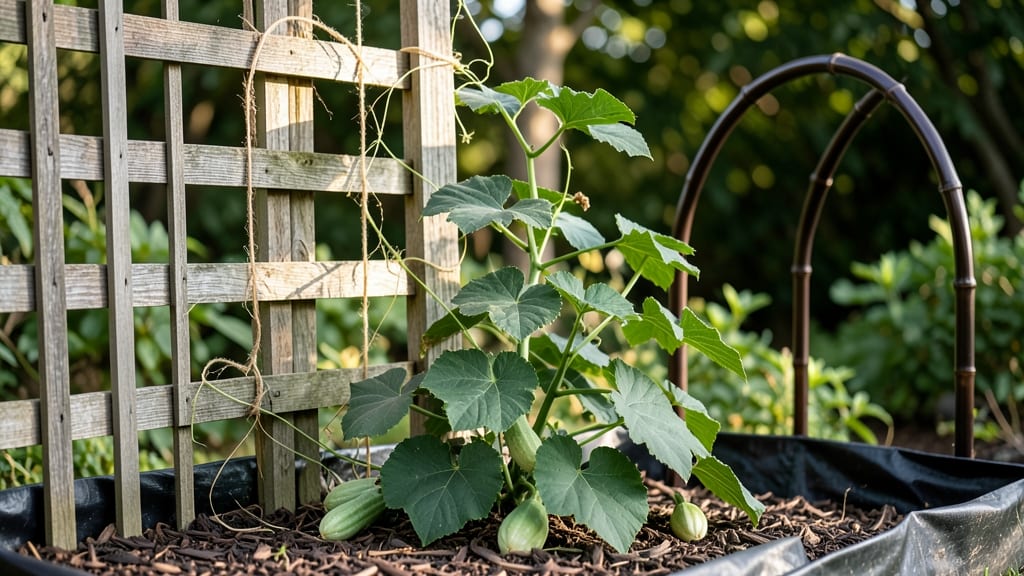
Creative garden bed trellis ideas can turn your climbing plants into stunning vertical gardens while saving space 🌿 — and the best part? You don’t need a green thumb or a big budget to make it happen.
Imagine cucumbers sprawling up a rustic wooden arch instead of taking over your entire bed, or clematis twining through a metal spiral trellis like a living sculpture. These designs aren’t just functional; they’re the kind of eye-catching details that make neighbors stop and ask, "How’d you do that?"
Whether you’re working with a tiny balcony garden or a sprawling backyard, the right trellis transforms dead space into growing real estate. From simple DIY lattice panels to artistic obelisks, we’ll cover materials, plant pairings, and setup tips so you can choose what fits your style and space.
By the end, you’ll know exactly how to maximize your garden’s potential—whether you’re growing edibles, ornamentals, or both—without sacrificing beauty for practicality.
15 Space-saving garden bed trellis designs for climbing plants
Transforming your garden into a vertical paradise starts with the right trellis design. Whether you're growing heavy vines like clematis or lightweight cucumbers, the perfect trellis maximizes space while enhancing your garden's beauty.
These 15 creative trellis ideas cater to every garden style—from rustic DIY projects to sleek modern structures—so you can grow more without expanding your footprint.
Vertical gardening isn't just about saving space; it's about creating focal points that draw the eye upward. Imagine climbing roses cascading over an archway or pole beans twining up a teepee structure.
Each trellis design I'm sharing offers unique benefits, whether you need durability for heavy plants or portability for container gardens. Let's explore how to choose the perfect trellis for your climbing plants.
| Trellis Type | Best For | Materials | Height Range | Installation Tips |
|---|---|---|---|---|
| A-Frame Trellis | Heavy vines, cucumbers, squash | Wood, metal, PVC | 5-8 ft | Stake corners into ground; angle for stability |
| Teepee Trellis | Pole beans, peas, morning glories | Bamboo, wooden stakes, metal rods | 4-7 ft | Bundle 3-5 stakes; tie at top |
| Spiral Trellis | Clematis, roses, wisteria | Metal wire, wooden dowels, PVC | 6-10 ft | Wind wire around central post; secure with zip ties |
| Obelisk Trellis | Light vines, nasturtiums, sweet peas | Metal, bamboo, plastic | 4-6 ft | Assemble with screws/nails; place in center of bed |
| Lattice Panel | Heavy vines, grapes, kiwi | Wood, metal mesh, plastic grid | 5-12 ft | Lean against fence or wall; secure with brackets |
| Arched Trellis | Roses, clematis, jasmine | Bamboo, wooden arches, metal | 4-8 ft | Bend and secure with stakes at both ends |
| Grid Trellis | Tomatoes, peas, cucumbers | PVC, metal, wooden slats | 3-6 ft | Assemble squares; stake into ground |
| Cage Trellis | Tomatoes, peppers, eggplants | Wire mesh, PVC, metal | 4-5 ft | Shape wire into cylinder; secure base |
Tower Tre
How to choose the best trellis for your climbing plantsChoosing the right trellis for your climbing plants isn’t just about aesthetics—it’s about maximizing growth, airflow, and yield. Vertical supports like trellises help plants reach their full potential while saving space in your garden bed. But with options like A-frames, teepees, spirals, and grid systems, how do you decide? Let’s break it down by plant type and garden layout. The key to selecting the perfect trellis lies in understanding your plant’s growth habits and your garden’s available space. For example, heavy vines like clematis need sturdy, vertical supports, while lightweight climbers like morning glories can thrive on delicate spiral trellises. Let’s explore the best trellis types for your garden bed and how they impact plant health and productivity. Trellis Type ComparisonA-Frame Trellis
Teepee Trellis
Spiral Trellis
Grid Trellis
For heavy vines like clematis or grapes, an A-frame trellis provides the necessary support to prevent sagging and ensure proper airflow. These trellises are ideal for larger garden beds where space isn’t a constraint. On the other hand, smaller gardens benefit from teepee trellises, which are compact and perfect for pole beans or peas. If you’re growing delicate climbers such as morning glories or sweet peas, a spiral trellis can encourage upward growth while adding a whimsical touch to your garden. These trellises are lightweight and easy to install, making them a great choice for beginner gardeners. For a more structured approach, a grid trellis allows you to train multiple plants in one area, maximizing vertical space and creating a cohesive look. Consider the airflow requirements of your plants when choosing a trellis. Overcrowding can lead to disease risks and reduced yields. For instance, tomatoes and cucumbers thrive on vertical supports that allow air to circulate freely, preventing fungal issues. Always ensure your trellis is tall enough to accommodate your plant’s mature height—nothing’s worse than a trellis that’s too short! Finally, think about the aesthetic impact of your trellis. A well-chosen trellis can serve as a stunning focal point in your garden. For example, a wooden arch trellis draped with roses adds romance, while a modern metal grid complements contemporary landscapes. Choose a trellis that not only supports your plants but also enhances your garden’s overall design. |