
Plants
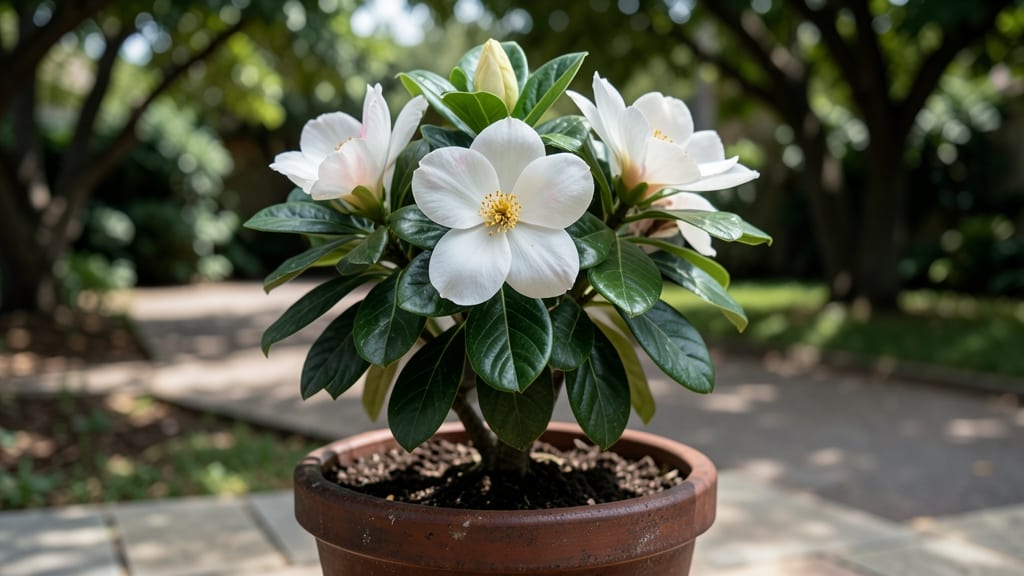
A gardenia plant thrives in sun or shade—but get it wrong, and your fragrant blooms 🌸 will vanish faster than you can say "pruning shears."
Struggling to keep your gardenia blooming? The battle between sun and shade might be the secret weapon—or the silent killer—of your fragrant gardenia’s success.
Too much direct sun scorches leaves, while too little shade leaves you with leggy stems and weak fragrance. The trick? Mimicking their tropical homeland with morning sun and afternoon shade, whether you’re growing them outdoors in Zone 6a or coaxing blooms indoors.
Below, I’ll break down the exact light balance your gardenia craves, how to spot when it’s struggling, and the 3 common mistakes that turn lush shrubs into sad, non-blooming sticks.
 Best Window Placement
Ideal sunlight conditions for gardenia plants to bloom abundantly
If you’ve ever struggled to get your gardenia plant to bloom abundantly, the answer likely lies in its sunlight exposure.
These tropical beauties thrive in conditions that mimic their natural humid, shaded forest floors, but they still need just the right amount of light to produce those fragrant, creamy-white flowers. Too much sun can scorch their leaves, while too little shade weakens their blooms.
Let’s uncover the perfect sunlight balance for your gardenia’s success.
Gardenia plants originate from tropical regions where they bask in dappled sunlight—think of the light filtering through a canopy of trees. This means they crave bright, indirect light with protection from the harsh afternoon rays.
In my own garden, I’ve found that positioning gardenias in a spot where they receive morning sun and afternoon shade yields the most vigorous growth and abundant blooms. This setup not only prevents leaf burn but also maintains the rich fragrance that makes gardenias so beloved.
Here’s the key insight: gardenias are not full-sun plants, despite their tropical origins. Their delicate leaves can’t handle prolonged exposure to intense afternoon sunlight, which is why many gardeners unintentionally stifle their blooms by placing them in too much direct sun.
The goal is to replicate their natural environment—bright but filtered light—to keep them thriving without stress. Let’s break down the ideal conditions in detail.
| Light Condition | Daily Sun Exposure | Bloom Intensity | Fragrance Strength | Best For |
|---|---|---|---|---|
| Morning Sun + Afternoon Shade | 4-6 hours | High | Strong | Balanced growth |
| Partial Shade (Dappled Light) | 2-4 hours | Moderate | Medium | Humid climates |
| Full Shade | <2 hours | Low | Weak | Indoor/low-light areas |
The first row in the table highlights the optimal sunlight condition for gardenias: morning sun paired with afternoon shade. This setup provides the 4-6 hours of light they need daily while protecting them from the harsh afternoon sun that can cause leaf burn.
In my experience, gardenias placed in this light condition produce the most abundant blooms and strongest fragrance. If you’re growing gardenias in a hot, dry climate, this is the ideal scenario.
For those in humid or tropical climates, the second row—partial shade with dappled light—is often the better choice. Here, gardenias receive only 2-4 hours of filtered sunlight, which prevents overheating while still allowing enough light for moderate blooming.
I’ve noticed that gardenias in these conditions tend to have darker, glossier leaves and fewer but more fragrant flowers. This setup is perfect for areas with high humidity, where stagnant air can stress plants exposed to too much direct sun.
If you’re cultivating gardenias indoors or in a low-light environment, the third row—full shade with less than 2 hours of light—might seem like the only option. However, this condition typically results in sparse blooms and weak fragrance.
While gardenias can survive in full shade, they won’t thrive or produce the show-stopping flowers you’re likely hoping for. To compensate, I recommend supplementing with a grow light for 6-8 hours a day during the growing season. This mimics their natural light cycle and encourages better blooming.
One common mistake I see is assuming that gardenias, being tropical plants, need full sun exposure. In reality, their delicate leaves are sensitive to UV rays, especially during the peak afternoon hours.
To mimic their natural habitat, think of placing your gardenia where it would receive light similar to standing under a tropical tree canopy. This could mean positioning it near an east-facing window or using a sheer curtain to diffuse harsh sunlight.
For outdoor gardenias, a lattice screen or trellis can provide the perfect balance of shade and light.
Another pro tip: if you’re growing gardenias in pots or containers, rotate them quarter-turns every few days. This ensures even light exposure on all sides, preventing the plant from leaning toward the light source.
I’ve found that this simple step can make a huge difference in the symmetry and health of your gardenia’s growth. Additionally, if you notice your gardenia’s leaves turning yellow or crispy, it’s a clear sign of too much direct sun, and you’ll need to adjust its placement immediately.
Finally, remember that gardenias are seasonal bloomers, with peak flowering typically occurring in late spring to early summer. To encourage consistent blooming
How to adjust sunlight for gardenia plants in different climates
Gardenia plants thrive when their sunlight exposure matches their natural tropical habitat, but climate differences can make this tricky. In hot, dry regions, harsh afternoon sun can scorch leaves, while humid tropical climates require gentle, filtered light to prevent fungal issues.
Even temperate zones need seasonal adjustments to keep your gardenia blooming beautifully year-round.
Your gardenia’s light needs aren’t one-size-fits-all. Whether you’re growing outdoors in USDA Zone 8 or nurturing a potted plant indoors, understanding how to adjust sunlight exposure is key to avoiding common problems like leaf burn, poor blooming, or stunted growth.
Let’s break down the best strategies for each climate type and season.
🌱 Gardenia Sunlight Adjustments by Climate
- 🔥 Hot/Dry Climates: Provide morning sun only (3-4 hours) and afternoon shade using sheer curtains or lattice screens to prevent leaf scorch.
- 🌴 Humid/Tropical Climates: Use dappled shade (2-4 hours of filtered light) and elevate pots to improve airflow, reducing fungal risks.
- 🌧️ Temperate Climates: Offer 4-6 hours of sun in summer but reduce to 2-3 hours in winter to mimic natural light cycles.
- 🏠 Indoor Gardenias: Place near east-facing windows for gentle light or use grow lights for 6-8 hours/day to prevent leggy growth.
- 🌿 Seasonal Shifts: Rotate pots weekly to ensure even light exposure and move plants indoors before first frost (October 30 in Zone 6a).
For hot climates, I’ve found that sheer curtains or whitewashed lattice screens work wonders to diffuse intense sunlight while still allowing enough light for photosynthesis.
If your gardenia starts showing brown leaf edges or wilting, it’s a clear sign it’s getting too much direct sun—move it to a shadier spot immediately.
In humid areas, the goal is to balance moisture and airflow. Elevating pots on café-style stands or terracotta saucers helps prevent waterlogging while keeping leaves dry. If you notice yellowing leaves or mold spots, increase airflow with a small fan or trim overcrowded foliage to improve circulation.
Winter care is often overlooked, but reducing light exposure during shorter days is crucial. If your gardenia isn’t blooming as expected in winter, try moving it closer to a south-facing window or supplementing with a full-spectrum grow light for 6-8 hours daily.
This mimics the longer daylight of summer and encourages bud formation for spring blooms.
Indoor gardenias can be finicky about light direction. I’ve had the best luck placing mine near east-facing windows, where morning light is gentle but sufficient. If your plant starts leaning toward one side, it’s stretching toward the light—rotate the pot quarter-turns weekly to keep growth even.
For low-light indoor spaces, a LED grow light on a timer is a game-changer for consistent blooms.
Remember, gardenias are sensitive to sudden changes. If you’re adjusting sunlight exposure, do it gradually over 1-2 weeks to avoid shocking the plant. With the right balance, your gardenia will reward you with lush foliage and intoxicating blooms all season long. 🌸