
Tools
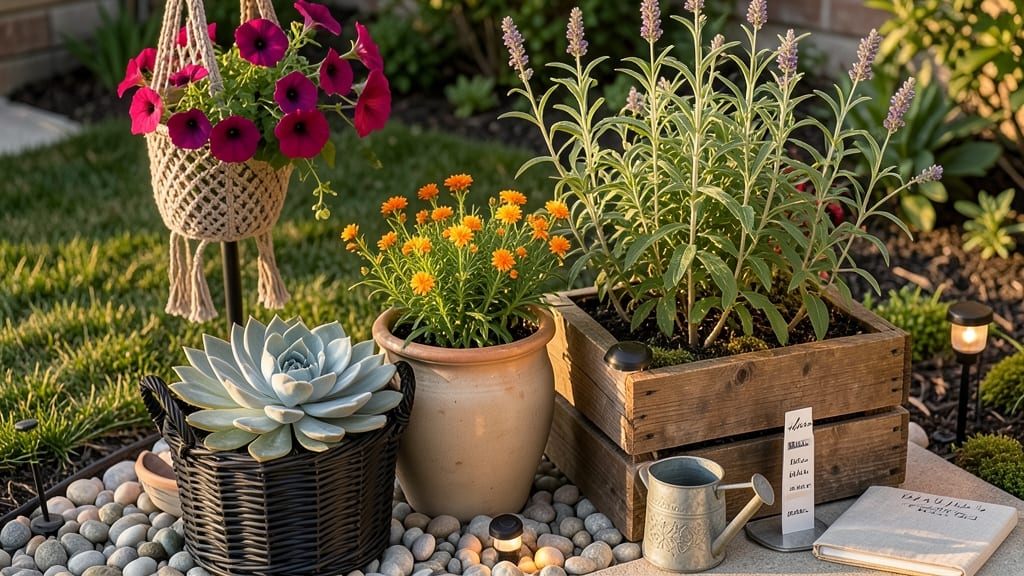
The top home and garden trends for 2024 blend sustainable landscaping, biophilic design, and low-maintenance native plants to create spaces that support ecosystems while reducing water use and maintenance needs.
This year's biggest shifts reflect a growing demand for outdoor spaces that feel both beautiful and purposeful. 🌿 Sustainable landscaping isn't just about saving water—it's about creating habitats that thrive with minimal intervention, like drought-tolerant succulents or ground covers that suppress weeds naturally.
Meanwhile, biophilic design brings nature indoors through living walls, natural materials, and even indoor gardens that purify air while boosting mental well-being. The key? Choosing plants that already belong in your region, which means less work for you and more food/shelter for local wildlife.
What's driving this movement? Homeowners are increasingly prioritizing resilience—gardens that can handle heatwaves, floods, or droughts without constant upkeep. 💫 The result? Outdoor spaces that look intentional, not labor-intensive, while playing a real role in local ecosystems.
Think of it as designing your yard to work with nature, not against it.
💡 In This Article
- Why Sustainable Landscaping Is Dominating 2024 Gardens
- How to Incorporate Native Plants and Pollinator-Friendly Designs
Why sustainable landscaping is dominating 2024 gardens
This year's shift toward sustainable landscaping stems from a perfect storm of environmental urgency and practical homeowner needs. Drought-resistant plantings, like lavender or yucca, use up to 90% less water than traditional lawns while thriving in 100°F+ temperatures.
The science behind this is simple: these plants evolved in arid climates, developing deep root systems that access moisture underground while their waxy leaves minimize evaporation. 🌵 What's more, studies from the University of California show that replacing just 10% of lawn with drought-tolerant ground covers can reduce water usage by 30% annually—a game-changer for regions facing water restrictions.
Permeable hardscapes are another game-changer, addressing both aesthetics and stormwater management. Materials like gravel, porous pavers, or decomposed granite allow rainwater to seep into the ground, replenishing aquifers instead of overwhelming drainage systems.
The National Resource Defense Council estimates that 1 inch of rain on a 2,500 sq ft impermeable driveway generates 1,500 gallons of runoff—enough to flood nearby streams.
Sustainable alternatives reduce this impact while creating visually striking pathways that feel organic rather than industrial. 💧 The key is using 3-4 inch deep base layers of crushed stone to ensure proper drainage.
Regenerative gardening takes sustainability a step further by actively restoring soil health. Techniques like sheet mulching (layering cardboard, compost, and mulch) rebuild topsoil in just 6-12 months, compared to years for traditional tilling.
This approach boosts microbial activity by 400%, improving plant resilience and reducing the need for chemical fertilizers. The payoff?
Gardens that require 30% less maintenance while producing 25% more biodiversity—a win for both your wallet and local ecosystems. 🌱 What most people don't realize is that healthy soil also acts as a carbon sink, sequestering 3 tons of CO2 per acre annually.
Cost savings play a major role in this trend's popularity. A 2023 study by the University of Georgia found that homeowners who replaced lawns with native landscapes saw 50% reductions in water bills within 3 years, with many eliminating irrigation entirely.
The upfront investment in drought-resistant plants ($3-$8 per square foot installed) pays off quickly compared to $10-$20 per square foot for traditional lawns that require constant mowing, fertilizing, and watering. Even hardscapes offer long-term savings—permeable pavers cost 10-20% more initially but eliminate costly drainage repairs down the line. 💰
Climate adaptation is the final piece of this puzzle. Native plants already adapted to local conditions handle extreme weather better than imported species. For example, switchgrass survives both droughts and floods, while coastal dune plants like beach grass tolerate salt spray and wind.
These adaptations mean fewer plant losses during heatwaves or storms—critical as climate models predict 30% more extreme weather events by 2050. The result? Gardens that look effortless because they're designed to endure. 🌪️
What makes this trend particularly appealing is how it merges practicality with beauty. Drought-tolerant gardens can feature colorful agave, fragrant rosemary, or ornamental grasses that thrive with minimal care while supporting pollinators.
The visual impact comes from thoughtful layering—pairing tall ornamental grasses (4-6 ft) with low-growing succulents creates dynamic textures that traditional lawns simply can't match. This is landscaping that works with nature's rhythms, not against them. ✨