
Light Requirements
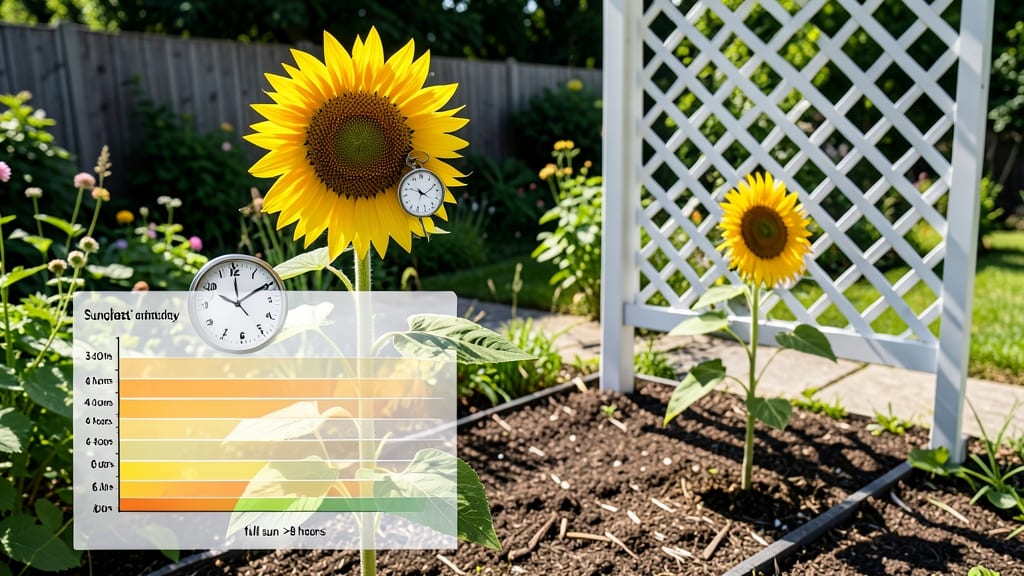
A garden needs 6 to 8 hours of sunlight daily to thrive, but most gardeners either guess wrong or overcomplicate it—leading to wasted time, money, and underwhelming results.
Picture this: you’ve spent hours planting your dream garden, only to watch your 🌱 General Garden plants wilt or fail to produce. The issue? Too much shade or, worse, too much harsh afternoon sun. Sunlight isn’t just about "more is better"—it’s about matching your plants’ exact needs.
From sun-loving tomatoes to shade-tolerant ferns, every plant has a sweet spot. In USDA Zone 6a, where spring planting kicks off in March, knowing the difference between full sun (6+ hours) and partial shade (3-6 hours) can mean the difference between a bumper crop and a struggle.
In this guide, I’ll break down the exact sunlight ranges for common plants, how to measure sunlight in your yard, and pro tips to adjust your garden layout—so you can finally grow what you plant without the guesswork.


Sunlight requirements by plant type: full sun vs partial shade vs low light
Understanding how many hours of sunlight your garden needs is the foundation of successful planting. Most gardeners assume "full sun" means all day, but the truth is more nuanced. Vegetables like tomatoes thrive with 6-8 hours of direct sun, while hostas and ferns wilt under those same conditions.
Even a 1-hour difference can mean the difference between a bountiful harvest and struggling plants.
The key is matching your plant types to their ideal light exposure. Full sun lovers need 6+ hours of direct sunlight daily, partial shade plants prefer 3-6 hours, and low-light varieties survive with just 2-3 hours.
Seasonal shifts also matter—summer sun is more intense than spring light, so adjust your garden layout accordingly.
Here’s a quick reference to help you visualize the differences:
Vegetables often get the spotlight when discussing sunlight, but herbs and flowers have equally specific needs. For example, rosemary and thyme love full sun and can handle 8+ hours daily, while basil and cilantro prefer partial shade to avoid bolting.
Even trees like maples need 6+ hours, but younger saplings benefit from afternoon shade to prevent stress.
Seasonal variations complicate things further. In summer, the sun’s path is higher, meaning 6 hours of morning sun might feel like 8 hours of winter light. Use a sunlight journal for a month to track how shadows shift in your yard.
This helps you adjust plant placement before committing to a layout. For instance, a south-facing window might provide 6 hours of winter sun but only 4 hours in summer.
If you’re working with containers or raised beds, mobility becomes your best tool. Move potted plants like tomatoes or peppers to follow the sun’s arc throughout the day.
For permanent beds, group full sun plants together and use taller shade-loving plants (like hostas) to create natural shade for others. This layered approach maximizes space and sunlight efficiency.
One common mistake is assuming bright indirect light equals full sun. A west-facing window might seem ideal, but the intense afternoon sun can scorch leaves. Test your space by placing a white sheet of paper in different spots—if it stays cool to the touch, it’s safe for shade plants.
If it heats up quickly, it’s full sun territory.
For herbs like mint or parsley, partial shade extends their harvest season. These plants often bolt (flower prematurely) in full sun, turning bitter and inedible. Similarly, shade-loving flowers like impatiens will fade and lose color if exposed to too
How to measure sunlight in your garden and adjust plant placement
Measuring sunlight in your garden is the first step to creating a thriving landscape. Most plants thrive with 6-8 hours of direct sunlight daily, but many gardeners misjudge their yard's actual exposure.
Without accurate measurements, you risk underplanting sun-lovers or overcrowding shade-tolerant species. I’ve learned the hard way—my tomatoes wilted because I assumed their spot got full sun when it was really partial shade.
Start by observing your garden’s sunlight patterns over a week. Morning sun (before 10 AM) behaves differently than afternoon sun (after 2 PM), especially in summer.
Use a simple sunlight journal to track how shadows shift throughout the day. This DIY method costs nothing but saves you from costly plant mistakes.
⚠️ callout-warning ⚠️
6+ hours of sun isn’t universal—it varies by plant type and season. A rosemary (full sun) wilts in 4 hours of shade, while a hosta (partial shade) burns under 8+ hours of direct sun. Test your spots for 2 weeks before planting!
For precise measurements, invest in a sunlight meter or use a DIY solar tracker. Place a white board in your garden and mark shadow lines every hour. Measure the shadows with a tape measure—shadows ≤12 inches indicate full sun, while shadows 12-24 inches suggest partial shade.
This method works year-round but is most accurate during peak growing months.
Once you’ve mapped your garden’s sunlight zones, group plants with similar needs. Place sun-loving veggies like peppers and zucchini in the brightest spots, while shade-tolerant herbs like cilantro or mint thrive in dappled light. Avoid overcrowding—plants need airflow, and blocking sunlight to neighbors can stunt growth.
Adjust your layout seasonally. Summer solstice (longest daylight) may turn a partial shade spot into full sun, while winter solstice can shrink daylight to 3-4 hours.
Use reflective surfaces like white gravel or light-colored mulch to bounce extra light into shady corners. For trees, prune lower branches to let sunlight reach understory plants.
Troubleshoot common mistakes: Yellowing leaves often signal too much sun, while stretched, leggy growth means insufficient light. Rotate plants annually to balance sunlight exposure, and use dwarf varieties in shady areas to maximize space. With these adjustments, your garden will flourish—no more guesswork, just thriving plants! 🌿