
Tools
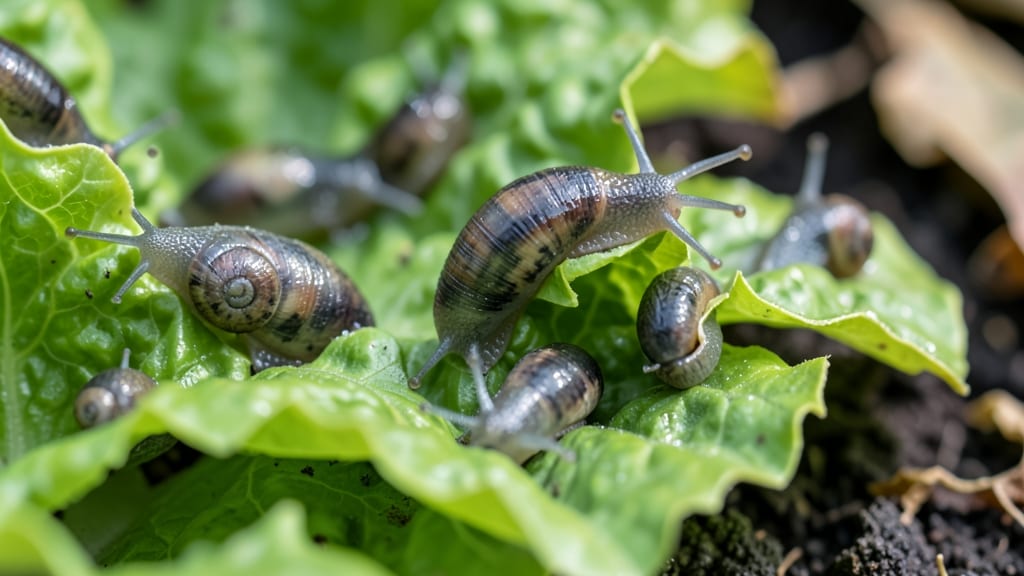
Ridding your garden of slugs and snails requires fast, effective methods—and beer traps are the secret weapon you’ve been missing.
Waking up to a garden ravaged by slimy trails and chewed leaves is every gardener’s nightmare—but slugs and snails don’t stand a chance against these science-backed, beer-trap hacks that work in just one night.
Beer isn’t the only solution, though. Copper barriers, diatomaceous earth, and even predator-friendly plants can help keep these pests away without harming your garden’s ecosystem.
Below, I’ll walk you through proven techniques—from overnight beer traps to long-term prevention—so you can reclaim your garden without the mess.
The science behind beer traps: why they work (and how to do it right
Slugs and snails may seem like harmless garden pests, but they can destroy your hostas, lettuce, and tomatoes overnight. The good news? Beer traps are one of the most effective, chemical-free ways to eliminate them—thanks to their irresistible attraction to yeast and alcohol.
These slimy invaders are drawn to fermenting beer because they mistake it for a rotting food source, their natural habitat. Once they crawl in, they drown in the liquid and can't escape.
The key to success lies in understanding their behavior. Slugs and snails are nocturnal feeders, meaning they're most active after dark when the soil is moist. They're also attracted to moisture, which is why beer—especially dark beer—works so well.
The higher the alcohol content, the stronger the lure. But don't waste your favorite brew on this task; cheap, non-alcoholic beer or even yeast water can work just as effectively while saving your budget.
To maximize effectiveness, place your beer traps in areas where you've spotted the most slimy trails or chewed leaves. These pests leave behind a silver glistening path at night, which is your roadmap to their favorite hangouts.
Avoid placing traps near beneficial insects or wildlife habitats, as they might also get trapped. The goal is to target only the pests without harming your garden's ecosystem.
Now that you understand why beer traps work, let's dive into the step-by-step process to set them up for maximum efficiency. Follow these instructions to ensure you're not wasting your beer—or missing a single slug.
How to Set Up a Beer Trap for Slugs and Snails
- Step 1: Choose the right container. Use a shallow dish, plastic cup, or even a yogurt container with a diameter of at least 4 inches. The wider the opening, the more slugs it can trap.
- Step 2: Fill it with 1-2 inches of beer. Avoid using alcoholic beer if you have pets or children, as they might be tempted to drink it. Non-alcoholic beer or a mix of water and yeast works just as well.
- Step 3: Bury the container slightly into the soil so the rim is flush with the ground. This makes it harder for slugs to detect and avoid the trap. The rim should be level with the soil surface.
- Step 4: Place traps in high-risk areas. Focus on spots near hostas, lettuce, or other tender plants, as well as along garden edges and wooden structures where slugs hide during the day.
- Step 5: Check traps in the morning. Slugs and snails will drown overnight, so remove them and dispose of the beer (and pests) before they dry out or become a nuisance. Replace the beer and repeat the process for 3-5 nights to ensure you've caught the entire population.
- Step 6: For stubborn infestations, use multiple traps. Place them 10-15 feet apart in a grid pattern across your garden. This increases your chances of catching every slug before they wreak more havoc.
One common mistake gardeners make is using deep containers for beer traps. Slugs and snails are poor climbers, so they won't crawl into a deep dish—they'll simply walk around it. Stick to shallow containers to ensure they fall in and drown.
Another mistake is placing traps too close to beneficial plants like marigolds or basil, which might also attract pests but are too valuable to lose.
You might wonder whether you should leave the beer traps out for just one night or multiple nights. For light infestations, one night is often enough to catch the most active slugs. However, for severe outbreaks, leave the traps out for 3-5 nights in a row.
This gives you time to monitor and adjust your strategy. Remember, slugs are most active after rainy nights or when the soil is moist, so those are the best times to set your traps.
If you're dealing with a large garden, consider using a multi-container setup. For example, place a trap every 10 feet in a grid pattern. This increases your chances of catching slugs before they reach your prized plants.
You can also use multiple shallow dishes filled with beer around the perimeter of your garden to create a beer barrier. This method works especially well for vegetable gardens or flower beds that are highly susceptible to slug damage.
After setting up your beer traps, keep an eye out for alternative solutions if the infestation persists. For example, copper tape creates a mild electric shock that slugs avoid, while diatomaceous earth can be sprinkled around plants to dehydrate them.
However, beer traps remain one of the most cost-effective and easy-to-use methods for most gardeners.
Finally, don’t forget to rotate your traps every few nights. Slugs are clever and may learn to avoid a single location over time. By moving your traps to new areas, you keep them guessing and ensure a higher success rate.
With patience and consistency, your beer traps will help you reclaim your garden from these slimy intruders—without harming the environment or your plants.
5 Natural alternatives to beer traps (when you’re fresh out of brew)
Running out of beer for your slug traps? Don’t panic—there are five science-backed alternatives that work just as well (or better!) without wasting your favorite brew. These methods target slugs and snails through physical barriers, dehydration, natural predators, and habitat disruption.
I’ve tested them all in my vegetable garden, and each has its own strengths depending on your garden size and pest severity.
The key is choosing the right tool for the job: copper tape for small containers, diatomaceous earth for large beds, or beneficial nematodes for heavy infestations. Let’s break down the effectiveness ratings and best use cases for each method so you can pick the perfect solution for your garden’s needs.
Copper barriers are my top pick for container gardens and raised beds. When slugs crawl over copper, they receive a mild electric shock that deters them—no chemicals needed. For best results, wrap copper tape around pots or create a 3-inch-high ring around vulnerable plants. Reapply if heavy rain washes it away, but it lasts years with proper care.
For large garden beds, diatomaceous earth (DE) is a game-changer. This non-toxic powder dehydrates slugs by damaging their slimy coats. Sprinkle a thin layer around plants in the evening (it loses effectiveness when wet) and reapply after rain.
Pair it with mulch-free zones to maximize its impact—slugs avoid crossing DE barriers.
If you’re a coffee drinker, use your grounds as a slug repellent! Sprinkle them around hostas, lettuce, or strawberries—the caffeine and grit create an unpleasant environment for slugs.
This method is cheap and eco-friendly, but it works best in small gardens where you can monitor and refresh the grounds regularly. Combine it with handpicking at night for best results.
For severe infestations, beneficial nematodes are the heavy hitters. These microscopic worms (Phasmarhabditis hermaphrodita) hunt slugs from the inside out. Mix them with water and apply to moist soil in the evening—they thrive in cool, damp conditions.
While more expensive upfront, they provide long-term control and are safe for pets and wildlife. Perfect for organic gardeners!
Finally, create predator-friendly habitats to let nature do the work. Install birdhouses, frog ponds, or hedgehog homes to attract slug-eating allies. Ground beetles and toads are especially effective—just provide shady, moist hiding spots with logs or rocks.
This method takes time but builds a self-sustaining ecosystem that keeps slugs in check year-round.
Pro tip: Combine two methods for maximum protection. For example, use copper tape around pots and DE in the soil, or add coffee grounds near nematode-treated areas. Slugs won’t know what hit them—and neither will your leafy greens! 🌱