
Shrubs
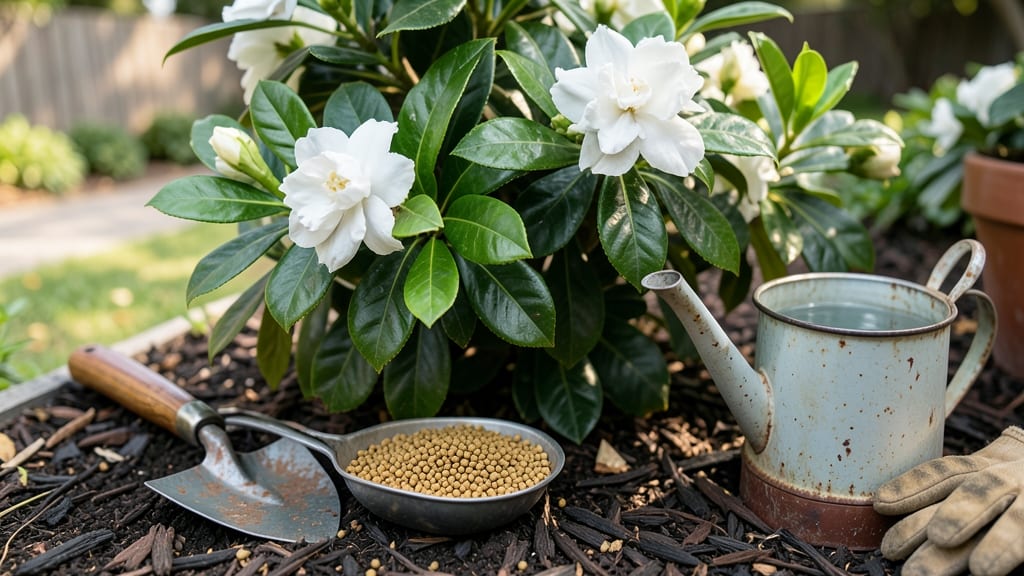
To fertilize gardenias at the right time means feeding them just as their blooms begin to form—typically in early spring and again in mid-summer, when they need that extra nutrient push for vibrant flowers.
Picture this: your gardenias are bursting with buds, but the leaves look pale, or worse, the blooms are sparse.
That’s your plant’s way of saying, "I need food, but not too much—just the right kind at the right time." Too early, and you’ll burn the roots; too late, and you’ll miss the bloom window entirely.
Most gardeners overlook the fact that gardenias 🌸 thrive on a balanced schedule—light feeding in spring to wake up the roots, a mid-season boost for blooms, and nothing in fall or winter when they’re resting.
But here’s the kicker: your climate matters. In warmer zones, you might stretch that summer feeding a little longer, while cooler areas play it safer with shorter windows.
In this guide, I’ll walk you through the exact months to fertilize based on your zone, the best types of fertilizer to use (and which to avoid), and how to spot when you’ve over- or underdone it.
By the end, your gardenias will be the star of the backyard—with blooms so bold they’ll make your neighbors ask, "What’s your secret?"

Best times to fertilize gardenias for maximum blooms
Gardenias reward precise care with fragrant blooms and glossy foliage, but their feeding schedule isn't one-size-fits-all. Unlike many plants, gardenias thrive when fertilized in three distinct windows—each tied to their natural growth cycles.
Skipping these key moments means missed blooms or stressed plants. Let's break down the science-backed timing that transforms so-so blooms into showstopping displays.
The secret lies in understanding gardenias' tropical origins. These shrubs enter three distinct phases: spring awakening, summer flowering, and fall recharge. Each phase demands different nutrients.
For example, early spring feeding focuses on root stimulation with nitrogen-rich fertilizers, while summer applications shift to phosphorus to support bloom development. Even climate plays a role—gardenias in USDA Zone 8+ may need year-round adjustments compared to cooler regions.
| Season | Key Growth Phase | Fertilizer Type | Frequency | Climate Notes |
|---|---|---|---|---|
| Early Spring (March-April) | New Growth Stimulation | Balanced (10-10-10) or Organic | Every 4-6 weeks | Zones 7-9: Start after last frost |
| Late Spring (May) | Bloom Preparation | High-Phosphorus (8-3-9) | Every 3-4 weeks | Zones 10+: Continue monthly |
| Mid-Summer (June-July) | Flowering Support | Light Feed (5-5-5) | Every 6-8 weeks | Reduce in extreme heat |
| Early Fall (September) | Fall Recharge | Slow-Release Organic | Once before dormancy | Zones 6-8: Stop by Oct 1 |
| Winter (Dec-Feb) | Dormant Phase | None | N/A | Zones 9-11: Light feed if growing |
Your first feeding should happen when you spot new spring growth—typically 4-6 weeks after last frost. This is when gardenias crave nitrogen to build strong stems and leaves. I like to use a 10-10-10 fertilizer at this stage, applied in early morning to avoid leaf burn.
Pro tip: Water thoroughly before and after applying fertilizer to help nutrients penetrate the acidic soil they prefer.
Mid-summer is all about bloom support. Here, switch to a high-phosphorus formula like 8-3-9 to encourage flower buds. However, be cautious—over-fertilizing now can cause leaf burn in the intense summer sun.
In my Zone 8 garden, I reduce feeding frequency to every 6-8 weeks during July and August, pairing each application with deep watering to prevent stress.
Fall fertilization is often overlooked, but it's crucial for next year's blooms. About 6-8 weeks before first frost, apply a slow-release organic fertilizer like composted pine needles. This gives roots time to absorb nutrients before dormancy.
In warmer climates (Zones 9-11), you can extend this to early winter, but always avoid fertilizing when temperatures drop below 50°F.
The biggest mistake I see? Gardeners fertilizing during winter dormancy. Gardenias go dormant in cooler months, and feeding then forces new growth that gets frost damage. Even in mild climates, winter is the plant's time to rest.
Another common error is using high-nitrogen fertilizers during bloom time—this promotes foliage over flowers. Always match your fertilizer to the plant's current needs.
Climate zones dramatically affect timing. In USDA Zones 9-11, gardenias may need year-round light feeding every 6-8 weeks, while Zones 6-8 should stop by October. Container gardenias dry out faster, so I fertilize them twice as often during their growing season.
Always check your local frost dates—these are your natural fertilizing boundaries. For example, my Zone 7 garden gets its last feeding by September 15th.
Signs your gardenia needs feeding now include yellowing leaves, sparse blooms, or slow growth. On the flip side, brown leaf tips or crispy edges mean you've overdone it. If you're unsure, do a simple soil test—gardenias thrive in acidic soil (pH 5.0-6.5).
Adjust your fertilizer accordingly; for example, if your soil is too alkaline, use sulfur-based amendments alongside your feedings.
For maximum impact, pair fertilization with proper watering techniques. Always water deeply before applying fertilizer to help nutrients reach the roots. I also recommend mulching with pine bark after feeding to maintain soil acidity and moisture.
This simple step has doubled my gardenia's bloom count over the past three years. Remember, garden
Spring vs. fall fertilization: which season boosts blooms more?
Deciding when to fertilize gardenias can make or break their bloom production. Many gardeners assume spring is the only critical time, but fall fertilization plays a surprisingly vital role—especially in colder climates.
Let’s break down how each season impacts your gardenia’s performance and which strategy will give you those show-stopping white blooms you crave.
Spring fertilization focuses on root stimulation and kickstarting new growth after winter dormancy. This is when your gardenia builds the energy reserves needed for summer flowering. However, fall fertilization—often overlooked—helps strengthen roots before winter, ensuring a healthier, more robust plant come spring.
The key difference? Spring feeds for immediate growth, while fall preps for long-term resilience.
Spring Fertilization
- Boosts new growth after dormancy
- Enhances bloom quantity in summer
- Ideal for tropical climates (year-round growth)
- Over-fertilizing can burn roots in heat
- Less effective in cold climates if applied too late
- Requires consistent moisture to avoid stress
Fall Fertilization
- Strengthens root systems for winter
- Improves bloom intensity next season
- Reduces winter stress in cold zones
- Less immediate growth response
- Risk of over-fertilizing before dormancy
- Not ideal for warm climates (no dormancy)
For USDA Zones 7-9 (warm climates), spring fertilization is critical—apply a balanced 10-10-10 fertilizer in early spring (March-April) as new growth emerges. In Zones 5-6 (cold climates), a light fall feeding with composted pine needles (to lower pH) in September-October can double next year’s blooms by fortifying roots.
Watch for yellowing leaves or stunted growth—these are signs your gardenia needs feeding now. In spring, fertilize when you see 1-2 inches of new growth; in fall, feed 6-8 weeks before frost.
Avoid fertilizing in summer heat (June-August), as it stresses the plant and attracts pests like aphids.
Pro tip: Mix slow-release fertilizer into the soil in spring and organic matter in fall. This dual approach ensures steady nutrient release without risking burn or waste. Your gardenia’s bloom intensity will thank you next season!