
Tools
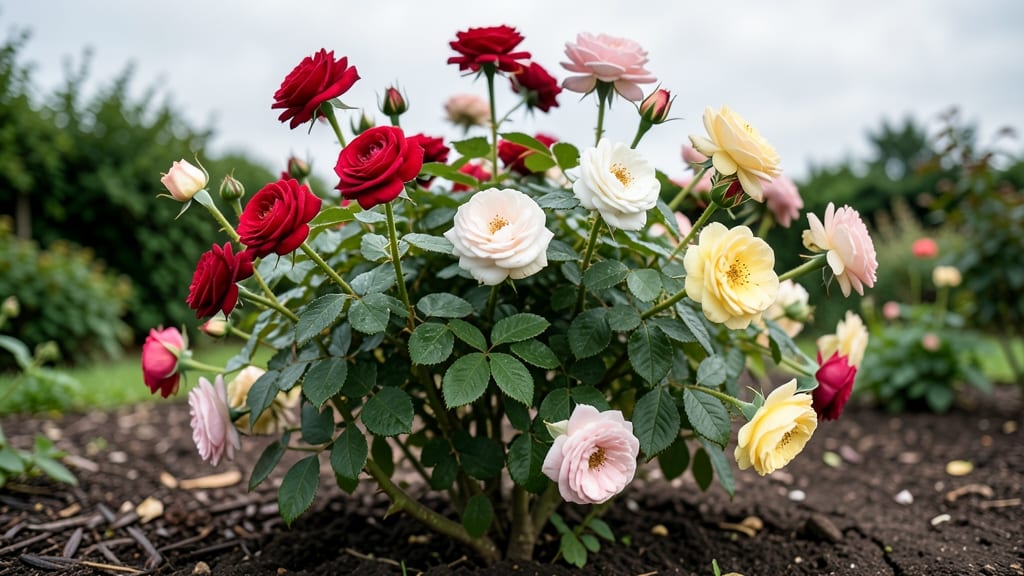
The best rose garden Seattle Washington locations include the Seattle Center Conservatory and Rose Garden, featuring over 1,000 varieties, and Washington Park Arboretum, known for its historic roses and peaceful garden trails. Each garden highlights seasonal blooms—spring hybrid teas, summer climbers, and fall floribundas—while adapting to Seattle's mild, wet climate for optimal growth.
The Seattle Center Conservatory and Rose Garden stands out as a must-visit, especially for its diverse collection of over 1,000 rose varieties, including rare and hybrid types that thrive in Seattle's USDA Zone 8 climate. 🌸 Meanwhile, the Washington Park Arboretum offers a more serene experience with its historic rose beds and expansive walking paths, perfect for photographers and nature lovers.
Both locations require specific care—like regular pruning and soil amendments—to combat Seattle's frequent rain and humidity, ensuring vibrant blooms year-round.
For visitors, timing matters: spring brings out the hybrid teas with their classic elegance, while summer transforms the gardens with climbing roses cascading over trellises. Fall then delivers the bold floribundas, their clusters of blooms adding warmth to the Pacific Northwest's cooler months.
Pro tip: Pack a waterproof jacket and a small notebook—these gardens are as inspiring as they are practical for planning your own rose care at home.
💡 In This Article
- Seattle’s Best Rose Gardens: Locations and Unique Features
- Seasonal Rose Bloom Guide: When and How to Visit Seattle Gardens
Seattle’s best rose gardens: locations and unique features
Seattle’s most celebrated rose gardens each offer distinct experiences shaped by their history and horticultural focus.
The Seattle Center Conservatory and Rose Garden stands out with its 1,000+ varieties, including rare heirlooms and modern hybrids meticulously selected for Seattle’s USDA Zone 8 climate. 🌸 What sets it apart is its year-round indoor conservatory, where tropical roses thrive alongside Pacific Northwest-adapted varieties, creating a microclimate that extends the bloom season.
The garden’s design also incorporates modern irrigation systems that handle Seattle’s 50+ inches of annual rainfall by using raised beds with excellent drainage.
The Washington Park Arboretum, established in 1937, takes a more historic approach with its 10-acre rose garden featuring classic varieties like the 'Souvenir de la Malmaison' (1843) and 'Blanc Double de Coubert' (1853).
This garden’s serene setting along the Lake Washington shoreline creates a romantic atmosphere, while its 1.3-mile loop trail winds past roses arranged by color and bloom time.
The arboretum’s roses are particularly resilient to Seattle’s damp conditions due to their European ancestry, which has adapted well to the region’s mild winters and cool summers.
For those seeking a more rugged experience, Discovery Park’s Rose Garden offers 200 varieties with a focus on hardy, low-maintenance roses that thrive in coastal conditions.
Located in Seattle’s largest park, this garden features wind-resistant climbers that cascade over trellises near Puget Sound, demonstrating how roses can flourge in Seattle’s salty, breezy microclimate.
The park’s location also provides stunning backdrops for photography, with views of the Olympic Mountains and Puget Sound creating dramatic compositions alongside the blooms.
Each garden’s accessibility varies significantly: Seattle Center charges $22/adult for conservatory access (free for rose garden), Washington Park Arboretum is free to enter, while Discovery Park’s roses are part of the $10/day parking fee.
The Seattle Center’s indoor conservatory offers climate-controlled comfort, while Washington Park’s open-air design requires visitors to plan for Seattle’s unpredictable weather—packing layers and waterproof footwear is essential for all locations.
The gardens also cater to different mobility needs, with paved paths at Washington Park and Discovery Park, while Seattle Center’s conservatory features elevators for accessibility.
What most visitors don’t realize is how these gardens’ rose selections reflect Seattle’s unique growing conditions. The high humidity (often exceeding 80% relative humidity) demands roses with disease-resistant varieties, while the acidic soil (pH 5.5-6.5) requires careful amendment with compost and lime.
The gardens’ horticulturists use mycorrhizal fungi in their soil mixes to improve water uptake—a critical adaptation for Seattle’s frequent drizzle. These techniques create vibrant displays while maintaining the roses’ health through the region’s 145 rainy days per year.
For home gardeners, these public gardens serve as living laboratories. The Seattle Center’s demonstration beds show how to layer mulch 6-8 inches deep to protect roots from winter rains, while Washington Park’s historic roses demonstrate traditional pruning techniques that work in Pacific Northwest climates.
Discovery Park’s wind-resistant varieties offer inspiration for coastal gardeners facing similar challenges. Each location provides free plant care guides at their visitor centers, making them invaluable resources for local horticulturists.