
Tools
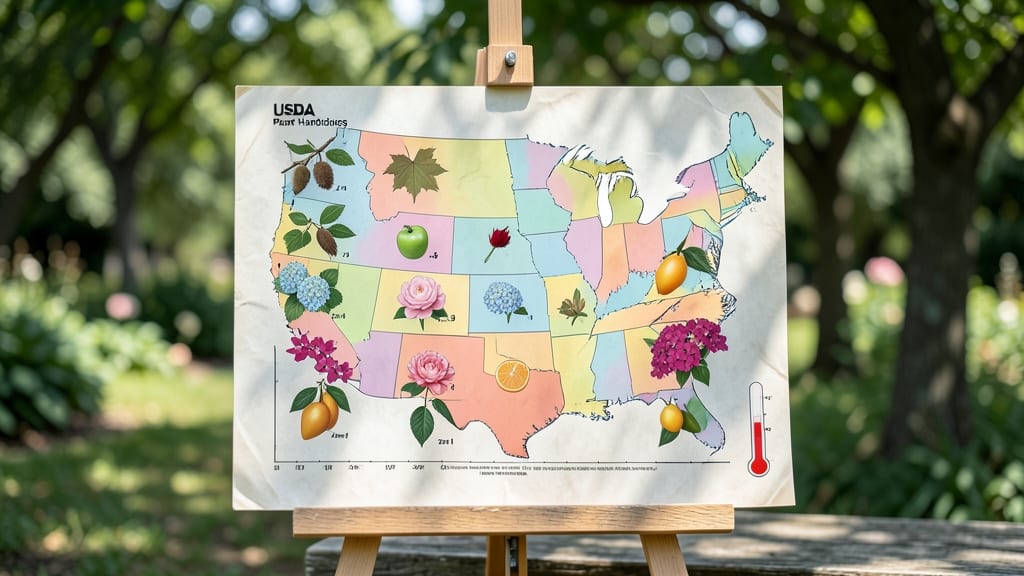
US gardening zones determine the best planting times for vegetables, flowers, and perennials by mapping average frost dates and climate conditions across 13 distinct zones. Zone 1 (coldest) ranges from -60°F to -50°F, while Zone 13 (warmest) stays above 100°F, dictating which crops thrive in each region—cool-season plants like spinach in Zone 3 but tomatoes in Zone 10+
Understanding these zones helps you match plants to your local climate for maximum success. 🌱 For example, Zone 5 gardeners can plant tender basil after the last frost in May, while Zone 9 gardeners might grow it year-round with minimal winter protection.
The USDA zone map also accounts for microclimates—like a sunny south-facing wall raising temperatures by 2-5°F—so even small adjustments can expand your growing options. I always check my local cooperative extension service for hyper-local frost date averages, as they often refine the standard zone boundaries.
Beyond frost dates, chill hours matter for fruit trees—apples need 800-1,000 hours below 45°F, while peaches thrive with 300-500. This explains why apple trees struggle in Zone 10's mild winters.
The key is balancing your zone's extremes: Zone 1's short growing season demands fast-maturing varieties, while Zone 13's heat requires shade-loving plants like okra or sweet potatoes.
💡 In This Article
- How USDA Plant Hardiness Zones Impact Plant Survival
- Zone-Specific Planting Calendars for Vegetables and Flowers
How USDA plant hardiness zones impact plant survival
The USDA Plant Hardiness Zone Map divides the country into 13 zones based on the average annual minimum winter temperatures, measured over a 30-year period. This system helps gardeners predict when frost will occur and which plants can survive winter's coldest nights.
For instance, Zone 1 (subarctic climates) sees temperatures as low as -60°F, while Zone 13 (tropical regions) rarely drops below 100°F.
The key mechanism here is plant hardiness—the ability of a species to withstand cold stress, which is determined by how well their cells can protect themselves from ice crystal formation in their tissues.
Frost-free days are another critical factor. In colder zones like Zone 4, the growing season might span just 120-140 days between the last spring frost and first fall frost, limiting options to fast-maturing crops like bush beans or radishes.
Meanwhile, Zone 10 enjoys 300+ frost-free days, allowing for year-round planting of heat-loving crops like eggplants or okra. 🌡️ Microclimates further complicate this—urban areas can be 2-10°F warmer than rural zones due to concrete and pavement absorbing heat, creating pockets where Zone 7 plants might thrive even in Zone 6 territory.
Chill hours play a massive role for fruit trees and perennials. Apples, for example, require 800-1,000 hours below 45°F to break dormancy and produce fruit, which is why they struggle in Zone 10's mild winters.
Meanwhile, peach trees need only 300-500 chill hours, making them better suited for warmer zones. This explains why a Zone 5 gardener might successfully grow peaches but struggle with apple varieties unless they choose cold-hardy cultivars like 'Honeycrisp' or 'McIntosh'.
Tender annuals and perennials face different challenges. Plants like tomatoes and peppers, native to tropical regions, can't tolerate freezing temperatures at all—even a 32°F night will kill them.
That's why gardeners in Zone 6 must wait until after the last frost (typically late May) to plant these, while Zone 10 gardeners can start seeds indoors in February for an extended harvest.
Cold-hardy perennials like coneflowers or lavender, on the other hand, thrive in Zones 3-9 because their root systems can survive -20°F to -30°F temperatures.
What most gardeners overlook is how soil temperature affects planting times. Even if air temperatures are warm enough, cold soil can delay seed germination. For example, in Zone 5, soil must reach 50°F for warm-season crops like squash to sprout, while cool-season crops like lettuce can germinate in 40°F soil.
This is why early spring plantings often fail—patience is key until the ground warms naturally. 🌱
Advanced gardeners also consider heat tolerance thresholds. Zone 12's year-round warmth means plants must handle 110°F+ temperatures, while Zone 1's brief summers require quick-maturing varieties that can complete their life cycle before the first frost.
Even within a zone, elevation changes can shift boundaries—mountainous areas in Zone 6 might experience colder microclimates than valley floors, creating a 1-3 zone difference over just a few miles.
The takeaway? Your zone isn't just a number—it's a guide to understanding your local climate's extremes. By matching plants to these parameters, you can avoid costly mistakes like planting frost-sensitive crops too early or struggling with fruit trees that don't get enough winter chill.
Always verify with your local cooperative extension service, as their data often includes hyper-local adjustments that the standard map doesn't capture. 💡