
Tools
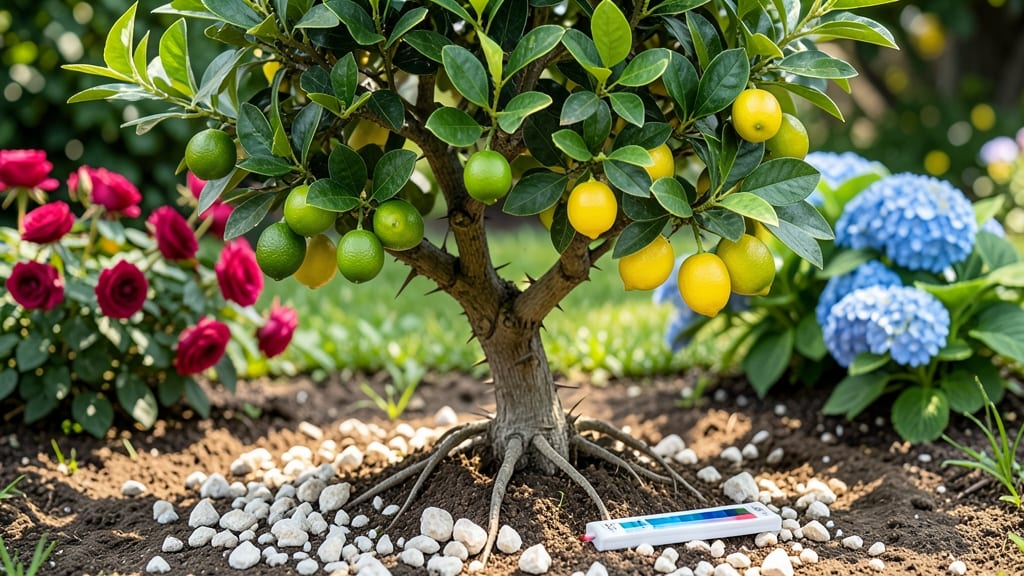
Lime in gardening is used to adjust soil acidity, making nutrients like nitrogen and phosphorus more accessible to acid-loving plants such as blueberries and azaleas. It also disrupts slug and snail habitats, while boosting beneficial microbial activity for overall soil health.
Lime works by raising soil pH, which is especially helpful when your garden beds are too acidic. 🌱 For example, blueberries thrive in soil with a pH between 4.5 and 5.5, while most vegetables prefer a neutral range of 6.0 to 7.0.
The calcium and magnesium in lime not only balance acidity but also strengthen plant cell walls, making them more resistant to disease. Many gardeners apply it in early spring or fall, spreading it evenly and lightly watering afterward to activate its benefits.
Beyond soil chemistry, lime acts as a natural pest deterrent. Slugs and snails avoid areas where lime has been applied because it creates an alkaline environment they can't tolerate. This makes it a great organic alternative to chemical slug baits.
Just remember to keep pets and children away from freshly treated areas until the lime has fully integrated into the soil.
💡 In This Article
- How Lime Adjusts Soil Chemistry for Plant Health
- Practical Uses of Lime in Pest Control and Soil Amendments
How lime adjusts soil chemistry for plant health
When you add lime to acidic soil, it triggers a chemical reaction that neutralizes excess hydrogen ions (H⁺), which are the primary culprits behind low pH levels. The key players here are calcium carbonate (CaCO₃) and magnesium carbonate (MgCO₃), the main compounds in garden lime.
These minerals react with water to form calcium and magnesium ions, which then bind with the acidic components in the soil, effectively raising the pH. This process isn't instant—it typically takes 2-4 weeks for the full effect to manifest, depending on soil moisture and organic matter content.
The magic happens at the microscopic level. Soil microbes, particularly bacteria and fungi, play a crucial role by breaking down the lime particles into simpler forms that plants can absorb.
These microbes thrive in slightly acidic to neutral conditions (pH 6.0-7.0), which is why adding lime creates a more hospitable environment for them.
For example, mycorrhizal fungi—essential for nutrient uptake—become far more active in soil with a balanced pH, directly benefiting plants like roses and tomatoes that rely on these symbiotic relationships. 🌱
Different plants have wildly different pH preferences, and lime helps tailor the soil to their needs.
Acid-loving plants such as blueberries, azaleas, and rhododendrons require soil with a pH between 4.5 and 5.5, while most vegetables and herbs prefer a neutral to slightly alkaline range of 6.0 to 7.0.
The calcium in lime doesn't just adjust pH—it also strengthens plant cell walls, making them more resilient against diseases like powdery mildew. This is why gardeners often see healthier foliage and stronger stems after applying lime, even in challenging growing conditions.
One common misconception is that lime only benefits acidic soils. In reality, over-applying lime to already neutral or alkaline soils can create problems by locking out essential nutrients like iron and manganese, which plants need in trace amounts.
That's why soil testing is critical—most garden centers offer affordable pH test kits that measure the current level so you can apply the right amount.
For instance, if your soil tests at 5.0 pH and you're growing blueberries, you might only need 5-10 pounds of lime per 100 square feet to reach the ideal range.
The texture of lime also matters. Pelletized lime dissolves more slowly and evenly than powdered lime, making it easier to distribute without clumping. When applied correctly, you'll notice a subtle change in soil structure—it becomes slightly coarser and less compacted, which improves drainage and root penetration.
This physical transformation, combined with the chemical adjustments, creates an environment where plants can access nutrients more efficiently, leading to lusher growth and higher yields.
For visual learners, imagine this: Before adding lime, your soil might look dark and dense, almost like wet clay. After treatment, it takes on a lighter, crumbly texture—similar to the consistency of a well-aged compost.
This change isn't just about appearance; it directly impacts how roots explore the soil and how water moves through it. The result? Plants that look healthier from the ground up, with vibrant leaves and robust stems that can support more flowers or fruit. 🌿