
Tools
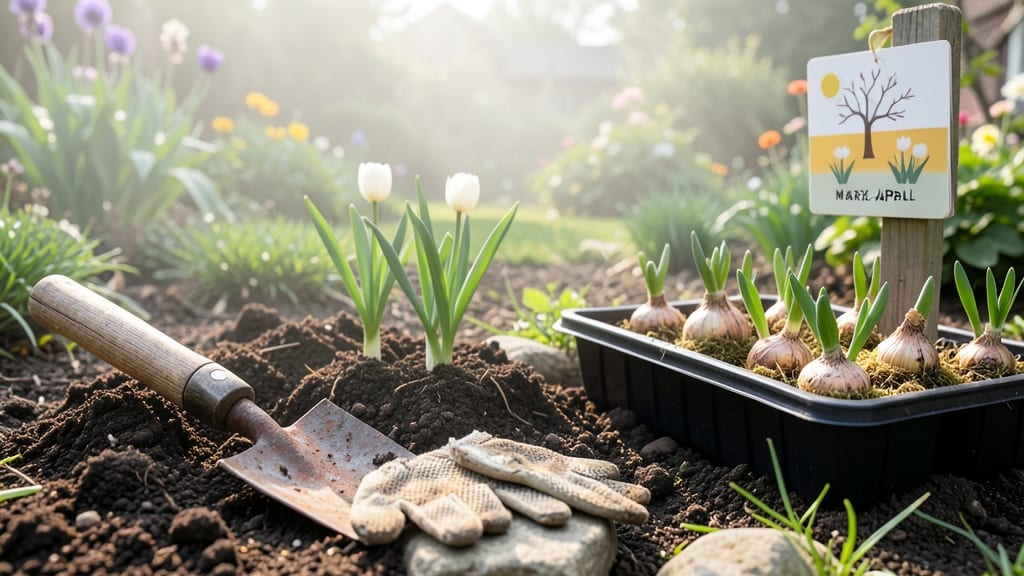
The best time to start a garden depends on your hardiness zone and crop type: in cooler climates (Zones 3-5), begin indoors in late winter (February-March) for spring planting by April-May. Warmer zones (Zones 6-10) can start outdoors in late winter (February) to early spring (March), while tropical regions may plant year-round with seasonal adjustments for monsoons or dry spells. Always check frost dates for your area.
The timing of your garden's launch isn't just about the calendar—it's about aligning with your local climate patterns. 🌱 In colder regions, starting seeds indoors gives delicate plants a head start before the last frost, while warmer areas can often plant directly into soil as soon as temperatures stabilize.
For example, tomatoes thrive when soil reaches 60°F, which typically happens in April for Zone 6 but may be as late as June in Zone 3. Even in tropical zones, monsoon timing can dictate when to plant moisture-loving crops like okra or sweet potatoes.
Pro tip: Use a planting calendar tailored to your zone to track not just start dates but also harvest windows. Many gardeners also adjust their schedules based on moon phases for transplanting, which can improve root establishment.
The key is balancing urgency—starting too early risks weak seedlings, while waiting too long may shorten your growing season.
💡 In This Article
- How Hardiness Zones and Frost Dates Determine Planting Timing
- Best Crop-Specific Planting Schedules by Climate Type
How hardiness zones and frost dates determine planting timing
The USDA hardiness zone map divides North America into 13 zones based on average minimum winter temperatures, with each zone representing a 10°F range.
For example, Zone 3 (down to -40°F) has a much shorter growing season than Zone 10 (above 30°F), which explains why gardeners in Alaska must start seeds indoors by February 1st while those in Florida can plant outdoors year-round.
The zone system helps predict when soil warms enough for germination—most seeds need soil temperatures between 50-75°F, a threshold coastal areas often hit weeks before inland locations due to ocean moderation.
Frost dates are the real game-changer: the last spring frost signals when tender crops like basil or cucumbers can safely go outdoors, while the first fall frost determines when to harvest or protect plants.
In Zone 5, the average last frost falls on April 15th, giving gardeners just 180 days of growing season—enough for quick-maturing crops like radishes (25 days) but too short for tomatoes (80+ days) unless started indoors.
Coastal areas like San Francisco (Zone 10) may never experience frost, but inland valleys in the same zone can drop below 32°F in winter, creating microclimates where frost protection becomes essential.
Soil temperature matters more than air temperature for germination. A seedling tray left outside in 50°F air but sitting on 80°F soil will sprout faster than one in 70°F air with 55°F soil.
This is why gardeners in Zone 7 often use black plastic mulch to raise soil temps by 10-15°F—critical for warm-season crops like peppers that need 70°F minimum.
The USDA also publishes plant heat zone maps that show cumulative heat units, helping determine if your area can support heat-loving crops like okra or sweet potatoes.
Microclimates create exceptions within zones. A south-facing wall can add 10°F to soil temps, while a low-lying area may frost 2 weeks later than the official date.
This is why experienced gardeners in Zone 6 might plant frost-sensitive crops like eggplants on May 15th near a sunny wall, even if the average last frost is April 30th.
Similarly, high-altitude areas in Zone 5 (like Denver) may have later frost dates than coastal Zone 5 areas (like Portland), despite being in the same zone.
Technology now helps refine these timings. Apps like Gardenate or Farmers' Almanac provide hyper-local frost predictions, while soil thermometers (costing $15-$25) give real-time data.
For example, in Zone 4, gardeners might start tomatoes indoors on March 1st but delay outdoor planting until soil reaches 60°F—often June 1st—to avoid transplant shock. This precision reduces waste from failed seedlings and maximizes harvests.
What most people overlook is how frost timing shifts yearly. A late spring frost in 2023 might delay Zone 6 planting until May 10th, while an early frost in 2022 could force harvests by September 1st.
Tracking your local patterns for 3+ years reveals your true "planting window," often 1-2 weeks earlier or later than the USDA average. 🌱