
Planting
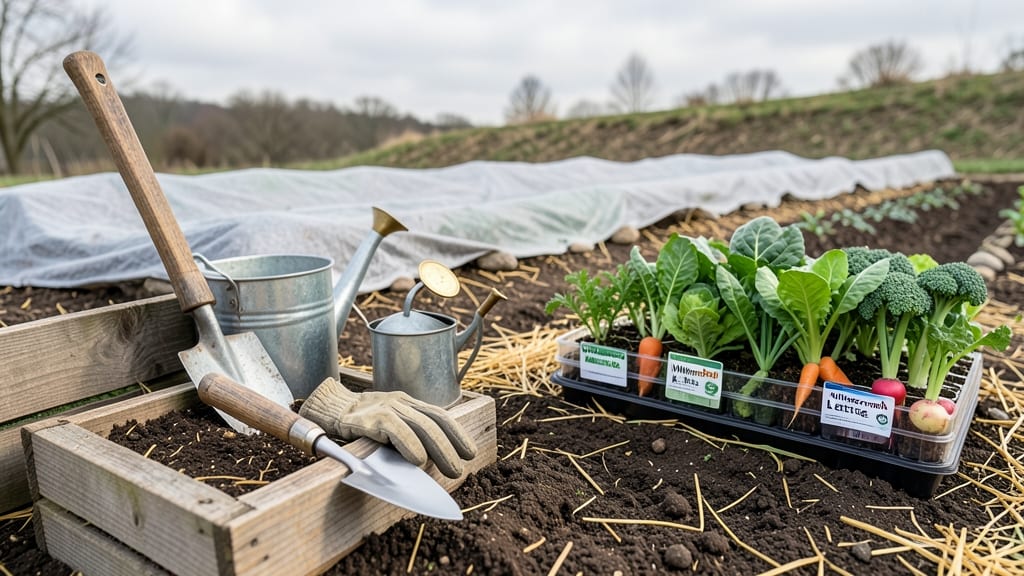
Planting a fall garden in Texas requires timing it just right—between the brutal summer heat and the first frost, which can arrive as early as November in some regions.
Texas gardeners know the summer heat can be brutal—but with the right timing and heat-tolerant crops, you can still grow a thriving 🥕 garden before the first frost. Planting too early risks wilting, while waiting too long cuts your harvest short.
Here’s the key: start sowing seeds or transplanting heat-resistant varieties like Malabar spinach or Swiss chard in late July for northern Texas (zones 8a-9a) or as late as early September in the Gulf Coast (zones 9b-10b).
In this guide, I’ll break down the exact planting windows by region, the 7 best heat-tolerant crops for Texas fall gardens, and how to avoid common mistakes that ruin harvests—so you can enjoy fresh veggies straight from your garden all the way until December.
Texas fall planting timeline: best months by region and heat zones
Timing is everything when planting a fall garden in Texas. Unlike northern states, Texas doesn’t have a single "last frost" date—our USDA zones 8a-10b create dramatic differences between North, Central, and South Texas. Plant too early, and your cool-season crops will bolt in summer heat.
Wait too long, and you’ll miss the harvest window before frost. Let’s break it down by region so you can plant with confidence.
For North Texas (Zones 8a-8b), where first frosts can arrive as early as November 15, aim to plant cool-season crops 60-90 days before frost.
That means starting in late July to early August for fast growers like radishes or bush beans, and mid-August to early September for slower varieties like broccoli or cabbage.
In Central Texas (Zones 8b-9a), with frosts typically hitting December 1, you’ve got a slightly longer window—plant late July through September for most crops.
South Texas (Zones 9b-10a) is the lucky zone, where light frosts are rare and you can often grow cool-season crops year-round. Still, for peak harvests, plant August through October. Here, heat-tolerant varieties like Malabar spinach or Swiss chard thrive even when others wilt. Always check your local first frost date—it varies by 10-14 days even within regions.
| Region | USDA Zone | First Frost Window | Best Planting Months | Ideal Crops |
|---|---|---|---|---|
| North Texas | 8a-8b | Nov 15 - Dec 1 | Late July - Early Sept | Kale, Broccoli, Spinach, Carrots |
| Central Texas | 8b-9a | Dec 1 - Dec 15 | Late July - Sept | Lettuce, Radishes, Peas, Collards |
| South Texas | 9b-10a | Dec 15 - Jan 10 | Aug - Oct | Malabar Spinach, Swiss Chard, Black-Eyed Peas |
For transplanting seedlings, like broccoli or cabbage, wait until soil temperatures drop below 85°F. Use a soil thermometer to monitor—ideal temps are 60-75°F for most cool-season crops.
In North Texas, this often means waiting until mid-August, while South Texas gardeners can start as early as late July with shade cloth protection.
Don’t forget succession planting! Sow fast-growing crops like radishes or lettuce every 2-3 weeks from August through October to ensure a continuous harvest. In Central and South Texas, you can even extend your season into November with row covers or cold frames to protect tender greens.
If you’re planting heat-tolerant varieties like Malabar spinach or Swiss chard, you can push the envelope and start as early as late June in South Texas.
These drought-resistant crops handle 90°F+ temps better than traditional fall veggies, giving you a head start. Just be prepared to provide extra shade during peak afternoon heat.
Pro tip: Use a planting calendar tailored to your exact location. Tools like the Texas A&M AgriLife Extension website or apps like Gardenate plug in your ZIP code for hyper-local advice. Even a 10-mile difference can shift your planting window by a week!
Finally, soil prep is key. Texas soils can be heavy clay or sandy loam, both of which benefit from compost and organic matter to retain moisture during the transition from summer to fall.
Aim to amend your soil 4-6 weeks before planting to give microbes time to break it down—this ensures your cool-season crops get the nutrients they need to thrive.
With the right timing and a little regional know-how, you’ll be feasting on homegrown fall greens and root vegetables long after your neighbors’ gardens have gone dormant. Happy planting! 🌱
Top 7 heat-tolerant fall vegetables for Texas gardens (that survive summer heat)
Texas summers can push 95°F+ temperatures, making it tough to grow traditional fall crops. But these 7 heat-tolerant varieties thrive even when most gardens wilt. I’ve grown them in Zone 9a for years—here’s what works best for extending your harvest into October and beyond.
These fast-growing, resilient vegetables handle Texas heat while still producing sweet, crisp harvests. The key? Soil prep with compost, morning watering, and shade cloth during peak afternoon sun. Let’s dive into the top picks and how to maximize their potential.
- 🌿 Malabar Spinach – Thrives in 100°F+ heat; harvest leaves as needed. Plant July-August for fall harvests.
- 🌶 Black-Eyed Peas (Cowpeas) – Drought-resistant; fix nitrogen in soil. Sow June-July for October harvests.
- 🥬 Swiss Chard (Bright Lights) – Heat-tolerant stems; harvest outer leaves. Transplant August-September.
- 🍅 Cherry Tomatoes (Solar Fire) – Heat-resistant variety; stake for support. Plant July-August for September-October fruit.
- 🥔 Sweet Potatoes (Beauregard) – Love heat; harvest before first frost. Plant June-July for fall harvests.
- 🌽 Okra (Clemson Spineless) – Drought-tolerant; produces pods in heat. Sow May-July for continuous harvest.
- 🥕 Carrots (Danvers Half Long) – Tolerate heat better than most; harvest small for sweetness. Sow August-September.
For soil prep, amend beds with 2-3 inches of compost and a balanced fertilizer (5-10-10) before planting. These crops prefer well-draining soil—Texas clay? Mix in sand or perlite to improve drainage. Mulch with straw or wood chips to retain moisture and keep roots cool.
Watering is critical in Texas heat. Deep water 2-3 times per week in the early morning to avoid fungal issues. Use drip irrigation or soaker hoses to deliver water directly to roots. Avoid overhead sprinklers—they waste water and can spread disease.
Companion planting boosts yields and deters pests. Plant basil near tomatoes to improve flavor and repel whiteflies. Marigolds alongside okra deter beetles, while carrots and onions grow well together—onions repel carrot flies. Rotate crops yearly to prevent soil-borne diseases from building up.
Harvest at the right time for peak flavor. Leafy greens like Malabar spinach can be harvested continuously, while tomatoes and okra should be picked when fully colored but still firm. Sweet potatoes are ready when vines yellow—dig carefully to avoid bruising.
With these heat-tolerant varieties and smart care, you’ll enjoy a bountiful fall harvest even in Texas’s brutal summers. Start seeds now—your garden will thank you! 🌱