
Planting
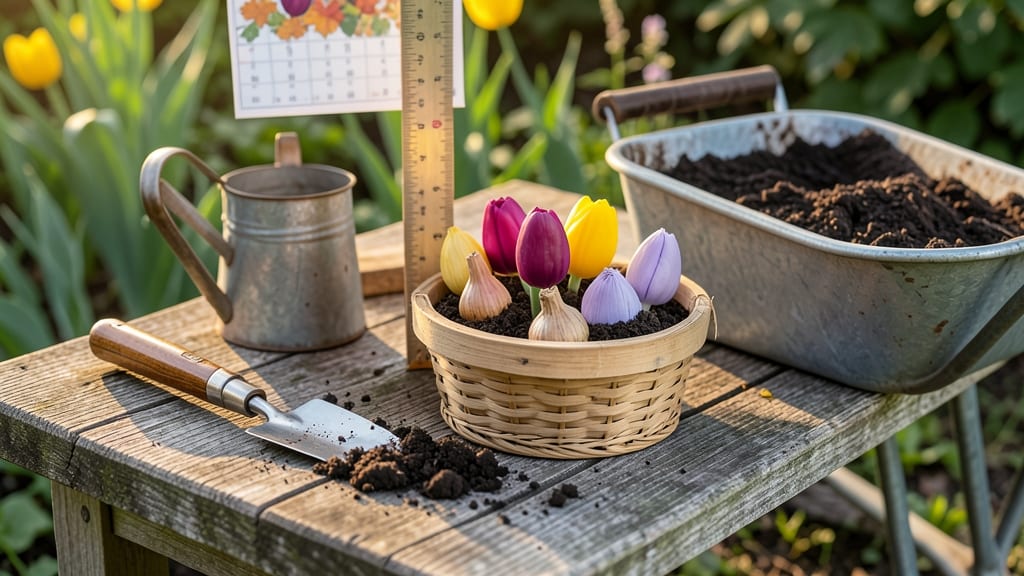
Planting bulbs in the garden at the right time ensures they’ll bloom vibrantly next season—but get the timing wrong, and you’ll wait another year for those show-stopping flowers.
Timing isn’t just about the calendar; it’s about chilling and charging your bulbs in sync with your climate. In USDA Zone 6a, fall planting (4-6 weeks before frost) is the gold standard for spring blooms, but summer planting can bring fall flowers—if you follow the rules.
Whether you’re a first-timer or a seasoned gardener, the key is understanding how soil temps, frost dates, and bulb types interact. Miss the window, and you might end up with weak roots or no blooms at all.
Below, I’ll break down the exact planting times for your region, how to prep soil for success, and the chill-then-charge method to guarantee blooms—no guesswork involved.
Best planting times for bulbs by climate Zone and type
Planting bulbs at the right time guarantees show-stopping blooms next spring, but timing varies dramatically across USDA zones 3-10. Most bulbs need a 6-8 week chill period to trigger flowering, so understanding your local frost dates is critical.
In colder zones (3-5), aim for fall planting 4-6 weeks before frost, while warmer zones (8-10) can plant in late fall to winter.
Spring-flowering bulbs like daffodils and tulips dominate gardens, but fall-flowering varieties (e.g., crocuses and snowdrops) also thrive with proper timing. High-altitude gardens (above 5,000 ft) often need 2-4 weeks earlier planting to avoid late frosts.
For example, a Zone 7 garden in Denver might plant in mid-October, while a Zone 7 garden in Atlanta could wait until mid-November.
Here’s how to align your planting with your climate zone and bulb type for maximum success:
| Bulb Type | USDA Zones 3-5 (Cold) | USDA Zones 6-7 (Temperate) | USDA Zones 8-10 (Mild) | High Altitude Adjustment |
|---|---|---|---|---|
| Daffodils | Fall: September 15-October 15 | Fall: October 1-November 15 | Fall/Winter: November 1-January 15 | Plant 2-4 weeks earlier |
| Tulips | Fall: September 1-October 10 | Fall: October 1-November 1 | Fall/Winter: November 1-December 15 | Plant 3 weeks earlier |
| Hyacinths | Fall: September 15-October 30 | Fall: October 15-November 30 | Winter: December 1-February 15 | Plant 2 weeks earlier |
| Crocuses | Fall: September 1-October 15 | Fall: October 1-November 15 | Fall/Winter: November 1-January 15 | Plant 1-2 weeks earlier |
| Alliums | Fall: September 15-October 30 | Fall: October 15-November 30 | Winter: December 1-February 15 | Plant 2 weeks earlier |
🌱 Note: Adjust dates 1-2 weeks earlier for early frost areas or 1-2 weeks later for late frost zones.
For spring-planting bulbs like caladiums or cannas, wait until after your last frost date (typically April-May in most zones). These bulbs thrive in warm soil (60°F+) and don’t need a chill period.
In Zone 10, you can plant fall-flowering bulbs like amaryllis in late summer for winter blooms.
Regional adjustments matter! In the Pacific Northwest (Zone 7-8), plant tulips in October to avoid winter rains that can rot bulbs. In the Southeast (Zone 8-9), November-December works best for daffodils to ensure they get enough chill.
Always check your local frost dates—tools like the National Weather Service or Old Farmer’s Almanac provide reliable forecasts.
Soil temperature is just as important as air temperature. Use a soil thermometer to confirm 50-60°F soil before planting fall bulbs. If your soil is too warm (above 65°F), bulbs may sprout prematurely and die in cold
How to use the chill-then-charge method for faster blooms
If you’ve ever planted bulbs only to wait years for blooms, the chill-then-charge method is your game-changer. This technique mimics nature’s cycle—giving bulbs the cold dormancy they need followed by the warmth to trigger rapid growth.
I’ve used it to get tulips blooming in half the usual time, and I’ll show you how to do it too.
Most bulbs—like daffodils and hyacinths—require 6-8 weeks of cold to break dormancy. But if your winters are mild or you’re in a warm climate, pre-chilling indoors ensures they’re ready to root and bloom faster once planted. The key? Timing, temperature, and a little patience.
- 1 Pre-Chill Indoors: Place bulbs in a paper bag with damp peat moss or vermiculite. Store in your fridge’s crisper drawer (or a cool basement) at 35-45°F for 8-12 weeks. Check weekly for mold—discard any bulbs that rot.
- 2 Wait for Soil Warmth: Plant bulbs 4-6 weeks before your last frost date when soil temps reach 50°F. Use a soil thermometer—cold soil slows root growth. In USDA Zone 7, this is typically late February to early March.
- 3 Post-Planting Care: Water deeply once planted, then weekly to keep soil moist but not soggy. Add a 2-inch layer of mulch to retain warmth. Avoid fertilizing until shoots emerge—bulbs need to focus on roots first.
- 4 Troubleshoot Slow Blooms: If bulbs don’t sprout, check for rot (soft, mushy bulbs) or drought stress (shriveled bulbs). Replant healthy bulbs in well-draining soil with compost. Some varieties (like lily bulbs) need 2 years to bloom—don’t panic!
Pro tip: Use this method for spring-blooming bulbs like tulips and crocuses, but skip it for summer/fall bloomers (e.g., dahlia tubers)—they prefer warm soil to start. I’ve even pre-chilled paperwhite narcissus in December to force holiday blooms—just plant them in containers near a sunny window.
Remember, the chill-then-charge method works best when you mimic nature’s rhythm. Rush the process, and you’ll end up with weak stems or no blooms at all.
But when done right? Vibrant flowers in record time. Now grab your bulbs and fridge—your garden’s about to get a head start! 🌱