Planting
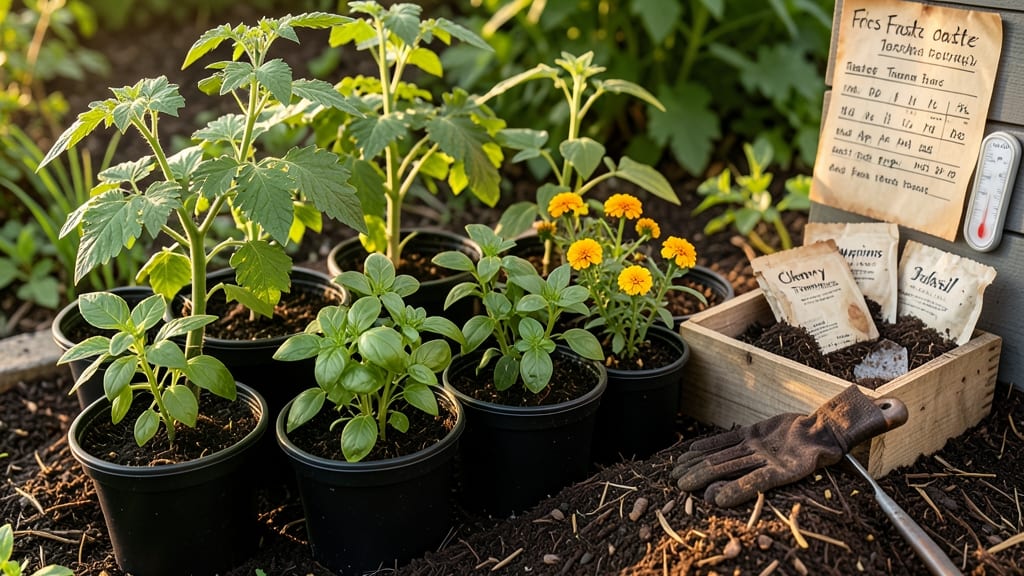
To plant a garden in Tennessee, timing is everything—get it right, and you’ll harvest bountiful veggies and flowers; get it wrong, and you’ll face frost damage or missed seasons.
Tennessee’s climate shifts dramatically from East to West, with last frost dates ranging from mid-April in the mountains to early March in the Memphis area.
That means your cool-season greens (like lettuce) need to go in by February, while tomatoes and peppers wait until after May 1 in most zones.
This guide breaks down the perfect planting windows for your county, including how to adjust for microclimates—whether you’re in humid East Tennessee or the drier West. No more guessing when to start seeds or transplant seedlings.
You’ll learn the exact deadlines for popular crops, soil prep tips for Tennessee’s clay-heavy soil, and how to stretch your growing season with row covers. Let’s get those 🌱 seeds in the ground at the right time!
Tennessee last frost dates by region: when to plant cool vs warm-season crops
Tennessee’s climate varies dramatically from west to east, making frost dates your garden’s most critical deadline. In the western region (Memphis, Nashville), average last frost dates arrive as early as February 15–March 15, while the eastern mountains (Knoxville, Chattanooga) often wait until April 15–May 1.
These dates separate cool-season crops (like lettuce and peas) from warm-season plants (tomatoes and peppers) that need consistent warmth.
Your planting window isn’t just about frost—it’s about soil temperature. Warm-season crops like tomatoes and peppers need soil at 60°F+, which typically happens 2–4 weeks after the last frost in most of Tennessee.
Meanwhile, cool-season greens (spinach, kale) can handle light frosts and often thrive when planted 4–6 weeks before the last frost date.
Here’s how to use frost dates to plan your garden by region, with county-specific examples to guide your timing:
For example, in Memphis, you can plant lettuce and peas as early as February 1 for a spring harvest, but tomatoes shouldn’t go in until March 20 when soil warms.
Meanwhile, in Knoxville, wait until April 1 for cool-season crops and May 1 for warm-season plants like peppers.
Pro tip: Use row covers to extend your cool-season window by 2–4 weeks in frost-prone areas. I’ve successfully grown spinach in March in Nashville by covering seedlings with lightweight fabric. Just remove covers when daytime temps hit 70°F to prevent overheating.
Warm-season crops like tomatoes and peppers are especially sensitive to late frosts. In East Tennessee, where frosts can linger until May 1, I recommend starting these plants indoors in March and transplanting after the last frost.
For peppers, which need 80°F+ soil, wait until late April or May in cooler regions.
Don’t forget about fall planting! Tennessee’s first frost typically arrives between October 15–November 15, depending on elevation. You can still grow cool-season crops like kale and radishes by planting them 8–10 weeks before your average first frost date.
In West Tennessee, that means sowing seeds by September 1.
Local USDA Hardiness Zones (6a–7b) also influence timing. Higher elevations in East Tennessee (Zone 6a) have shorter growing seasons, while West Tennessee’s Zone 7b allows for longer warm-season harvests. Always check your specific county’s frost dates using the Tennessee State Extension Office or Almanac for precise guidance.
One mistake I see often? Planting warm-season crops too early because the air feels warm. Soil temperature is the true indicator. Use a soil thermometer to confirm 60°F+ before planting tomatoes or peppers. If your soil is cold, wait—root growth stalls below 55°F, leading to stunted plants.
For container gardening, adjust your timeline by 1–2 weeks earlier than in-ground planting. Pots warm up faster in spring, so
How to adjust planting for Tennessee’s microclimates and frost risks
Tennessee’s varied microclimates—from humid East Tennessee to drier West Tennessee—can make planting tricky. Late frosts in April and early frosts in October often catch gardeners off guard, but with the right strategies, you can extend your growing season and protect delicate plants.
Whether you’re dealing with urban heat islands or mountain valleys, understanding these risks is key to a thriving garden.
One of my favorite tools for beating frost is a row cover or cold frame. These simple setups can add 4-6 weeks to your planting window, letting you sow spinach, kale, or peas weeks earlier than usual.
For example, in Memphis (Zone 7b), I’ve successfully planted broccoli in early March under a row cover, while in Knoxville (Zone 6b), I wait until mid-April for the same crop. Frost-tolerant varieties like Swiss chard or collard greens are also my go-tos for early spring planting.
For late frosts, I recommend planting warm-season crops like peppers and eggplants after May 15, even if the air feels warm. These plants are sensitive to cold, and a single 28°F night can kill them.
In West Tennessee, where frosts are less common, I push the envelope and plant tomatoes as early as April 1, but I always keep a frost cloth handy just in case.
Another trick I’ve learned is to use black plastic mulch to warm the soil faster. Lay it down 2-3 weeks before planting warm-season crops like cucumbers or squash.
The dark surface absorbs heat, raising soil temps by 5-10°F—perfect for heat-loving plants. Just remember to remove it in fall to prevent soil compaction.
If you’re in a mountain microclimate, like the Great Smoky Mountains, expect earlier frosts and shorter growing seasons. Here, I focus on fast-maturing varieties like ‘Early Girl’ tomatoes (55 days to harvest) and ‘Bush Early Blue’ potatoes (60 days).
For urban gardens, like those in Nashville, the heat island effect can actually help you plant earlier, but you’ll still need to monitor soil moisture closely.
Finally, don’t forget to harvest before frost. Even frost-tolerant greens like spinach and kale will bolt or develop bitter flavors after a hard freeze. If frost is coming, pick what you can and use row covers to protect the rest for a few more weeks.
With these adjustments, you’ll maximize your harvests and enjoy fresh produce well into fall—and even winter! 🌱