Planting
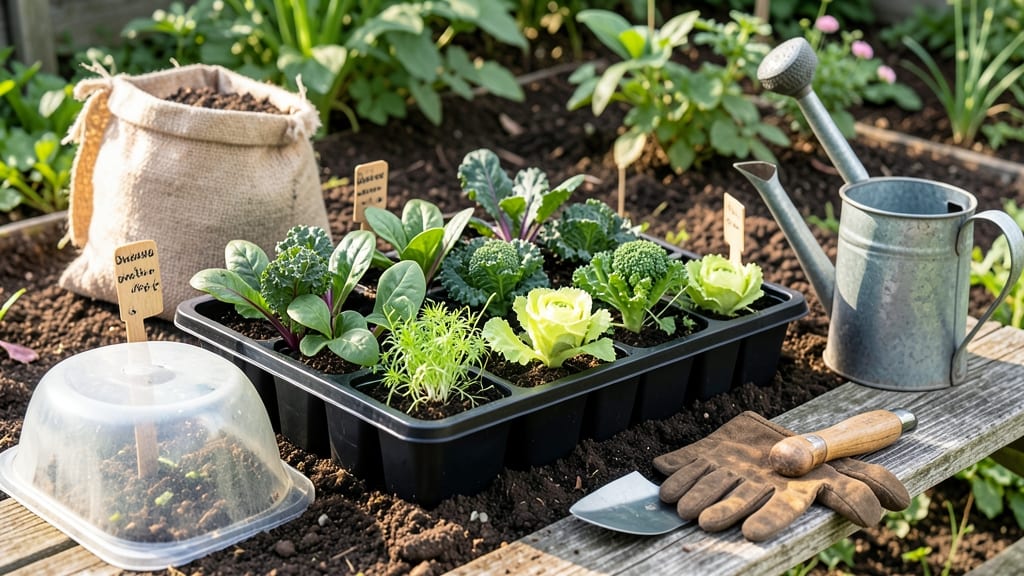
Planting a garden in Upstate NY requires timing your seeds and transplants to the last frost date—typically mid-April to early May—so you avoid freezing tender young plants.
Upstate NY’s chilly springs and unpredictable frosts can turn gardening into a high-stakes guessing game—plant too early, and your seedlings freeze; too late, and you miss the growing season. But with precise timing, you can maximize yields and avoid common mistakes that plague Zone 5 gardeners.
Whether you’re sowing cool-season crops like peas or waiting for soil to warm before planting tomatoes, knowing the right window makes all the difference. Below, I’ll break down the exact dates for spring and fall planting, plus how to adjust for microclimates like the Adirondacks or Finger Lakes.
You’ll also discover how to use row covers, succession planting, and soil temperature tricks to stretch your growing season—so you can enjoy a bountiful harvest from June through October.
Upstate NY planting calendar: exact dates for vegetables, flowers, and herbs by hardiness Zone 5
Upstate NY’s Zone 5 climate demands precision when planting—last frost dates can vary by 10-14 days between the Finger Lakes and Adirondacks. For example, Syracuse typically sees its last frost around May 10-15, while Lake Placid might wait until May 25.
These differences mean your tomato seedlings could freeze in one valley while thriving just 50 miles away.
To simplify, I’ve broken down planting windows into three critical phases: early spring (cool-season crops), late spring (warm-season starts), and fall (second plantings). Each phase accounts for soil temperature, microclimates, and Upstate NY’s short growing season (about 150-180 frost-free days).
Here’s your month-by-month guide, including exact dates for direct sowing vs. transplanting, plus Zone 5-specific adjustments for high-elevation areas (like the Catskills) and lake-effect moderated zones (like the Finger Lakes).
| Plant Type | Variety Examples | Direct Sow Date (Upstate NY) | Transplant Date | Notes for Zone 5 |
|---|---|---|---|---|
| Cool-Season Veggies | Lettuce, Spinach, Peas, Radishes, Kale | March 20 - April 15 (cover with row fabric) | April 1 - May 1 (hardy seedlings) | Start 6-8 weeks before last frost. Use black plastic mulch in Adirondacks to warm soil. |
| Warm-Season Veggies | Tomatoes, Peppers, Eggplant, Basil | May 15 - June 1 (after soil hits 60°F) | May 1 - May 15 (start indoors April 1) | Wait until nighttime temps stay above 50°F. Finger Lakes can plant 1 week earlier. |
| Herbs | Cilantro, Dill, Parsley, Chives | April 1 - May 10 (direct sow) | April 15 - May 1 (potted starts) | Cilantro bolts in heat—sow late summer for fall harvest. |
| Perennial Flowers | Coneflowers, Black-Eyed Susans, Lavender | April 15 - May 10 (after frost) | April 1 - May 1 (bare-root) | Plant after last frost but before June 1 for root establishment. |
| Fall Crops | Kale, Carrots, Beets, Spinach | August 1 - August 15 (60 days before first frost) | July 15 - August 1 (transplants) | Use row covers in September to extend harvest into October-November. |
For warm-season crops like tomatoes and peppers, timing is everything. In Upstate NY, soil temperature is the real deadline—these plants won’t thrive until the ground reaches 60°F.
Use a soil thermometer to confirm readiness; Finger Lakes regions often hit this mark by late April, while higher elevations may wait until mid-May.
My go-to trick for extending the season? Succession planting every 2 weeks from April to July. This ensures a steady harvest of lettuce, radishes, and bush beans without overwhelming your garden at once.
For example, I plant radishes every 10 days from April 15 to June 1—this gives me three harvests before the heat sets in.
Don’t overlook perennial herbs like lavender and thyme, which can be planted in early spring or fall. These hardy plants establish roots quickly in Zone 5 and reward you with years of low-maintenance harvests.
I always add compost to the planting hole and mulch heavily to protect young roots from late spring frosts.
If you’re in the Adirondacks, aim to finish planting warm-season crops by June 1—any later, and your tomatoes or peppers may not mature before frost. Meanwhile, Finger Lakes gardeners can push the envelope slightly, thanks to lake-effect warming.
For example, Syracuse often sees tomatoes ripening by late August, while Lake Placid might only get partial ripening.
For
How to adjust planting times for Upstate NY’s unpredictable weather: frost dates, soil temperature, and microclimate tips
Upstate NY’s Zone 5 climate means your planting window can feel like a moving target. While the average last frost date hovers around May 15th, late frosts can strike well into June—especially in the Adirondacks or higher elevations.
The key isn’t just memorizing dates but understanding soil temperature, microclimates, and how to extend your season with simple tools. I’ve learned the hard way that planting tomatoes before the soil hits 60°F (use a soil thermometer!) guarantees stunted growth or worse.
Start by checking your local frost forecast from sources like the National Weather Service or Cornell Cooperative Extension. These provide 10-day outlooks that are far more reliable than guessing. For example, the Finger Lakes region often warms up faster than the Mohawk Valley, so adjust your timeline accordingly.
I always plant cool-season crops like spinach and peas 4-6 weeks before the last frost, while waiting until Memorial Day weekend for heat-lovers like peppers and eggplants.
⚠️ callout-warning
Planting tomatoes, peppers, or cucumbers before soil reaches 60°F (use a soil thermometer) stalls growth and invites disease. Even if air temps feel warm, cold soil delays root development. Test soil with your finger—if it’s cooler than your wrist, wait 1-2 weeks.
Pro tip: Use a black plastic mulch 1-2 weeks before planting to warm the soil faster. I’ve seen 10°F temperature jumps in just a few days!
Extend your season with row covers or cold frames—these can push your last frost date back by 2-4 weeks. I cover my broccoli and kale with lightweight fabric until late May, and my fall lettuce stays protected until early October.
For succession planting, sow radishes every 2 weeks from April to July; their 30-day maturity ensures a steady harvest. Even in Upstate NY’s short season, this guarantees fresh greens all summer.
Microclimates are your secret weapon. A south-facing slope warms up 2-3 days faster than a north-facing bed, while a low-lying area holds frost longer. I plant early potatoes on the slope and late-season beans near the house, where the foundation radiates heat.
Always scout your yard: 3 feet of elevation change can mean 5-7 days difference in frost risk. Use this to your advantage by grouping heat-sensitive crops in the warmest spots.
Verify soil readiness with the finger test: Push your finger 2 inches deep. If the soil feels cool and damp (like your wrist), it’s not ready for warm-season crops. For cool-season plants, slightly cooler soil is fine—as long as it’s not frozen.
I also watch for earthworms; if they’re active, your soil’s ready. If not, add compost and wait another week. Patience here saves your entire planting season.
Don’t forget fall planting! Upstate NY’s first frost typically hits October 15th, but kale, carrots, and garlic thrive with a light frost. Plant these by September 1st for a winter harvest.
I’ve even grown spinach under row covers until Christmas—just be prepared to protect it with straw mulch during hard freezes. With these adjustments, you’ll turn Upstate NY’s short season into a gardener’s advantage.